

Key Takeaways
- Seven common signals: bloating, irregular stools, skin breakouts, brain fog, fatigue, food sensitivities, and sugar cravings
- The gut clears waste through daily bile flow, fiber transit, and microbial balance — disruptions show up downstream
- A practical gut reset focuses on fiber (25–35g/day), hydration, limited alcohol, and fermented foods
- Symptoms that persist more than 2–4 weeks after a dietary reset warrant evaluation by a healthcare provider
- Most gut issues respond to consistent daily habits rather than aggressive short-term cleanses
Related reading: Choosing a Gut Cleanse, Detox vs Cleanse, Natural Detox Foods, Best Supplements for Liver Health.
1. Persistent Bloating and Gas
Occasional bloating is normal. Persistent bloating that occurs regardless of what you eat, accompanies most meals, or makes your stomach visibly distended by evening is a sign of gut dysbiosis — an imbalance between beneficial and harmful bacteria in your microbiome. This imbalance allows certain bacteria to ferment food in ways they shouldn't, producing excess gas as a byproduct.
Blocking the issue with antacids doesn't address the root cause. What helps: reducing fermentable foods (FODMAPs) temporarily, adding a high-quality probiotic, increasing fiber from whole foods gradually, and giving your digestive system periods of rest (12–14 hours between dinner and breakfast).
2. Irregular Bowel Movements
Daily bowel movements are a key sign that your elimination pathways are functioning. Fewer than 3 per week (constipation) means toxins and waste are sitting in the colon longer than they should — where they can be reabsorbed into circulation. Loose stools or urgency suggests the gut wall is inflamed or that transit time is too fast for adequate nutrient absorption.
Hydration is often the first fix. Adults should aim for at least 2–3 liters of water daily. Beyond that, adequate dietary fiber (25–35g/day), regular movement, and reducing processed food typically resolve mild irregularity within 1–2 weeks.
3. Frequent Fatigue Despite Adequate Sleep
If you're sleeping 7–9 hours and still waking exhausted, your gut may be the culprit. The gut-brain axis is a bidirectional communication highway — a dysbiotic gut produces inflammatory compounds that cross the blood-brain barrier and disrupt neurotransmitter production, leading to fatigue, cognitive fog, and mood disruption.
Additionally, poor gut integrity (often called "leaky gut") allows bacterial fragments called lipopolysaccharides (LPS) to enter the bloodstream, triggering a low-grade systemic inflammatory response that drains energy over time. Healing the gut lining with zinc carnosine, L-glutamine, and collagen peptides while reducing inflammatory foods is the evidence-backed approach.
4. Skin Issues and Breakouts
The gut-skin axis is well-established in research. A disrupted microbiome leads to systemic inflammation that manifests on the skin as acne, eczema, rosacea, or general dullness. The gut also produces and modulates hormones that affect sebum production — so hormonal-looking skin issues often have a gut root.
In one study, 54% of acne patients had significantly altered gut microbiota compared to controls. Probiotic supplementation and dietary interventions (reducing sugar, processed food, and dairy while increasing fiber and fermented foods) consistently improve skin clarity in studies with gut-focused interventions.
In one study, 54% of acne patients had significantly altered gut microbiota compared to controls.
5. Food Sensitivities That Keep Growing
Developing new food sensitivities or finding that more and more foods cause discomfort is a hallmark of increased intestinal permeability. When the tight junctions between gut cells become compromised, partially digested food particles can pass into the bloodstream, where the immune system mounts a response — creating sensitivity patterns that weren't there before.
The fix isn't more elimination — it's repairing the gut lining. An elimination period to reduce the inflammatory load, combined with gut-healing nutrients (collagen, zinc, L-glutamine, and probiotics), can often reverse sensitivities over 8–12 weeks.
6. Brain Fog and Mood Swings
Approximately 90–95% of your body's serotonin is produced in the gut. When the gut microbiome is disrupted, serotonin production drops and neuroinflammation rises — creating classic brain fog, low mood, irritability, and difficulty concentrating. This is the gut-brain axis in action, and it's a major area of emerging research.
A 2019 study found that certain probiotic strains (specifically Lactobacillus helveticus and Bifidobacterium longum) reduced anxiety and depression scores in healthy adults over 30 days. Addressing the gut can have surprisingly fast effects on mental clarity and mood — often within 2–4 weeks of targeted intervention.
7. Strong Cravings for Sugar and Processed Foods
Here's a counterintuitive sign: if you crave sugar and processed foods constantly and find them hard to resist, your gut microbiome may be driving the craving. Certain bacterial strains that thrive on sugar actively send signals through the vagus nerve and via neurotransmitter precursors that increase cravings for their preferred fuel.
Breaking this cycle requires crowding out the opportunistic bacteria with prebiotic fiber (which feeds beneficial bacteria) and probiotic strains that shift the microbiome balance. Most people notice a significant reduction in sugar cravings within 2–3 weeks of a microbiome-focused dietary reset.
NutraBotanics Detox & Cleanse Support
Milk thistle, NAC, artichoke leaf, and dandelion root — the research-backed ingredients your liver actually needs.
Shop Detox Support →Frequently Asked Questions
How do I know if my gut is unhealthy?
How long does it take to reset your gut?
What foods are worst for gut health?
Can supplements help fix a leaky gut?
Is a detox cleanse good for gut health?
Should I take probiotics for gut health?

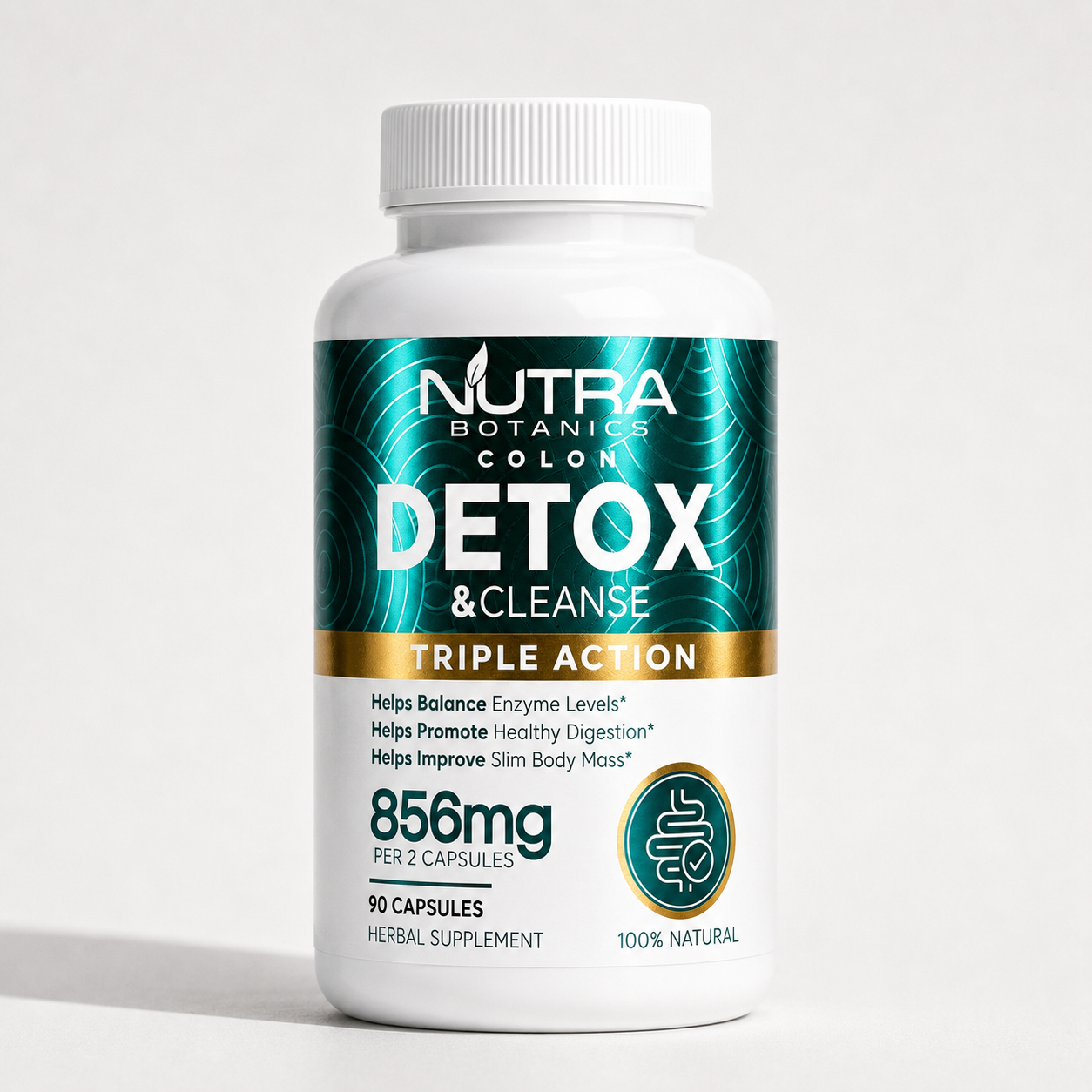
Colon Detox & Cleanse
14-ingredient herbal blend · fiber + probiotics
- 856mg proprietary blend with traditional botanicals
- Fiber and probiotic support for digestive balance
- Gentle daily use · no harsh laxatives
- GMP & NSF certified · PhD-supervised testing
See pricingFree shipping over $75
Shop Colon Detox & Cleanse
Explore Detox & Cleanse
Browse the Nutra Botanics detox range
- Colon, herbal, and digestive-support options
- Compare formats, dosing, and ingredient stacks
- Daily-use formulas · no harsh cleanses
- GMP & NSF certified · PhD-supervised testing
Shop the rangeSubscribe & save 20%
Browse Detox