

Get research-backed answers about best time to take bcaas: what research says. This guide addresses the most common questions based on current evidence.
Key Takeaways
- Pre-workout (30 minutes prior) is the most studied timing window for endurance and reduced soreness
- Intra-workout dosing helps sustain performance during sessions longer than 60 minutes
- Fasted-training benefits scale with BCAA intake — most useful when a pre-workout meal isn't practical
- Post-workout BCAAs are redundant if a complete protein meal follows within 60–90 minutes
- 5–10g is the research-supported dose across every timing window
Related reading: BCAA Benefits, BCAA Dosage, BCAA for Women, EAA vs BCAA.
Why Timing Matters (and Where It Doesn't)
Plasma BCAA concentrations rise within 30–60 minutes of ingestion and return to baseline within 3–4 hours. This short window is what makes timing relevant — BCAAs work best when plasma concentrations are elevated during the specific physiological event you are trying to influence. For muscle protein synthesis, that event is training. For central fatigue reduction, it is the back half of a long session. For catabolic protection, it is a caloric deficit or fasted window.
Where timing stops mattering: if your daily protein intake is already 1.6–2.2g per kg bodyweight from complete protein sources, your muscle tissue is already in a well-fed state most of the day. In that context, the marginal benefit of precisely timed BCAAs shrinks. Timing matters most for athletes who train fasted, athletes in a caloric deficit, and athletes doing long-duration sessions. For a fed lifter hitting their daily protein, timing is a refinement — not a requirement.
Pre-Workout Dosing — The Most Studied Window
Pre-workout dosing, typically 30 minutes before training, is the most studied BCAA timing. Shimomura and colleagues (2010, International Journal of Sport Nutrition and Exercise Metabolism) found that 5g of BCAAs taken 30 minutes before eccentric squat training reduced subjective soreness by about 30% and lowered creatine kinase (a marker of muscle damage) over the following 48 hours.
The mechanism: plasma BCAA concentrations peak during the opening 30–60 minutes of training — the window where muscle damage and catabolic stress are accumulating fastest. Having elevated BCAAs in circulation during this window blunts the catabolic signal and lowers damage markers. This is why pre-workout is the most consistent timing across the literature.
A 5–10g dose 30 minutes pre-workout is the practical default for most training scenarios. Drop to 5g for shorter sessions; go to 10g for longer or more demanding work.
Intra-Workout BCAAs for Long Sessions
For sessions longer than 60 minutes, intra-workout dosing becomes more useful. The primary mechanism here is central fatigue reduction. During prolonged exercise, tryptophan crosses the blood-brain barrier and is converted to serotonin — which drives the "I'm done" feeling. BCAAs compete with tryptophan for the same transporter, delaying this serotonin rise and reducing perceived exertion.
Blomstrand and colleagues (2006, American Journal of Clinical Nutrition) demonstrated this effect in trained cyclists, showing that BCAAs sipped during long-duration exercise improved time to exhaustion and lowered rate of perceived exertion. The practical protocol: 5g pre-workout plus 5g mixed into water and sipped through the back half of a 90+ minute session.
For short sessions (under 45 minutes), intra-workout dosing is unnecessary — fatigue accumulation is too small to matter. For mid-length sessions (45–60 minutes), intra is optional. Beyond 60 minutes, the evidence supports adding it.
Post-Workout — Useful or Redundant?
Post-workout BCAAs are largely redundant if a complete protein meal (whey shake, whole food) follows within 60–90 minutes. Wolfe (2017, Journal of the International Society of Sports Nutrition) emphasized that complete protein out-performs isolated BCAAs for post-workout recovery because it supplies all nine essential amino acids needed to rebuild muscle protein. BCAAs alone can initiate MPS but cannot sustain it.
The exception: if you train fasted and a complete protein meal is 2+ hours away, a 10g BCAA dose post-workout can bridge the gap, triggering MPS while you wait for the full meal. In this narrow scenario, post-workout BCAAs earn their place.
For athletes who finish training and immediately have a whey shake or a protein-rich meal, post-workout BCAAs add little and can be skipped.
Fasted Training and Morning Sessions
Fasted training — typically morning sessions done before breakfast — is the context where BCAA timing matters most. Without a pre-training meal, muscle protein breakdown rises during the session to supply amino acids for energy. A 10g BCAA dose 15–30 minutes before fasted training raises plasma concentrations enough to blunt this breakdown during the opening 60–90 minutes.
Jackman and colleagues (2017, Frontiers in Physiology) showed that 5.6g of BCAAs post-exercise raised muscle protein synthesis 22% even without other amino acids — confirming that BCAAs can activate MPS in an otherwise unfed state.
The practical protocol for fasted training: 10g pre-workout (covers the catabolic window during the session) plus a complete protein meal within 60–90 minutes post-session (to sustain the MPS response initiated by the BCAAs).
Rest-Day and Daily Maintenance Dosing
BCAAs do not have a true maintenance dose. Plasma concentrations peak within an hour of ingestion and return to baseline within 3–4 hours, so there is no cumulative saturation to maintain. This is different from creatine, which builds up in muscle tissue over days.
On rest days, BCAAs offer little benefit if daily protein intake is solid. Skipping rest-day doses is the default. The exception is deliberate caloric deficits or cutting phases, where 5–10g of BCAAs between meals on rest days can help blunt muscle protein breakdown during longer inter-meal windows.
The simplest daily protocol: use BCAAs on training days, centered around the session (pre-workout with optional intra-workout for long sessions), and skip them on rest days unless you're in a deliberate deficit. This matches the research-backed timing without adding unnecessary supplementation.
Frequently Asked Questions
Should I take BCAAs before or after workout?
How long before a workout should I take BCAAs?
Can I take BCAAs on an empty stomach?
Is it OK to take BCAAs at night?
How many times a day should I take BCAAs?
Do BCAAs break a fast?
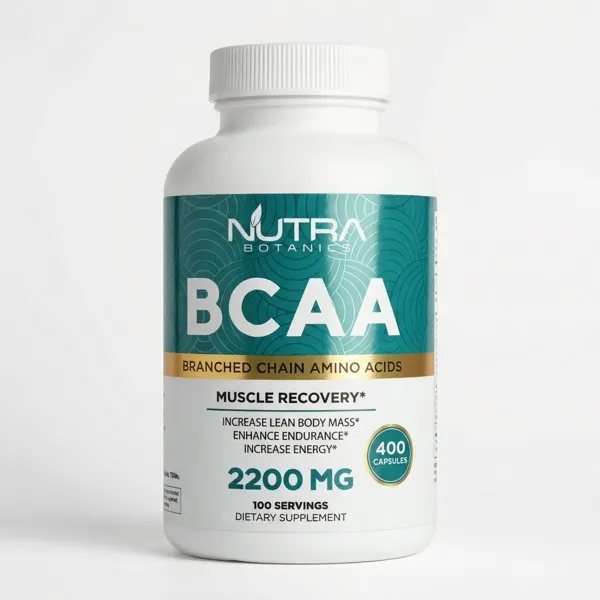
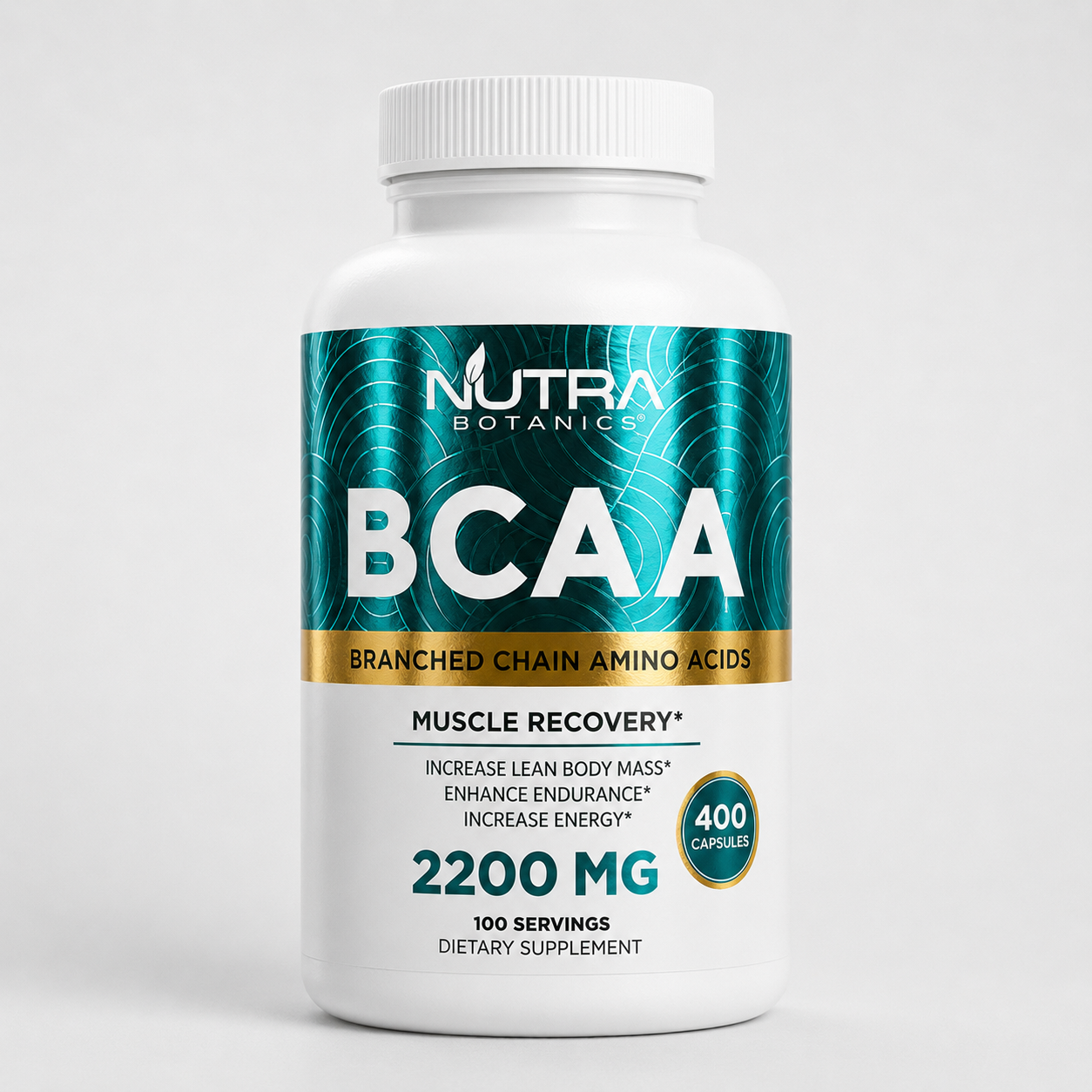
BCAA Plus
2:1:1 ratio · 30 servings
- 5g BCAAs per serving (leucine, isoleucine, valine)
- Clinically studied 2:1:1 ratio for muscle protein synthesis
- Supports endurance, recovery, and lean mass preservation
- GMP & NSF certified · PhD-supervised testing
$29.95Free shipping over $75
Shop BCAA Plus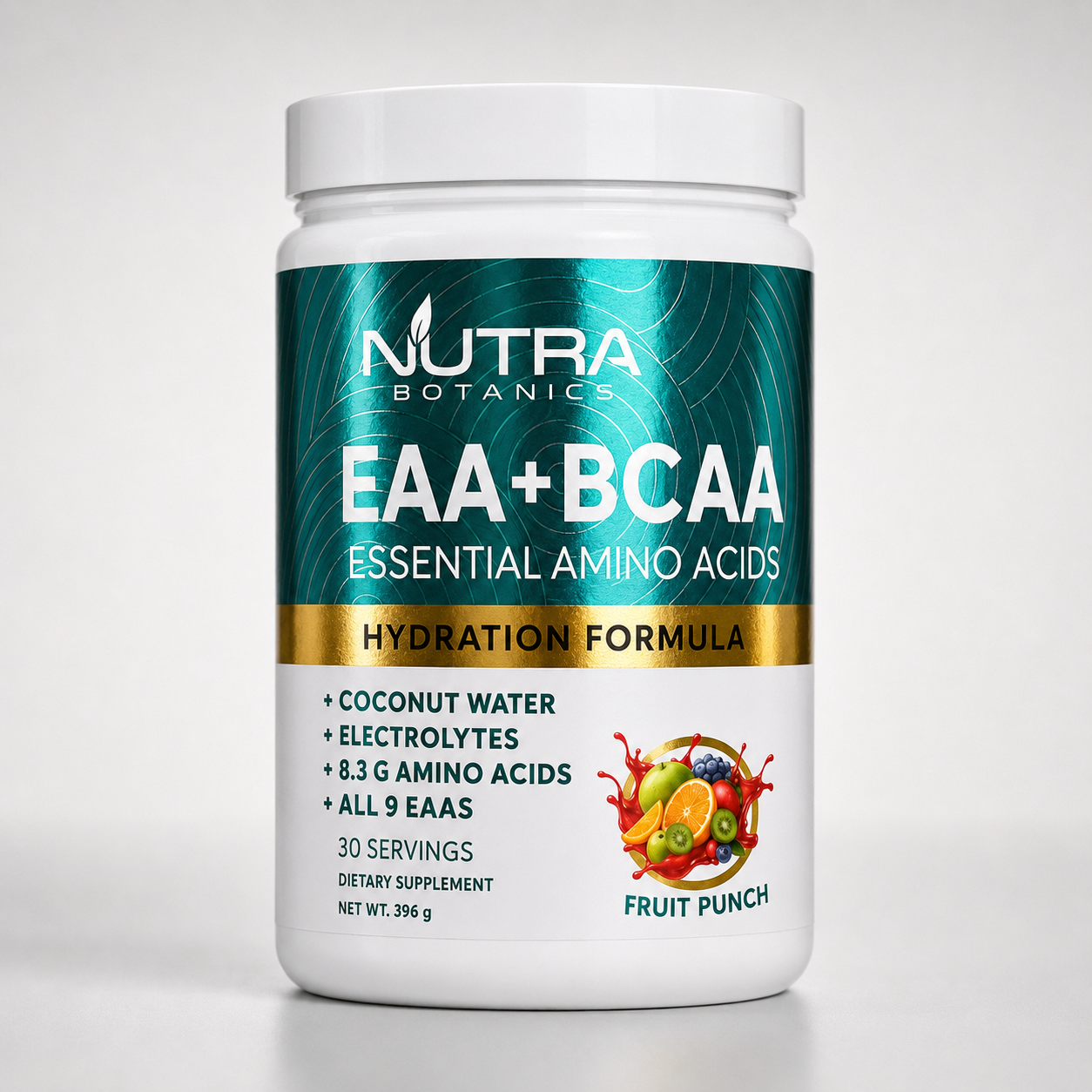
EAA Complex
All 9 essentials · 30 servings
- Complete essential amino acid profile (all 9 EAAs)
- Stronger MPS response vs. BCAAs alone in research
- Ideal for serious lifters, athletes, and fasted training
- GMP & NSF certified · PhD-supervised testing
$34.95Free shipping over $75
Shop EAA Complex