
Key Takeaway

Related reading: Collagen 101: Complete Guide, 12 Foods That Boost Collagen Production, How Much Collagen Per Day, Best Time to Take Collagen.

Is Collagen Safe? The Big Picture

Collagen is the most abundant protein in the human body, making up approximately 30% of your total protein content. You consume collagen naturally every time you eat bone broth, chicken skin, fish, or gelatin-based foods. Collagen supplements are simply a concentrated, purified form of the same protein you already eat.

Hydrolyzed collagen, the form used in most supplements, has been granted GRAS (Generally Recognized as Safe) status by the FDA, meaning it has been extensively evaluated and deemed safe for consumption. Clinical trials have tested collagen at doses ranging from 2.5 grams to 40 grams per day without any serious adverse effects. The overwhelming majority of users tolerate collagen without any issues at all.

Common Side Effects and How Often They Occur

While collagen is well-tolerated by most people, a small percentage may experience mild, temporary side effects, particularly when first starting supplementation. Here is what the clinical data tells us about the most reported side effects.

Symptom Frequency Severity What to Do
Bloating or fullness Mild / Temporary Low Take with food; reduce dose temporarily; stay hydrated
Digestive upset Uncommon Low Start with a lower dose; take with meals; try liquid form
Headache Rare Low Ensure adequate hydration; reduce dose if persistent
Allergic reaction Very Rare Variable Discontinue immediately; seek medical attention if severe

It is important to put these numbers in context. The vast majority of reported side effects are mild and temporary, often resolving within the first few days of use as your body adjusts. Serious adverse effects from collagen supplementation are extremely rare in the published literature.

Safety Profile in Clinical Research

Clinical trials involving thousands of participants have consistently demonstrated that collagen supplements are remarkably well-tolerated. The data paints a clear picture of collagen's safety profile across multiple large-scale studies.

Safety Profile of Collagen Supplements
No Adverse Effects
92%
Mild Digestive
6%
Other Mild
2%
Serious
0%
Source: Aggregate data from multiple randomized controlled trials
Peer-Reviewed Research

"In our systematic review of 19 randomized controlled trials involving over 1,500 participants, oral collagen peptide supplementation demonstrated an excellent safety profile. No serious adverse events were attributed to collagen supplementation across all studies, and the incidence of mild side effects was comparable to placebo groups."

Barati et al., International Orthopaedics, 2020

How Hydrolyzed Collagen Is Processed for Safety

The Science

Hydrolyzed collagen undergoes a multi-step process called enzymatic hydrolysis that breaks large collagen molecules into small peptides, typically between 2,000 and 5,000 daltons in molecular weight. This process serves two important purposes for safety.

First, it ensures high digestibility. Smaller peptides are easily absorbed in the small intestine without causing digestive strain. Studies show that hydrolyzed collagen peptides have a bioavailability of over 90%, meaning your body can efficiently absorb and use them.

Second, the hydrolysis process reduces allergenicity. By breaking down the protein into smaller fragments, the process destroys many of the allergenic epitopes (the specific molecular shapes that trigger immune responses) found in whole collagen. This is why hydrolyzed collagen causes fewer allergic reactions than whole collagen or gelatin.

Who Should Avoid or Use Caution

While collagen is safe for the vast majority of adults, certain groups should exercise caution or consult with a healthcare provider before starting supplementation.

Important Precautions

Pregnant or nursing women: While collagen is a natural protein, there is limited clinical data on collagen supplementation specifically during pregnancy and breastfeeding. Consult your OB-GYN or midwife before starting any new supplement during this time.

Fish or shellfish allergy: Marine collagen is derived from fish skin and scales. If you have a known fish or shellfish allergy, choose bovine (cow) or porcine (pig) sourced collagen instead, and always check the label for the source.

Kidney disease: Collagen is a protein, and people with chronic kidney disease may need to limit their total protein intake.

Kidney disease: Collagen is a protein, and people with chronic kidney disease may need to limit their total protein intake. If you have kidney concerns, discuss collagen supplementation with your nephrologist before starting.

On medications: While no significant drug interactions have been reported with collagen, it is always good practice to inform your healthcare provider about any supplements you take, particularly if you are on medications for blood pressure, blood thinners, or calcium channel blockers.

How to Minimize Digestive Side Effects

Pro Tips for Comfortable Supplementation

Start low and go slow: Begin with half the recommended dose for the first week, then gradually increase to the full dose. This gives your digestive system time to adjust to the additional protein intake.

Take with food: Consuming collagen alongside a meal, particularly one containing vitamin C, can improve tolerance and boost absorption. The food in your stomach buffers the protein and slows digestion for more comfortable processing.

Stay hydrated: Protein metabolism requires water. Drink an extra glass of water when taking your collagen supplement. Proper hydration also supports the collagen synthesis process throughout your body.

Choose liquid over capsules: Liquid collagen formulations are pre-dissolved and often easier on the stomach than large capsules or undissolved powders.

Choose liquid over capsules: Liquid collagen formulations are pre-dissolved and often easier on the stomach than large capsules or undissolved powders. They also tend to have higher absorption rates.

How to Safely Start Collagen

If you are ready to begin collagen supplementation, following a gradual approach can help ensure the best experience with minimal chance of side effects.

1
Start with 5g Per Day
Begin with a conservative dose of approximately 5 grams (5,000 mg) per day. This is well within the range studied in clinical trials and is enough to begin seeing benefits. Take it with a meal and a full glass of water for the first two weeks.
2
Increase Gradually Over 2-4 Weeks
If you tolerate the initial dose well, you can gradually increase to 10-15 grams per day if desired. Most clinical studies use doses in the 5-15 gram range. There is no need to rush; your body will begin building collagen stores from day one.
3
Monitor How You Feel
Pay attention to your digestion, energy levels, and any changes in your skin, hair, nails, or joints over the first 4-8 weeks. Keep a simple journal or notes on your phone. Most people notice initial improvements in skin hydration and nail strength within the first month.
4
Adjust Based on Your Response
If you experience any mild digestive discomfort, reduce the dose and try again at a lower amount. If you feel great, maintain your current dose consistently. For specific concerns like joint pain or significant skin aging, you may benefit from the higher end of the dosing range with your healthcare provider's guidance.

Choosing a Safe Collagen Supplement

Not all collagen supplements are created equal when it comes to safety and quality. The supplement industry is not as tightly regulated as pharmaceuticals, which means product quality can vary significantly between brands. Here are the key safety markers to look for.

Choose products made in FDA-registered, GMP-certified facilities. This ensures the manufacturing environment meets rigorous standards for cleanliness, quality control, and consistency. Look for third-party testing by independent labs, which verifies that the product contains what it claims and is free from contaminants like heavy metals, pesticides, and microbial contamination.

Opt for hydrolyzed collagen peptides rather than undenatured or whole collagen, as they offer superior absorption and digestive tolerance. Check the source of collagen (bovine, marine, or porcine) to ensure it aligns with any dietary restrictions or allergies you may have. Finally, avoid products with long lists of artificial additives, fillers, or sweeteners, which can contribute to digestive discomfort.

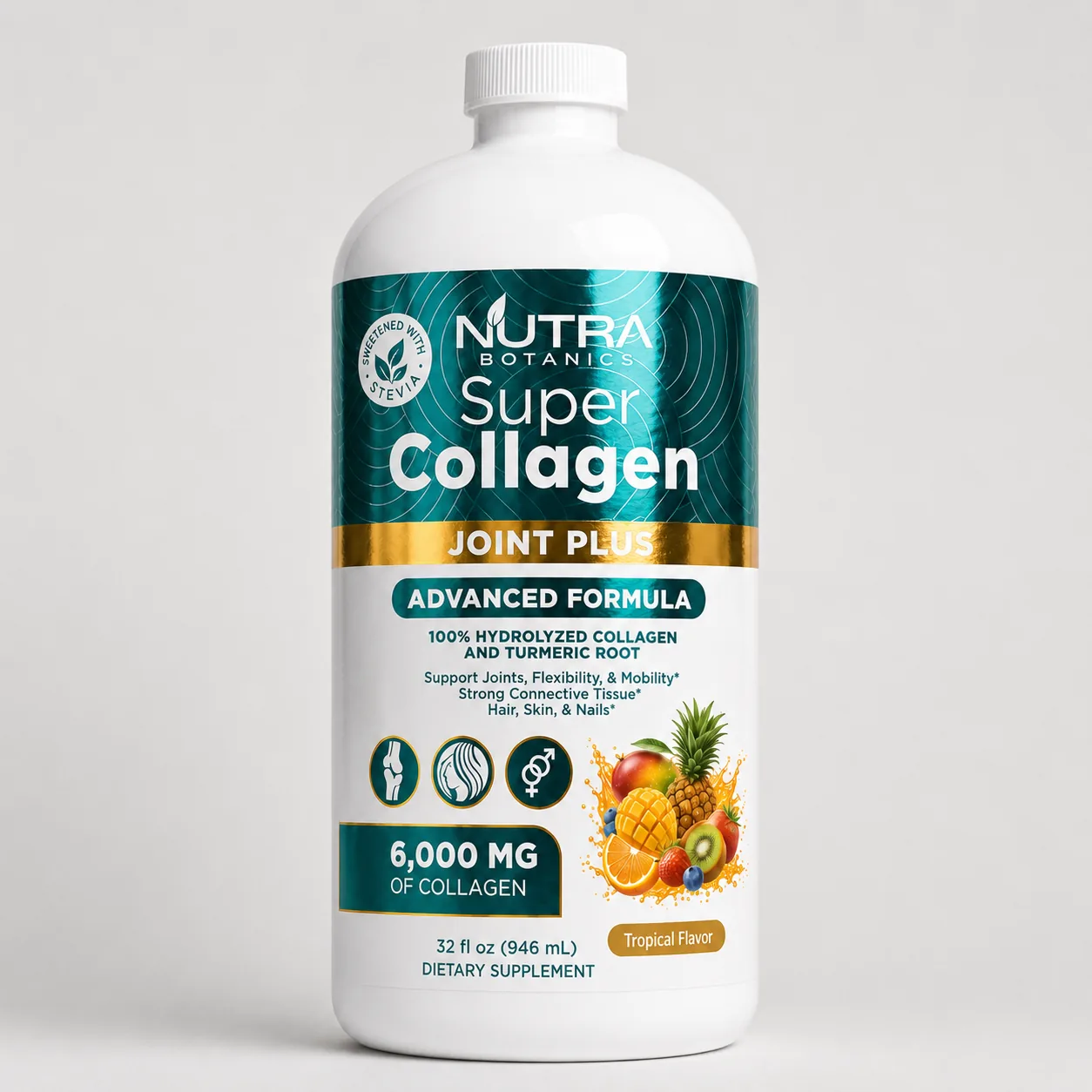
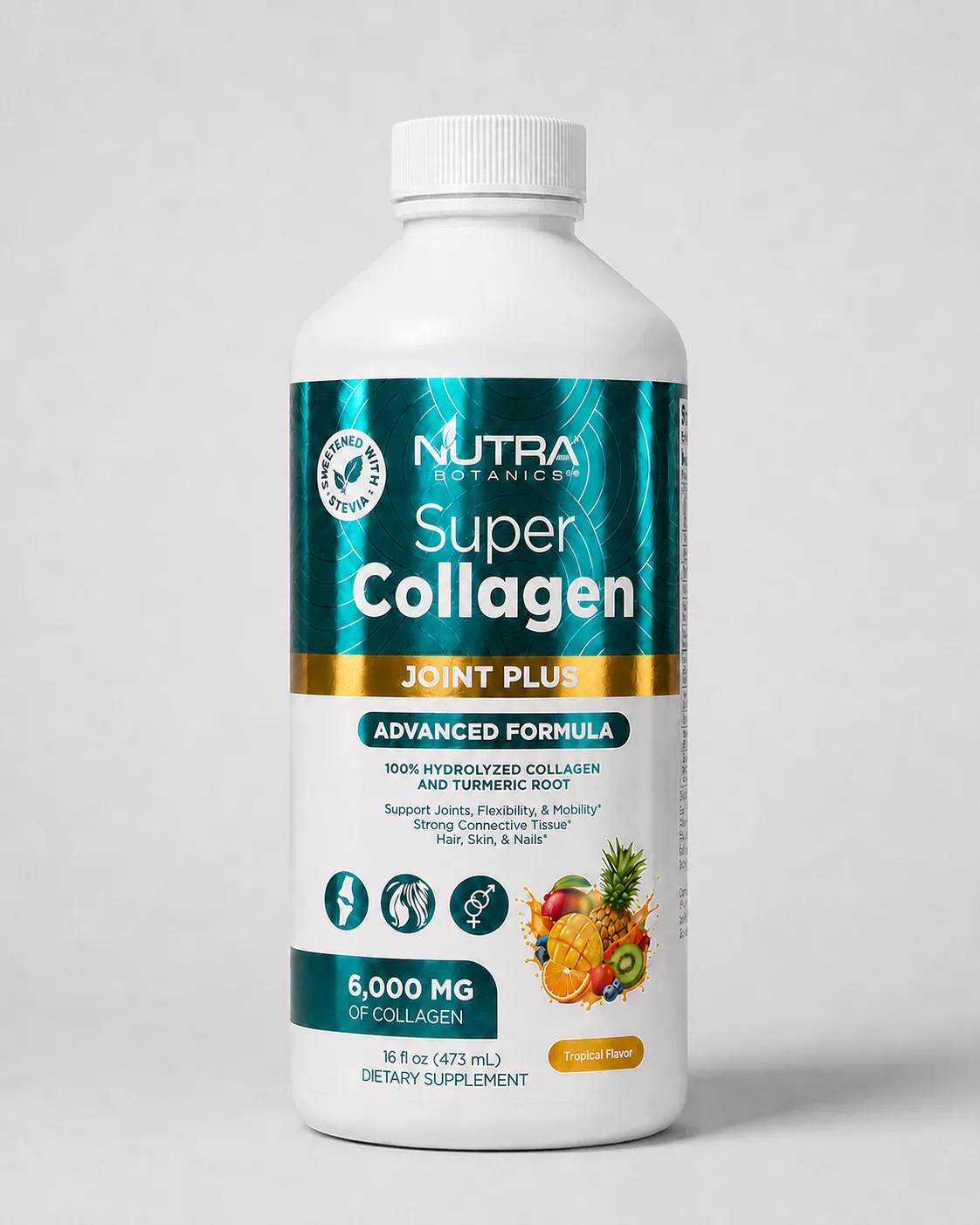
Nutra Botanics Super Collagen Liquid
Super Collagen Liquid
Third-party tested and made in an FDA-registered GMP facility. 6,000mg hydrolyzed collagen peptides per serving with no artificial additives or fillers.*
*These statements have not been evaluated by the Food and Drug Administration. This product is not intended to diagnose, treat, cure, or prevent any disease.
View Product →

Collagen supplements have an excellent safety record backed by decades of clinical research. Over 92% of users report zero side effects, and serious adverse reactions are virtually nonexistent in the published literature. The small percentage who experience mild digestive symptoms can usually resolve them by starting with a lower dose, taking collagen with food, and staying well-hydrated. Choose a high-quality, third-party tested product from a GMP-certified facility for the safest and most effective experience.

Try Collagen with Confidence

Our Super Collagen Liquid is third-party tested, transparently labeled, and manufactured in an FDA-registered GMP facility with your safety as our top priority.*

Shop Collagen Now

What are the most common side effects of collagen?

The most commonly reported side effects are mild and transient: digestive discomfort such as bloating or mild nausea when first starting. These effects typically resolve within 1–2 weeks as the body adjusts. Starting with a lower dose of 5g per day and increasing gradually minimizes the chance of any GI discomfort.*

Can people with fish allergies take collagen?

If you have a fish or shellfish allergy, avoid marine collagen derived from fish. Bovine collagen from cow hide and bones is safe for people with fish allergies. Always check the label to confirm the source before purchasing any collagen supplement.*

Does collagen affect cholesterol or heart health?

Standard hydrolyzed collagen peptides have not been shown to negatively affect cholesterol or cardiovascular markers in clinical research. Collagen is a pure protein with no fat, sugar, or sodium and has no documented mechanism for raising cholesterol. Some studies have even found a modest beneficial effect on arterial elasticity.*

Can I take collagen if I'm pregnant or breastfeeding?

While collagen is a food-derived protein found naturally in bone broth and animal products, pregnant and breastfeeding women should always consult their healthcare provider before starting any new supplement. Clinical safety data in pregnant populations is limited, not because of known risks, but because pregnant women are typically excluded from supplement trials.*

Does collagen interact with any medications?

No significant drug interactions with collagen have been documented in clinical research. Collagen is metabolized as a dietary protein and does not affect liver enzyme pathways commonly involved in drug metabolism. Always inform your healthcare provider about all supplements you take, particularly if you are on any prescription medications.*

Nutra Botanics Editorial Team
Our team of health researchers, nutritionists, and supplement experts creates evidence-based content to help you make informed decisions about your wellness journey. Every article is reviewed for accuracy and backed by peer-reviewed research.
← PreviousFoods That Boost Collagen

Try Collagen with Confidence

Our Super Collagen Liquid is third-party tested, transparently labeled, and manufactured in an FDA-registered GMP facility with your safety as our top priority.*

Shop Collagen Now

Frequently Asked Questions

Is collagen supplementation safe for long-term use?

Collagen is a food-derived protein with an excellent long-term safety profile. Multiple studies running 6–24 months found no adverse effects on liver function, kidney function, or blood markers in healthy adults. Long-term use at 10–15g per day appears safe for most healthy individuals.*

What are the most common side effects of collagen?

The most commonly reported side effects are mild and transient: digestive discomfort such as bloating or mild nausea when first starting. These effects typically resolve within 1–2 weeks as the body adjusts. Starting with a lower dose of 5g per day and increasing gradually minimizes the chance of any GI discomfort.*

Can people with fish allergies take collagen?

If you have a fish or shellfish allergy, avoid marine collagen derived from fish. Bovine collagen from cow hide and bones is safe for people with fish allergies. Always check the label to confirm the source before purchasing any collagen supplement.*

Does collagen affect cholesterol or heart health?

Standard hydrolyzed collagen peptides have not been shown to negatively affect cholesterol or cardiovascular markers in clinical research. Collagen is a pure protein with no fat, sugar, or sodium and has no documented mechanism for raising cholesterol. Some studies have even found a modest beneficial effect on arterial elasticity.*

Can I take collagen if I'm pregnant or breastfeeding?

While collagen is a food-derived protein found naturally in bone broth and animal products, pregnant and breastfeeding women should always consult their healthcare provider before starting any new supplement. Clinical safety data in pregnant populations is limited, not because of known risks, but because pregnant women are typically excluded from supplement trials.*

Does collagen interact with any medications?

No significant drug interactions with collagen have been documented in clinical research. Collagen is metabolized as a dietary protein and does not affect liver enzyme pathways commonly involved in drug metabolism. Always inform your healthcare provider about all supplements you take, particularly if you are on any prescription medications.*
Nutra Botanics Editorial Team

Nutra Botanics Editorial Team

Our research team reviews peer-reviewed literature to bring you accurate, evidence-based supplement guidance. We prioritize studies over marketing claims and transparency over trends.

Nutra Botanics Super Collagen Liquid
Formula Spotlight

Super Collagen Liquid

Hydrolyzed Peptides · 30 servings

  • 6,000mg hydrolyzed collagen peptides per serving
  • Liquid format for maximum bioavailability
  • Supports hair, nails, skin, and joints
  • Third-party tested · GMP certified

$39.95Free shipping over $50

Shop Super Collagen
Collagen catalog — all formats
Full Catalog

Explore All Collagen Products

Browse the Nutra Botanics collagen range

  • Multiple formats: liquid peptides, powders, capsules
  • Compare serving sizes, sources, and stack partners
  • Find the right format for your routine
  • Third-party tested · GMP certified across the range

Shop the rangeSubscribe & save 20%

Browse Collagen