
Key Takeaways
- Short-term weight gain from creatine is intramuscular water, not fat — usually 2–4 lbs in the first 2 weeks
- This water is inside muscle cells and contributes to strength and volume, not bloating or puffiness
- Long-term, creatine supports lean-mass gains when combined with resistance training, but does not directly add fat
- Skipping a loading phase (starting at 3–5g/day instead) reduces the initial water shift if that is a concern
- The weight stabilizes within 2–4 weeks — continued creatine use does not cause ongoing water accumulation
Related reading: Creatine for Women, Creatine for Beginners, How to Take Creatine, When to Take Creatine.
Why the Scale Goes Up When You Start Creatine
Creatine is osmotically active — it draws water with it into cells. When creatine accumulates in muscle tissue (which is where ~95% of your body's creatine is stored), it pulls water along. More creatine in the muscle = more water in the muscle. This is the sole mechanism behind the initial weight gain.
The amount of water drawn in is proportional to how much creatine is being stored. Someone who starts with a loading phase (20g/day for 5–7 days) may see a rapid 3–4 lb gain. Someone using the gradual approach (3–5g/day) will gain the same water weight over 3–4 weeks, but more gradually — often 1–2 lbs per week until saturation is reached.
Intramuscular vs. Subcutaneous Water
Not all water retention is the same. The type matters enormously — and creatine causes the better kind.
Subcutaneous water sits between your skin and muscle. This is the water that causes the soft, puffy, "bloated" look — the kind associated with high sodium intake, carbohydrate refeeds after dieting, hormonal fluctuations, or excess cortisol. It obscures muscle definition and can look and feel uncomfortable.
Intramuscular water is stored inside muscle cells alongside creatine and glycogen. This type of water retention actually increases muscle volume from within — contributing to a slightly fuller, more defined appearance. It doesn't obscure definition; if anything, it enhances it. Muscles look more "pumped" at rest because they are, in fact, holding more volume.
Where Does Creatine-Related Weight Go?
What It Looks and Feels Like
Most people describe the physical effect of creatine supplementation as looking "fuller" rather than bigger. Muscles have slightly more volume. Veins may be slightly more visible. The overall silhouette tends to look denser rather than bloated.
"My face and stomach look puffy from creatine."
Creatine primarily stores water in muscle tissue, not subcutaneous fat or the face. If you're experiencing facial puffiness, the cause is more likely sodium intake, sleep, or hormones.
"The weight gain means I'm getting fat."
Creatine contains zero calories. It does not trigger fat storage mechanisms. Any concurrent fat gain is from caloric intake, not creatine.
Long-Term Body Composition Effects
After the initial water weight stabilizes (usually within 2–4 weeks), creatine begins contributing to actual lean mass gains through its primary mechanism: enabling higher-quality training. More reps, more weight moved, more training stimulus = more muscle protein synthesis = more actual muscle tissue over weeks and months.
Long-term studies (12+ weeks) consistently show that creatine users end up with more lean mass and similar or lower fat mass compared to placebo groups — despite the initial scale increase. A 2003 meta-analysis found that creatine supplementation added an average of 2.2 lbs of lean mass over the study periods examined, with no significant change in fat mass.
The body composition trajectory looks like: initial water weight gain → same weight for a few weeks as body adapts → gradual continued increase from real muscle accumulation. The scale will keep rising if you're training consistently — but what you're gaining changes from water to muscle over time.
Who Should Not Worry About This
If you're training for performance, muscle building, cognitive health, or longevity — the weight gain from creatine is not a concern. What matters is what you're made of, not what you weigh. An extra 2 lbs of intramuscular water and 2 lbs of lean muscle is a dramatically better outcome than being 4 lbs lighter with less muscle and lower phosphocreatine stores.
Women using creatine can find more specific guidance in our creatine for women guide — including why the initial weight gain concern is especially overblown for most women's goals.
The only people for whom this deserves thought: weight-class athletes (wrestlers, boxers, powerlifters) who compete at specific weight limits. For them, timing the start of creatine supplementation relative to competition and understanding how to strategically manage water weight during a cut matters. For everyone else, 2–4 lbs of intramuscular water is a non-issue.
What Happens When You Stop Taking Creatine
When you stop supplementing, your body naturally breaks down creatine to creatinine at about 2% per day. Over 3–6 weeks, intramuscular creatine levels return to baseline. As creatine leaves the muscle, the water it held follows — and the weight comes off.
The water-weight loss when stopping creatine is usually 1–3 lbs over 1–2 weeks. This is the same water that came in during loading. Muscle tissue gained during the supplementation period remains — the actual lean mass you built doesn't disappear when creatine stores deplete. Only the water component of the weight gain reverses.
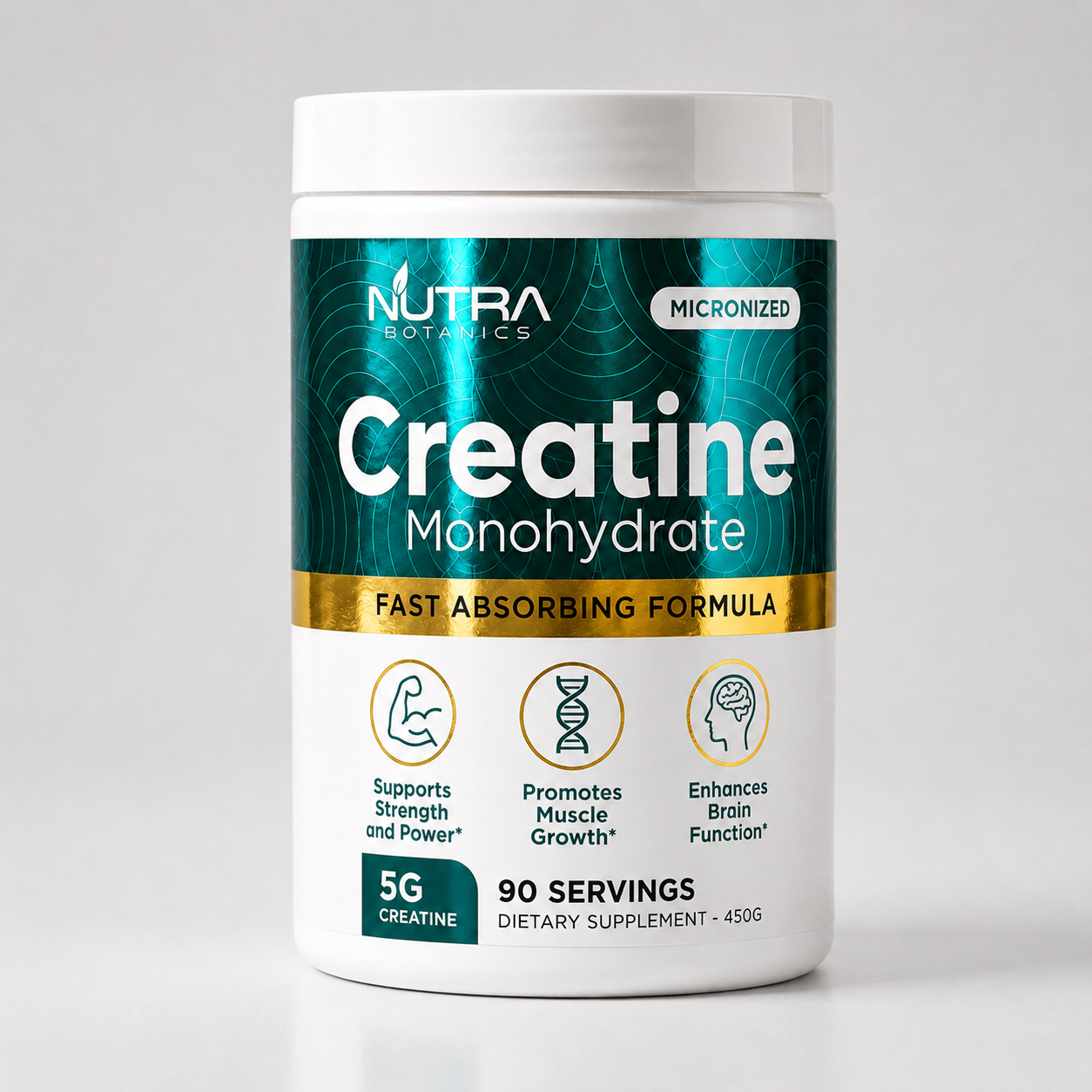
Formula Spotlight
Creatine Monohydrate
Pure · Micronized · Research-backed
- 5g pure creatine monohydrate per serving
- Zero fillers, flavors, or additives
- PhD-supervised in-house testing
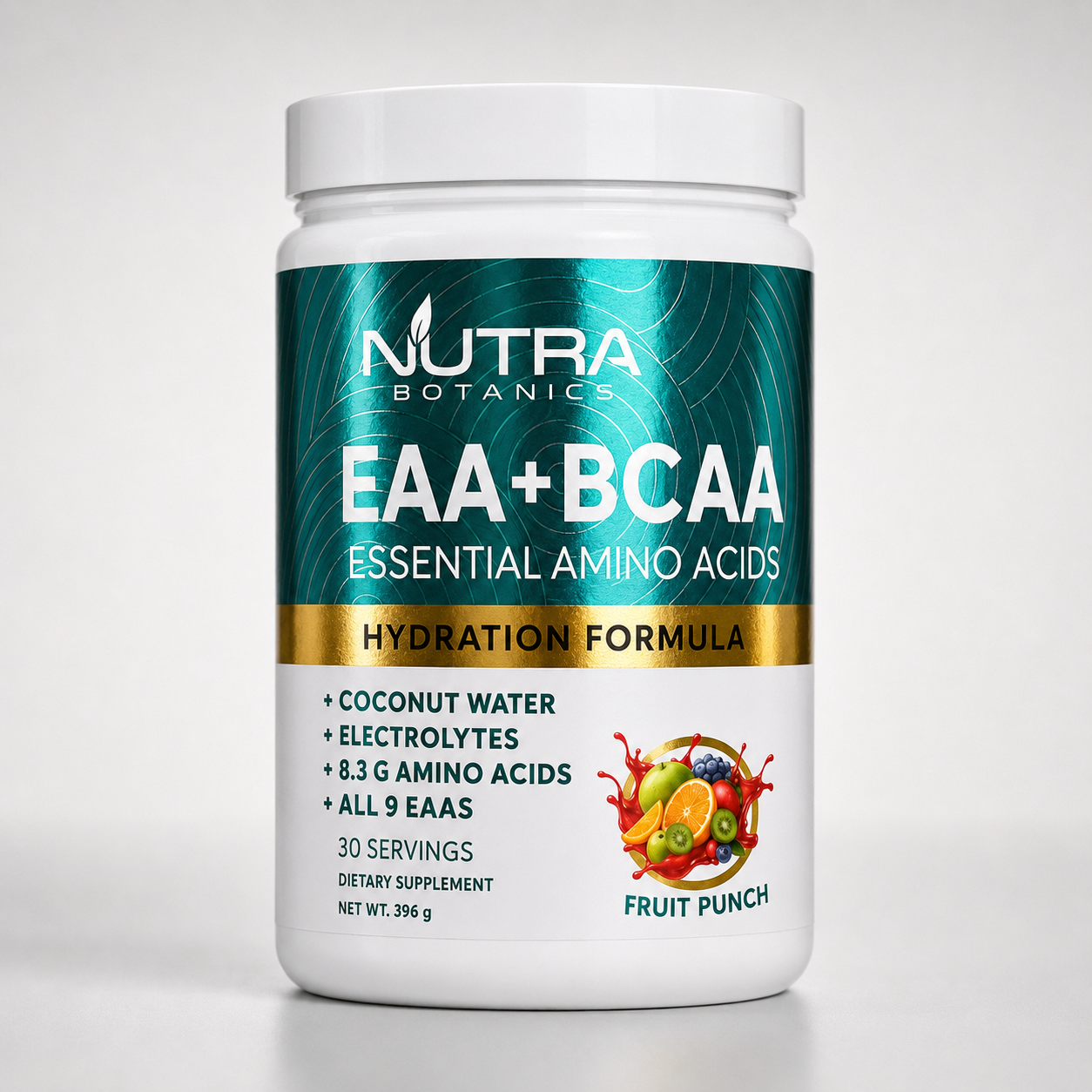
Pairs Well With
EAA Hydration
Recovery · Intracellular Hydration
- All 9 essential amino acids
- Electrolytes for cellular hydration
- Supports lean muscle preservation
Related Articles


Frequently Asked Questions
How much weight will I gain in the first week on creatine?
Will the weight gain from creatine go away?
Will creatine make me look bloated or puffy?
Is the weight gain from creatine permanent?
Does creatine cause fat gain?
Can I take creatine while cutting or trying to lose fat?
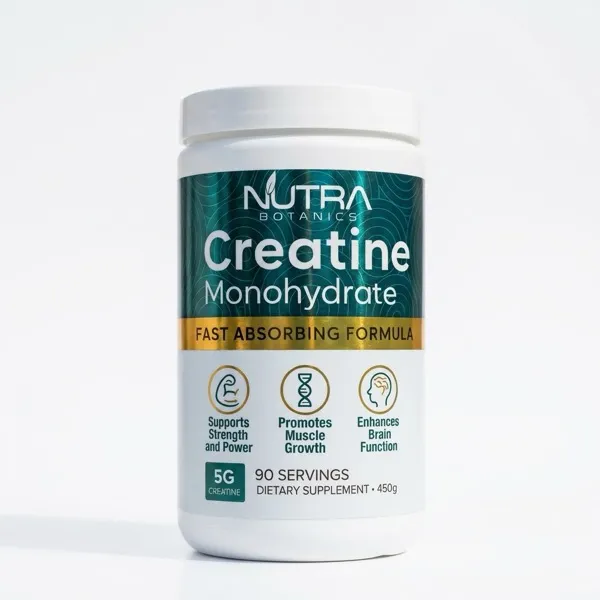
Creatine Monohydrate
Micronized · 60 servings
- 5g pure micronized monohydrate per serving
- Unflavored · mixes clean in any liquid
- GMP & NSF certified · PhD-supervised testing
- No fillers, stimulants, or artificial additives
$29.95Free shipping over $75
Shop CreatineEAA Complex
Recovery · 30 servings
- All 9 essential amino acids for muscle repair
- Electrolytes for sustained hydration
- Zero sugar · light citrus flavor
- Pairs with creatine for optimal training support
$34.95Subscribe & save 20%
Shop EAA Complex