
Key Takeaways
- Creatine helps the highest-intensity efforts — sprints, climbs, surges — rather than steady-state aerobic output
- Endurance athletes benefit most during interval sessions, hill repeats, and the final kick of long races
- 3–5g per day is sufficient; loading is optional and primarily speeds saturation by 1–2 weeks
- The modest weight gain (mostly intramuscular water) is usually outweighed by the strength and recovery benefit
- Combining creatine with proper fueling and electrolytes produces the best results for endurance athletes
Related reading: Creatine for Women, Creatine for Beginners, How to Take Creatine, When to Take Creatine.
Why the Mechanism Doesn't Help Steady-State Endurance
Creatine's performance benefits work through the phosphocreatine (PCr) energy system — the ATP-PCr pathway that powers maximal efforts lasting 1–10 seconds. Sprinting 100m, the last rep of a set, an explosive change of direction. This is a completely different energy system than the one that powers endurance performance.
Aerobic endurance is powered by oxidative phosphorylation — the aerobic metabolic pathway that uses oxygen to produce ATP over hours. Creatine supplementation doesn't improve mitochondrial density, oxygen utilization efficiency, lactate threshold, or VO2 max — the factors that determine steady-state endurance performance.
So if you're asking "will creatine help me run a faster marathon pace at hour 3?" — the research says no, not directly. The energy system creatine supports isn't what you're using during sustained aerobic effort.
Where Creatine Does Help Endurance Athletes
The more interesting question isn't "does creatine help marathon pace?" — it's "where in endurance training and racing does high-intensity energy matter?" The answer: more places than most endurance athletes think.
| Situation | Creatine Benefit? | Why |
|---|---|---|
| Steady-state Zone 2 running/cycling | None | Aerobic pathway — creatine doesn't apply |
| Hill repeats / interval sessions | Yes | PCr system powers repeated high-intensity bouts |
| Sprint finish in a race | Yes | Final kick is anaerobic — creatine helps |
| Strength/gym training for injury prevention | Yes | Supports strength gains from resistance work |
| Recovery between training days | Yes | Accelerates glycogen resynthesis and muscle repair |
| Cognitive performance during long efforts | Possible | Brain energy support during fatigue |
High-intensity interval training is a cornerstone of modern endurance training — and this is exactly where creatine's mechanism applies. More phosphocreatine available means you can sustain higher power output during VO2 max intervals, Fartlek efforts, and tempo work. The indirect effect: harder interval sessions drive greater aerobic adaptation over time.
The Weight Gain Trade-Off
This is the central debate for endurance athletes considering creatine: the 1–3 lb water weight gain that comes with muscle saturation. For a runner, every pound matters — the energy cost of running increases linearly with body mass. A 2-lb increase translates to a small but real increase in the metabolic cost of each mile.
Whether this trade-off is worth it depends on the sport and the individual. For a marathon runner focused purely on pace, the weight consideration is legitimate and worth calculating. For a triathlete, cyclist on varied terrain, or anyone whose training includes significant high-intensity work, the benefits likely outweigh the weight cost.
Some endurance athletes strategically cycle creatine: supplementing during off-season or base-training phases when high-intensity work is emphasized, then stopping creatine 4–6 weeks before goal races to shed the water weight while retaining the muscular gains.
Recovery Benefits
This is arguably where creatine's value is highest for endurance athletes. High-volume training (80–100+ miles per week for elite runners, 15–20+ hours per week for triathletes) creates enormous recovery demands. Creatine supports recovery through several mechanisms:
- Glycogen resynthesis: Creatine co-stores with glycogen in muscle. Research shows that creatine supplementation combined with carbohydrate consumption after exercise accelerates glycogen replenishment by up to 10–15% compared to carbohydrates alone
- Reduced muscle damage markers: Creatine has been shown to reduce markers of exercise-induced muscle damage (CK, LDH) after intense training
- Inflammation reduction: Some studies suggest creatine modestly reduces inflammatory markers post-exercise, supporting faster return to quality training
For athletes training twice daily or accumulating heavy volume blocks, the ability to recover faster between sessions compounds significantly over a training cycle.
Research Snapshot
Creatine's Measured Effect in Endurance Athletes
Average changes vs. placebo across controlled trials in trained endurance populations.
*Effect size depends on event duration. Benefits cluster around repeat-effort and recovery outcomes; steady-state endurance shows little change. Not medical advice.
Triathletes and Multi-Sport Athletes
Triathletes occupy a unique position in this debate. The swim has significant sprint demands (race starts, open water positioning). Cycling benefits from power output. The run has the weight penalty. Overall, the balance of creatine's benefits tips more positive for triathletes than for pure runners.
Sprint-heavy sport — significant creatine benefit for repeat bouts and starts
Climbs and sprints involve PCr system — weight gain matters less on bike
Most sensitive to weight — benefit mainly from intervals and recovery
Net positive across all three disciplines — especially with heavy training loads
How Endurance Athletes Should Dose
Endurance athletes who decide to supplement with creatine don't need a special protocol — the standard dosing works. The strategic consideration is timing relative to the training season.
Endurance Athlete Protocol
Dose: 3–5g/day — same as any athlete
Skip loading: Recommended — avoids rapid weight gain that disrupts training feel
Best seasons: Base building and off-season when interval quality matters most
Before goal races: Consider stopping 4–6 weeks out to shed water weight while retaining strength
Recovery focus: Take post-workout with carbohydrates to maximize glycogen replenishment
Hydration: Critical — dehydration worsens both performance and creatine's GI tolerance
For timing guidance that applies to endurance training days and rest days, see our when to take creatine guide. For fundamentals on creatine forms and mechanisms, see our beginner's guide. And if you've heard endurance-specific myths about creatine, our article on the most misunderstood supplement addresses many of them directly.
Frequently Asked Questions
Does creatine help marathon runners?
Will creatine improve my VO2 max?
Will creatine slow me down as a runner because of the weight?
Is creatine useful for cyclists?
Can swimmers benefit from creatine?
When should endurance athletes take creatine relative to their training cycles?

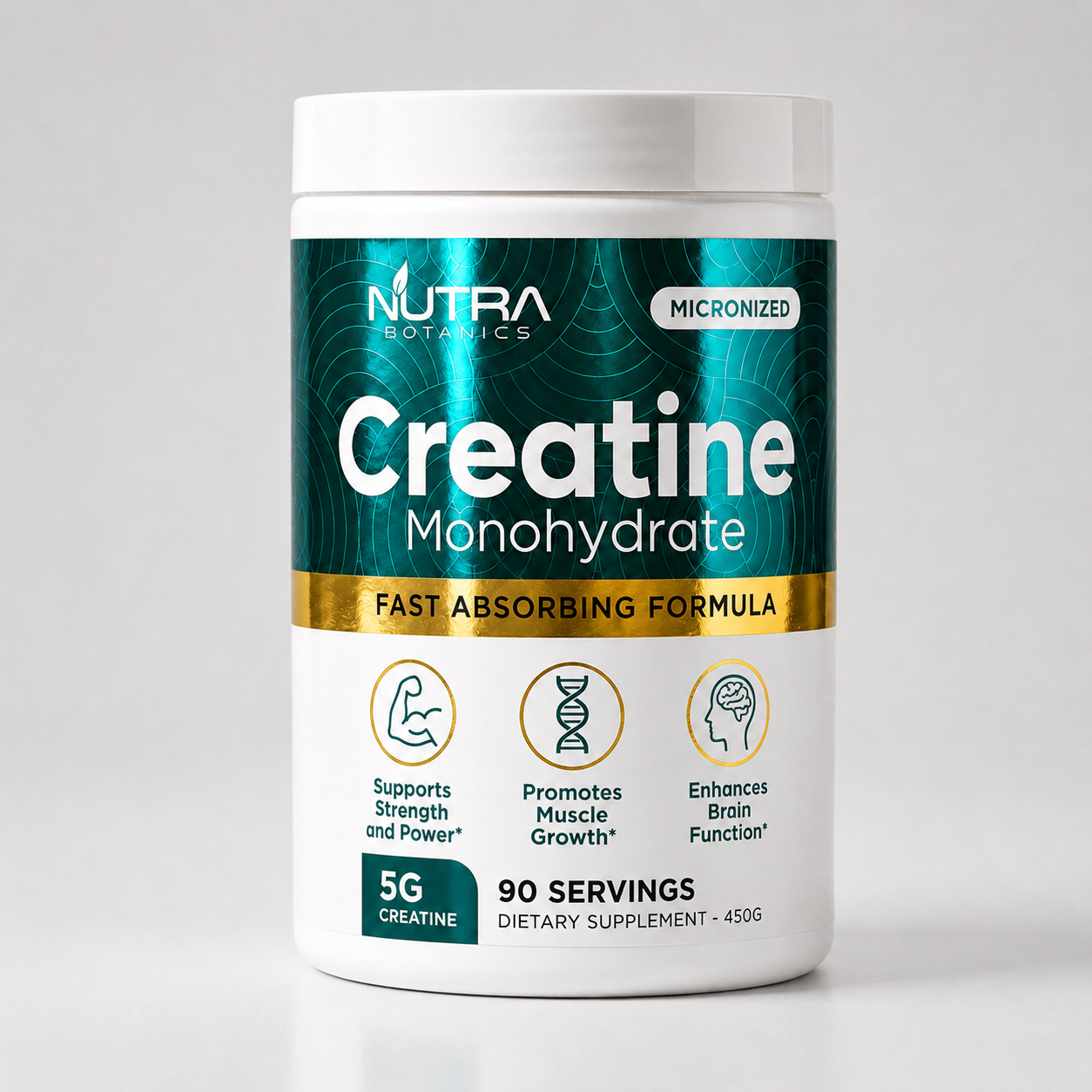
Micronized Creatine Monohydrate
5g pure creatine per serving · 60 servings
- Pure creatine monohydrate · no fillers or blends
- Micronized for easier mixing and absorption
- Unflavored · stacks cleanly with any routine
- GMP & NSF certified · PhD-supervised testing
See pricingFree shipping over $75
Shop Creatine Monohydrate
Explore Performance Support
Browse the Nutra Botanics performance range
- Creatine, BCAA, EAA, and pre-workout options
- Compare formats, dosing, and stack partners
- GMP & NSF certified · PhD-supervised testing
- Subscribe to save 20% on recurring shipments
Shop the rangeSubscribe & save 20%
Browse Performance