
Creatine can be a useful addition to a strength-training routine after 40. Its clearest role is helping your muscles supply energy for repeated, demanding efforts. Your age alone does not mean you need it, and the evidence does not establish it as a treatment for menopause symptoms.
Start with your goal
- Building strength? Creatine is worth considering alongside regular resistance training.
- Concerned about bone loss or brain fog? Those need their own assessment. Creatine has not consistently improved bone density, and cognitive findings do not establish relief from menopause symptoms.
- Choosing a tub? Check the creatine form, amount per serving and cost per labeled serving.
Make strength training the foundation
A useful question is: what do you want to do more comfortably? Lift heavier weights, carry groceries or stay confident during a demanding class? Choose a training plan around that goal. A supplement should support the plan, rather than become the plan.
Creatine helps your muscles replenish their immediate energy supply between hard efforts. Think of repeated sets of squats or presses, rather than an all-day energy boost. The NIH overview of exercise supplements describes the strongest performance evidence for short, repeated bursts of intense activity.
If you are new to lifting, first learn movements you can repeat comfortably. Our creatine guide for beginners explains how the supplement fits into a routine without making the start unnecessarily complicated.
Turning 40 does not prove your stores are low
You make creatine naturally and obtain some from foods such as meat and fish. Starting levels and responses vary. A woman eating little or no meat may have a different starting point from someone with a different diet, but sex and age alone do not reveal an individual's muscle stores.
The review of creatine across women's life stages explores several possible uses. It does not establish that every woman over 40 is deficient or will respond more strongly than a man. There is no need to buy a special hormone-focused formula solely because you reached a birthday.
Separate training benefits from bigger promises
Strength and lean muscle
There is a useful training signal in the research. In a 12-week trial of 18 older women, 5 g daily with resistance training improved strength and fat-free mass more than training with a placebo. The women averaged about 65 years old, so this small study cannot predict the result for every woman in her 40s.
Bone health
Bone findings are mixed. An early, smaller trial found less loss at one hip site, while two larger, longer trials did not show a bone-density benefit. Creatine should not replace assessment or a treatment plan for low bone density. The comparison below explains the difference between these results.
Memory and brain fog
A 2023 trial involving 123 adults suggested a possible small cognitive benefit, but its main tests did not show clear statistically significant improvements. It was not a trial of perimenopausal brain fog. Do not count on creatine to resolve that symptom.
Recovery and everyday energy
Supporting repeated hard efforts does not mean a product will prevent soreness, reverse fatigue or improve recovery by a fixed percentage. Match the claim to what was measured. Sleep, food and a training workload you can sustain remain useful things to review when sessions leave you exhausted.
What the women's trials actually found
Look at who took part, how they trained and what changed. These trials used different groups and protocols. Most participants were older or postmenopausal, so their results do not describe every woman in her early 40s.
| Study and participants | What it tells you |
|---|---|
| 2013 strength trial 18 women, average age about 65. 5 g daily plus lifting for 12 weeks. | Strength, fat-free mass and functional tests improved more with creatine. A small trial supports a training role, without guaranteeing the same gains for everyone. |
| 2015 bone trial 47 postmenopausal women enrolled; 33 analyzed at one year. Weight-based dose plus lifting. | Less bone-density loss at the femoral neck, a hip site. This was preservation, not new bone gain. Other measured outcomes did not all improve. |
| 2020 bone trial 200 postmenopausal women with osteopenia, meaning low bone density. 3 g daily for two years. | No added benefit for bone density, bone structure, lean mass or muscle function. A longer trial did not confirm a bone-health benefit. |
| 2023 training and bone trial 237 postmenopausal women. Weight-based dose, lifting and walking for two years. | No improvement in bone density or strength over placebo. Some hip-structure measurements and walking time improved. Hip structure is a different measurement from bone density. |
What this means for your purchase: choose creatine for its role in a training routine. A claim that it reliably builds denser bones or fixes menopause-related brain fog goes further than these results establish.
Understand changes on the scale
Creatine can increase water held in muscle, so weight may rise without a rise in body fat. The amount varies. It is misleading to guarantee a particular number of pounds or promise that no one will notice a change.
You will not know how your body responds from the scale alone. Keep a simple record of the weights, repetitions and movements you can perform. If weight or appearance is an important concern, decide beforehand which measures will help you assess the routine fairly.
Follow the label and make the habit easy
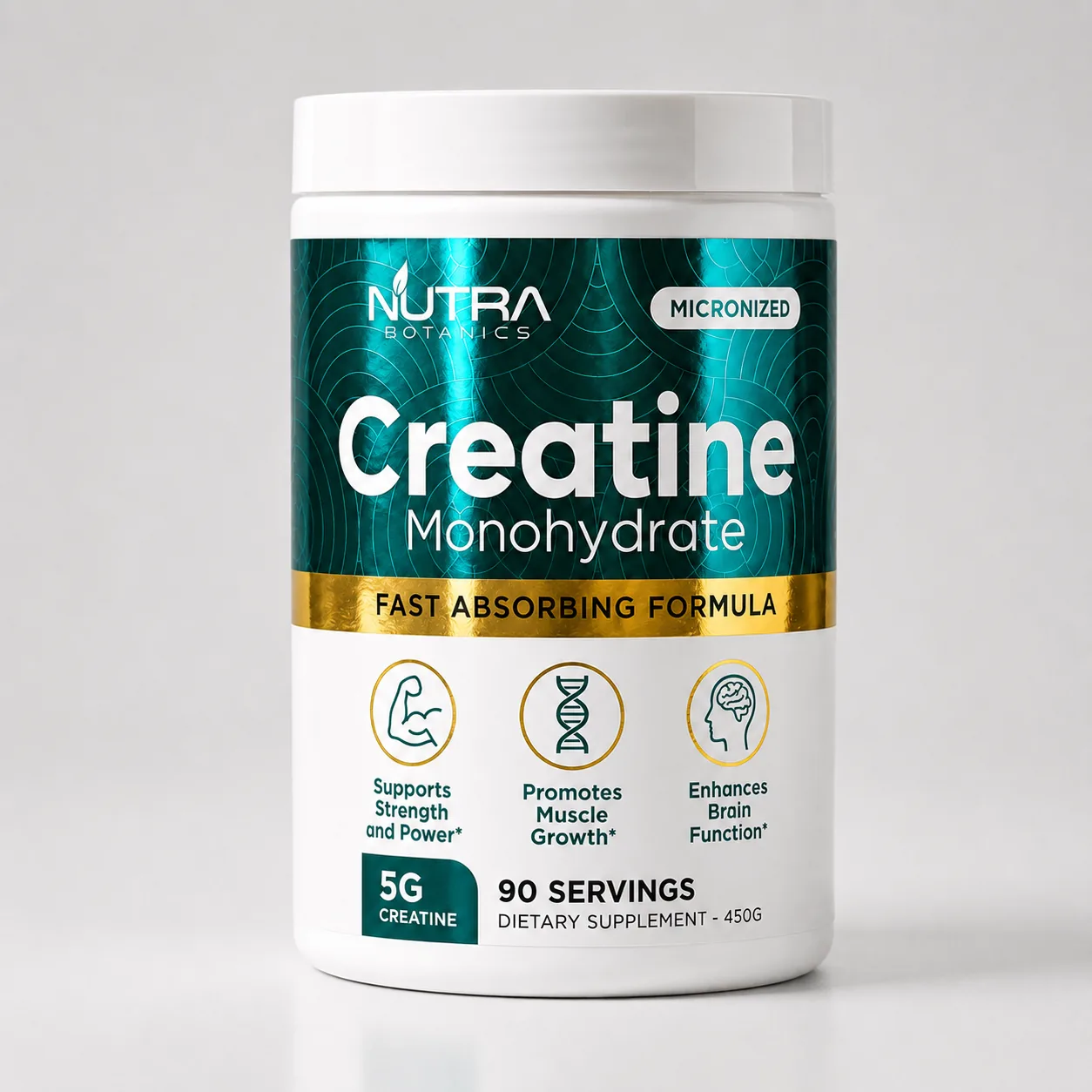
Creatine monohydrate is the form used widely in performance research. Follow your container's directions rather than copying a study's weight-based dose. Nutra Botanics lists one 5 g scoop for its current Creatine Monohydrate tub.
A loading phase is optional. In a muscle-loading study in men, 3 g daily increased muscle creatine gradually over 28 days. That finding concerns muscle stores, not a guaranteed date for better strength or mood. Do not increase your serving to copy a loading protocol without appropriate guidance.
Pick a drink and a time you can remember, then mix thoroughly as directed. Consistency is more useful than chasing a minute-perfect window. See how to choose a practical creatine time and the complete creatine supplement guide for more detail.
Track progress without a countdown promise
Creatine is not a stimulant, so an immediate energized feeling is not the test. Keep your training reasonably consistent and record a few useful measures: repetitions at a given weight, how comfortably you finish a set and whether your routine is sustainable.
Training experience, starting stores and adherence differ. A calendar cannot guarantee when you will feel a change, and absence of a dramatic sensation does not prove a product is defective. Persistent fatigue, unusual symptoms or worsening exercise tolerance deserve a healthcare discussion.
Choose by purpose, rather than building a large stack
Check other powders and pre-workouts for creatine before adding a tub. Duplicate ingredients can make your actual intake harder to follow. You do not need to buy several supplements to start a strength routine.
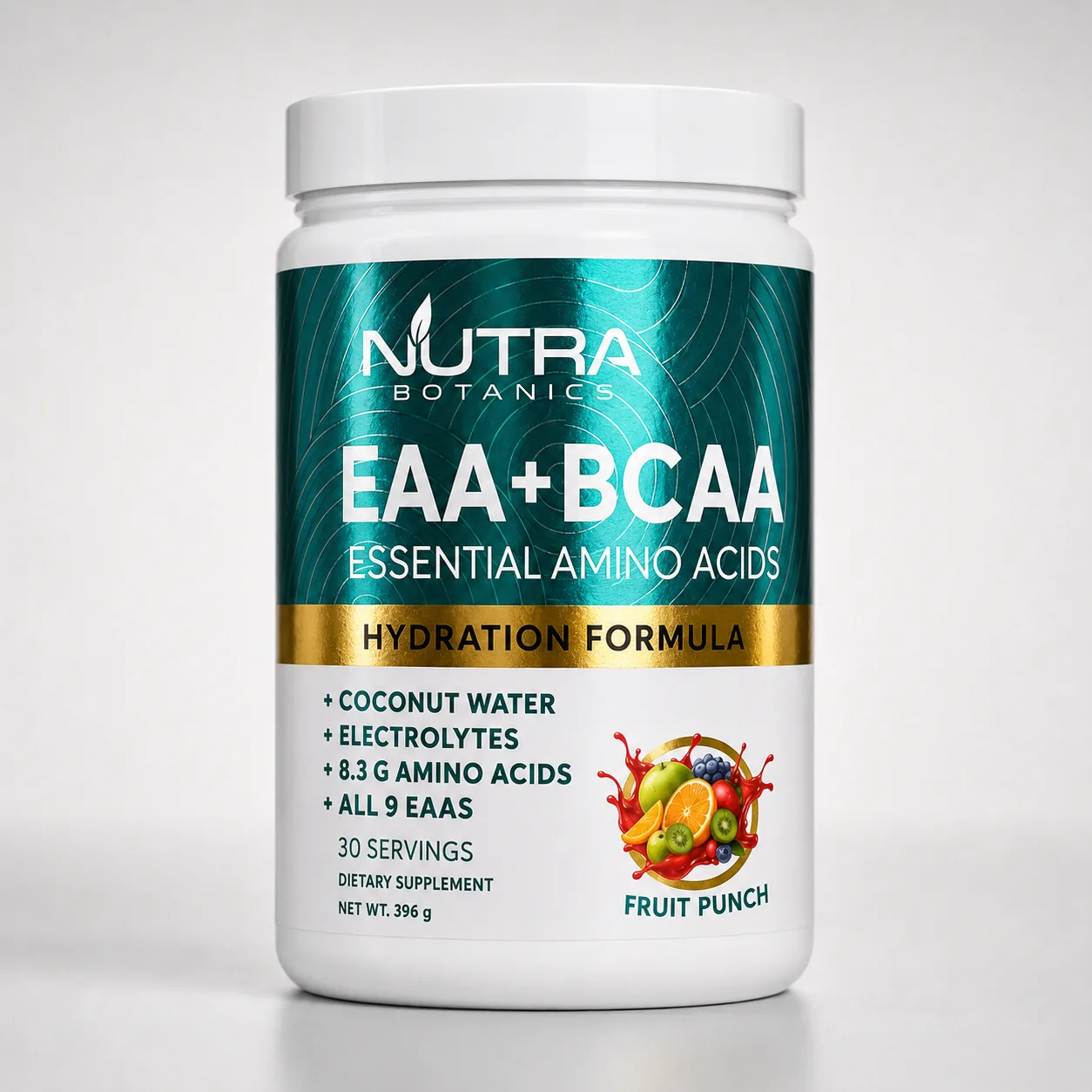
Creatine and amino-acid formulas have different roles. Creatine supports muscle energy for repeated efforts; an EAA formula supplies essential amino acids. The product cards below let you inspect each formula separately. Food and training needs should guide the choice.
If your question is about a different ingredient, the collagen guide for women over 40 covers its own uses and limits. Adding collagen does not turn creatine into a bone-loss or menopause treatment.
What to check before buying
A straightforward tub, with clear serving value
- Form: micronized creatine monohydrate. Micronized describes smaller particles for mixing, rather than a different creatine compound.
- Serving: 5 g, with no other ingredients listed in the current formula.
- Tub: 450 g and 90 labeled servings.
- Format: unflavored, with no added caffeine. Check your drink's ingredients separately.
- One-time price: $29.99, about $0.33 per labeled serving before tax and shipping. Check the product page for current pricing and subscription options.
Check Creatine Monohydrate's label and current purchase options. Compare the ingredient list and directions before choosing. Our creatine cornerstone guide and guide to creatine for women provide more background.
Check suitability before starting
Research in healthy adults does not establish suitability for every medical condition. Speak with a healthcare professional if you have kidney disease, take medication, are pregnant or breastfeeding, or have another condition. Creatine can cause stomach discomfort or water-weight changes. Follow the current label and discuss persistent symptoms.
This guide summarizes ingredient research and current label facts. The trials above did not test Nutra Botanics' finished product. It is educational buying information, not a diagnosis or a personalized treatment plan.
Questions about creatine after 40
Is creatine safe for women over 40?
Will creatine make women over 40 gain weight?
How much creatine should women over 40 take?
Does creatine help with menopause?
Does creatine help support bone density during perimenopause?
What supplements pair well with creatine for women over 40?