Is collagen worth considering after 40? It can be an optional part of your routine, but turning 40 does not make a supplement essential. Start with what matters to you: skin hydration, comfortable movement or a convenient way to add collagen.
This guide explains what changes around menopause, what the research actually measured and how to compare a formula. You can make a useful choice without an intimidating supplement stack or a promise to reverse aging.
Collagen gives tissues structure
Collagen is a structural protein in skin and other connective tissues. Think of its fibers as part of the framework that gives tissues strength. That role explains the interest in collagen supplements; it does not mean a serving goes straight to wrinkles or sore joints. Read about collagen's structure.
Hydrolyzed collagen means collagen broken into smaller pieces, called peptides. When comparing products, look for the amount per serving and the complete ingredient list. Our collagen buying guide walks through those checks.
What changes after 40?
Skin may become drier, thinner or less firm as hormone levels change around menopause. The timing and visible changes differ from person to person. The American Academy of Dermatology explains skin care during menopause.
A birthday is not a measurement of your collagen level. An age chart cannot tell you how much collagen you personally have, which supplement you need or what result to expect. Use your actual goal and the product label to guide your choice.
Keep menopause and supplement claims separate
Dermatologist guidance describes a substantial drop in skin collagen in the first years after menopause. That is about skin, not a measured loss from your whole body. It also does not show that an oral supplement replaces everything lost.
Hot flashes, night sweats and other disruptive menopause symptoms deserve their own discussion with your clinician. Collagen is not hormone therapy. The National Institute on Aging describes options for managing hot flashes.
A change is a clue, not a diagnosis
Dry skin, hair thinning, brittle nails and joint discomfort should not automatically be called collagen deficiency. Notice what changed, when it started and how it affects your day. That is more useful than assuming one supplement explains every symptom.
For skin dryness, a gentle cleanser and moisturizer can help. For hair thinning, a dermatologist can check the cause and discuss treatment. These are practical steps you can take alongside reviewing your routine.
Explore collagen research for hair and nails or the joint research guide for a closer look at your main concern.
Match the research to the benefit you want
| Your goal | Useful distinction |
|---|---|
| Skin hydration | Moisture and elasticity measurements are different from visible wrinkle removal. |
| Joint comfort | Check the preparation studied and the symptoms measured. |
| Bone health | Bone-density measurements do not establish fewer fractures. |
| Stronger nails | A small study without a comparison group cannot predict your result. |
Skin hydration and elasticity

A 2021 review of 19 trials found improvements in pooled skin measurements. Participants were mostly women, but the findings do not establish a result for every woman over 40 or every collagen blend.
A July 2026 review of 35 trials found better hydration, elasticity and moisture retention. Its additional checks weakened the apparent wrinkle results. Hydration is a clearer research topic than a promise to erase lines.
Another review published in 2025 found positive combined results, but no significant benefit in its high-quality or non-pharmaceutical-funded groups. These differences matter when assessing broad anti-aging claims.
For a practical explanation of the measures, read collagen and skin hydration. Different preparations and study methods should not be turned into one guaranteed outcome.
Joint comfort and movement
A joint review published online in 2018 found improvements in some osteoarthritis symptom scores, including stiffness. Other pain and function measures did not show the same pattern. That is not proof that Joint Plus treats arthritis or rebuilds cartilage.
Bone health after menopause
In a 12-month trial, 131 postmenopausal women with reduced bone density were assigned 5 g of FORTIBONE or placebo. The specific preparation improved measured spine and hip bone density. The study did not establish fracture prevention.
Supplier GELITA partly funded the trial. Calcium and vitamin D were encouraged but not controlled. These findings should not be described as a trial of Joint Plus, all collagen products or every woman over 40.
Nail strength and hair concerns
A 2017 nail study followed 25 people taking 2.5 g of VERISOL for 24 weeks. Nail growth and breakage improved, but there was no placebo group. It was not a four-week collagen-and-biotin trial, and it did not establish hair regrowth.
For the wider picture, see our collagen benefits guide and research review. Match the evidence to the actual preparation, rather than transferring every finding to any bottle labeled collagen.
Choose a formula you can understand
- Check the amount. Compare collagen per labeled serving, not just bottle size.
- Read the whole blend. Added ingredients and warnings matter when you take medicines or other supplements.
- Choose a workable format. A measured liquid may suit a pour-and-go routine; powder may suit a drink you already mix.
- Check the value. Compare current price per labeled serving and storage needs.
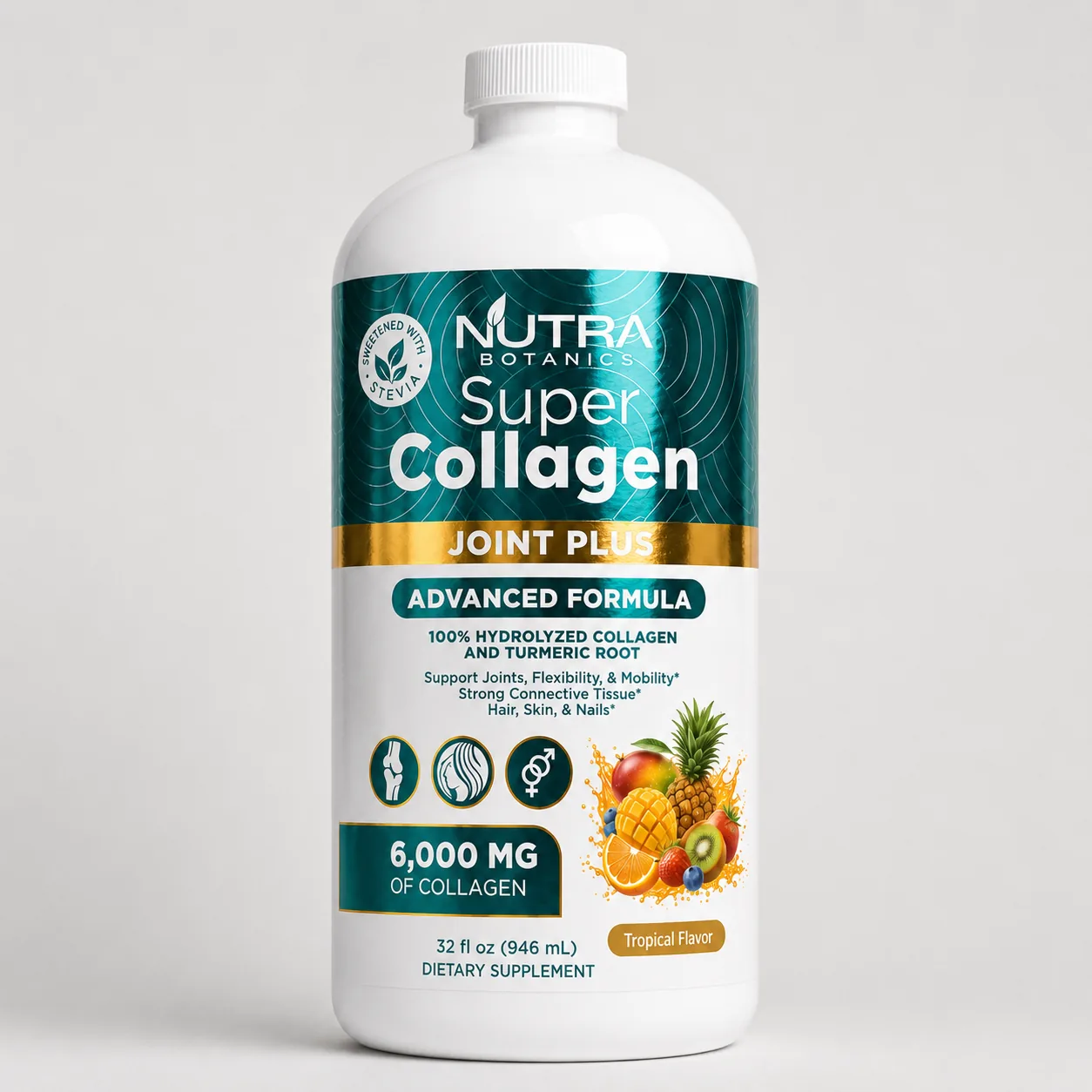
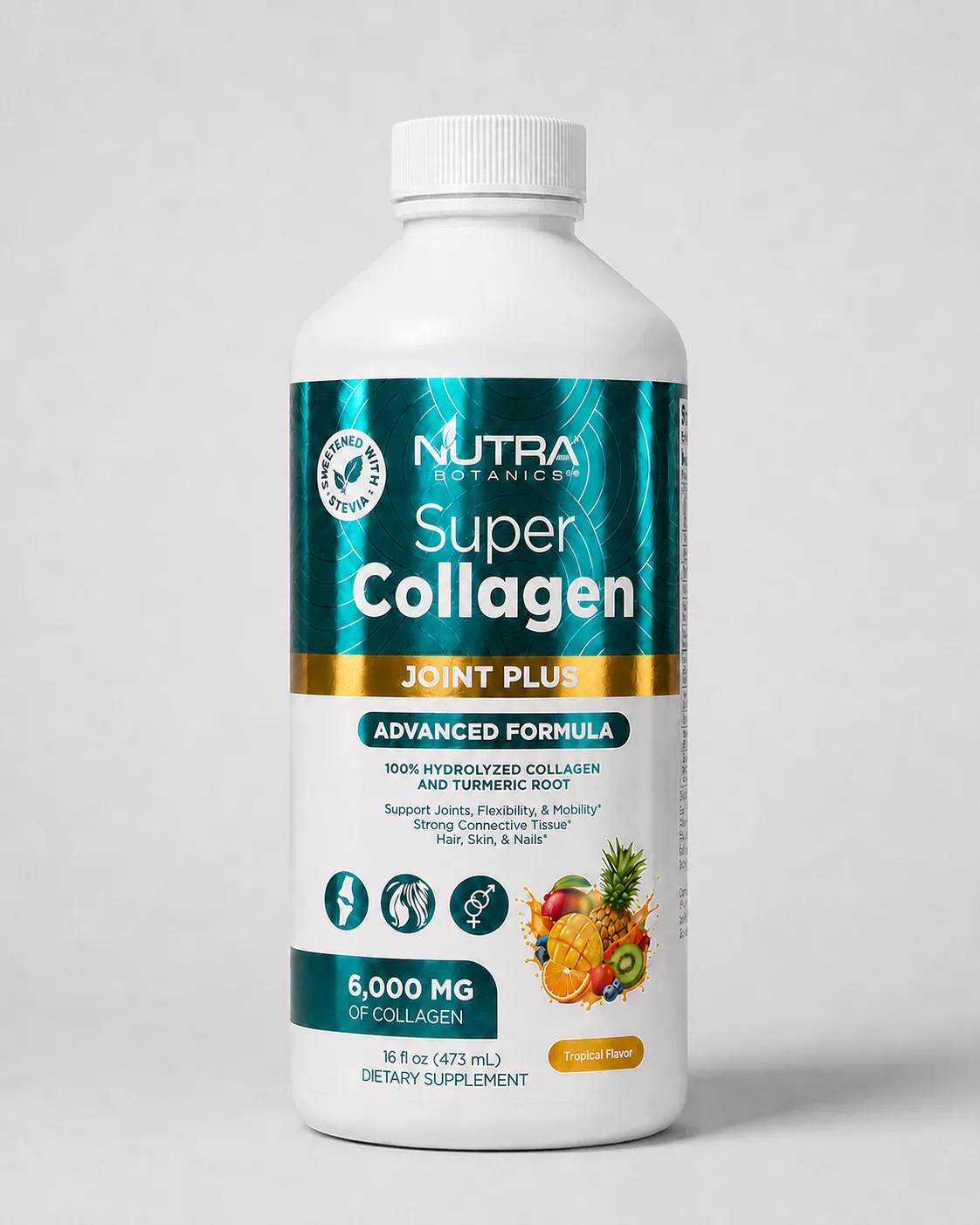
Both Joint Plus labels list 6 g of collagen and 100 mg of vitamin C per 30 mL (two tablespoons). The 16 oz bottle lists 16 servings; the 32 oz bottle lists 32. The larger bottle gives you more labeled servings, not a stronger serving.
Review the full 16 oz formula or 32 oz formula before choosing. If your goal calls for a different formula, browse the shop.
Support the routine with everyday food
Vitamin C supports your body's normal collagen formation. Oranges, peppers and other fruits and vegetables contribute. You do not need an arbitrary high-dose vitamin rule to make a collagen routine count. NIH explains vitamin C and its food sources.
Calcium helps build and maintain bones; vitamin D helps your body absorb calcium. Review food and supplement intake together instead of automatically adding several high-dose products. NIH provides guidance on calcium and vitamin D.
For simple meal ideas, see foods that support collagen production. A manageable routine leaves room for regular meals and the rest of your life.
Make it easy to use as directed
- Pick one goal. Decide what you want to assess, rather than expecting one bottle to address every change after 40.
- Keep the complete label handy. Measure the serving, follow the directions, shake well and keep Joint Plus refrigerated.
- Choose a convenient time. Our timing guide helps you fit the routine around your day.
- Review the fit. Consider ease of use, your budget and your actual experience. A study's calendar is not a personal result deadline.
For serving questions, consult the bottle directions and our collagen amount guide. Do not increase a serving just because a sales page promises faster results.
Find the bottle that fits your routine
Compare the two Joint Plus sizes, labeled servings and current product information together.
Compare Joint Plus bottle sizesQuestions about collagen after 40
Does collagen help with menopause symptoms?
What type of collagen is best for women over 40?
Can collagen help with bone density after menopause?
How long does it take for collagen to work for women over 40?
Is it too late to start collagen after 50?
How much collagen should women over 40 take per day?
Evidence and safety, made clear
A dietary supplement is not a treatment for a medical condition. Review complete labels with your clinician or pharmacist when you take medicines, have a condition or are considering several supplements. FDA explains what supplement claims mean.
This guide links original research and official guidance beside the relevant statements. Study results describe the tested preparation and outcome. They do not establish the same result from the finished Joint Plus blend.
*These statements have not been evaluated by the Food and Drug Administration. This product is not intended to diagnose, treat, cure, or prevent any disease. Individual results may vary.