
Can collagen help your skin? Some trials report better skin moisture, elasticity or wrinkle measurements. Results depend on the preparation and study quality, and stronger quality checks can change the conclusion. Use the research to ask better buying questions, rather than expecting a guaranteed glow.
A clearer way to choose
- Choose a goal: Moisture, elasticity and wrinkle appearance are different outcomes.
- Check the whole formula: Compare labeled servings, every ingredient and the routine it requires.
- Keep the basics: A supplement does not replace suitable skincare, sun protection or a varied diet.
What collagen does in your skin
Collagen is a major protein in the skin's supporting layer. Its fibers help give that layer structure. Human skin research shows that the fibers' arrangement and physical properties matter, not simply a headline percentage of collagen.
That supporting role explains why collagen interests skin researchers. It does not establish that every supplement restores youthful skin. For a buying decision, look at what people actually took and which skin outcome the study measured.
How skin changes with age
A 2023 study compared sun-protected skin from younger and older adults. Older skin had more disrupted collagen fibers and different physical properties. The study examined skin structure; it did not test whether a supplement reverses those changes.
Your age does not calculate a personal collagen dose. Skin concerns around menopause deserve advice based on your symptoms and medical history, rather than a fixed collagen-loss percentage. Sun protection and suitable skincare remain practical parts of your routine.
What the skin studies found
In a 2014 trial, 69 women took 2.5 g or 5 g of a specific collagen preparation, or placebo, daily for eight weeks. Both collagen groups showed improved elasticity versus placebo. Elasticity means how skin stretches and returns.
That trial's skin-moisture and water-loss findings were not statistically significant. In plain terms, those results did not clearly separate from the comparison group. Improved elasticity should not be rewritten as a guaranteed hydration result.
A 2019 review of 11 studies described promising skin findings. A 2021 review of 19 studies favored moisture, elasticity and wrinkles. Different preparations and study periods mean these summaries do not establish one percentage improvement for every formula.
A 2025 review of 23 trials found favorable overall results. However, its high-quality studies and studies without pharmaceutical-company funding showed no significant benefit. Read that distinction alongside the positive findings when deciding how confident a skin claim should be.
A 2026 review of reviews also reported favorable skin findings. Of its 16 included reviews, it rated one high quality, four low and eleven critically low. More research still needs quality checks. Our collagen research guide explains the wider picture.
A July 2026 review of 35 trials found better moisture, elasticity and skin-barrier measurements. Its extra checks made wrinkle and skin-density findings less reliable. For shoppers, a moisture claim and a wrinkle-reduction claim deserve separate evidence, rather than one promise of younger skin.

What happens after you take collagen
Hydrolyzed collagen contains smaller protein pieces, called peptides. In a human digestion study, researchers detected food-derived collagen peptides in blood after people took gelatin hydrolysates. This helps explain digestion, but blood detection alone does not establish a skin result.
A story about absorption is not the same as a human test of smoother skin. It also does not show that over 90% reaches your skin or remains there for 14 days. Ask for the actual outcome study, not just a diagram of the proposed pathway.
Track your routine, not a promised deadline
The eight-week trial measured skin at scheduled visits. Those visits are study follow-ups, not a date when every customer will notice a change. Our collagen study-period guide explains the difference.
| Your goal | What to keep in mind |
|---|---|
| Moisture | Note how dry or comfortable your skin feels. Record skincare changes alongside any new supplement. |
| Elasticity | Researchers measure how skin stretches and returns with instruments. A mirror check cannot quantify that trial result. |
| Appearance | Use similar lighting and angles if you keep photos. Photos can document appearance; they cannot prove what caused a change. |
Make the routine easy to repeat
- Follow the actual label. Use your product's serving directions. Increasing a blend to match a study also increases its other ingredients. Our collagen serving guide shows what to check.
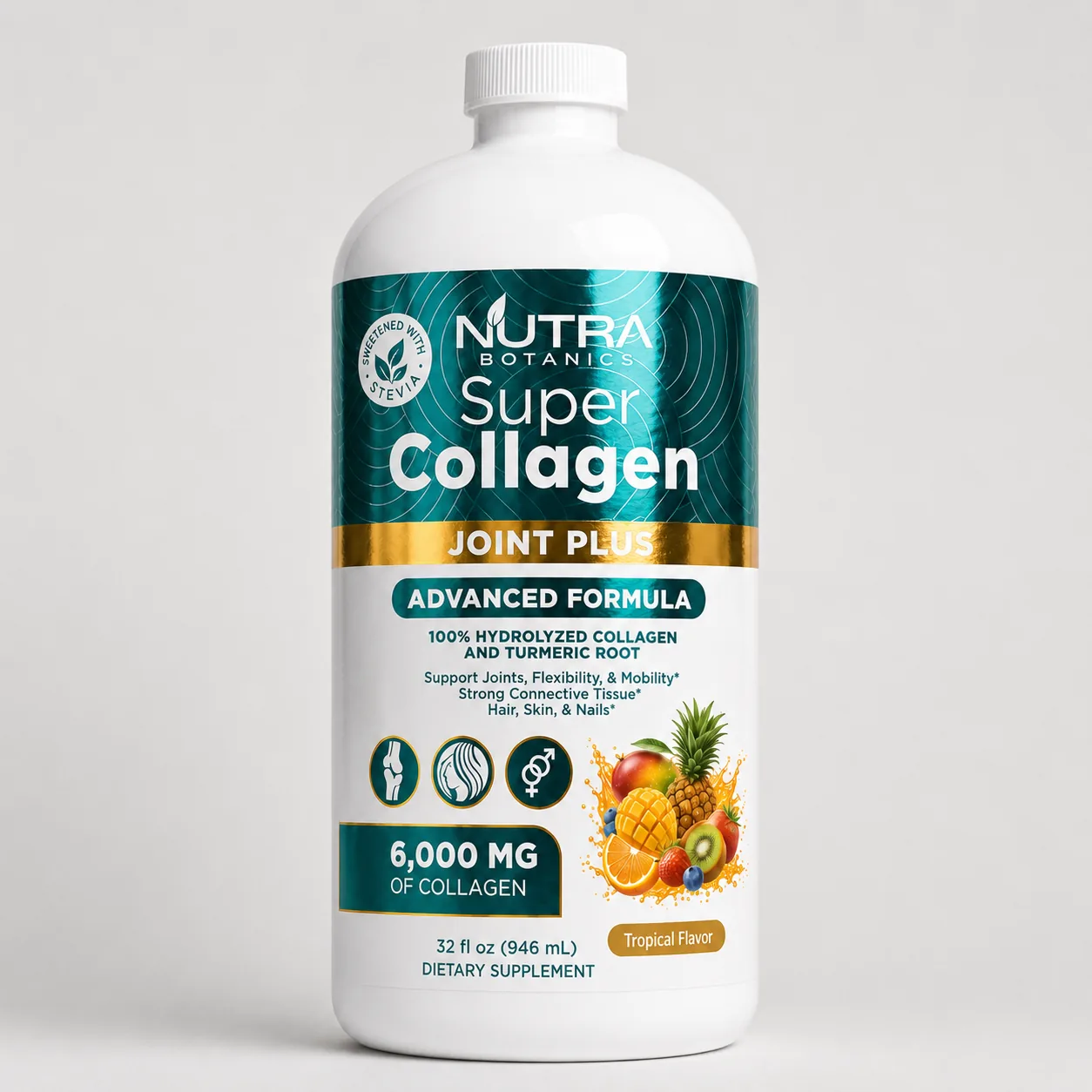
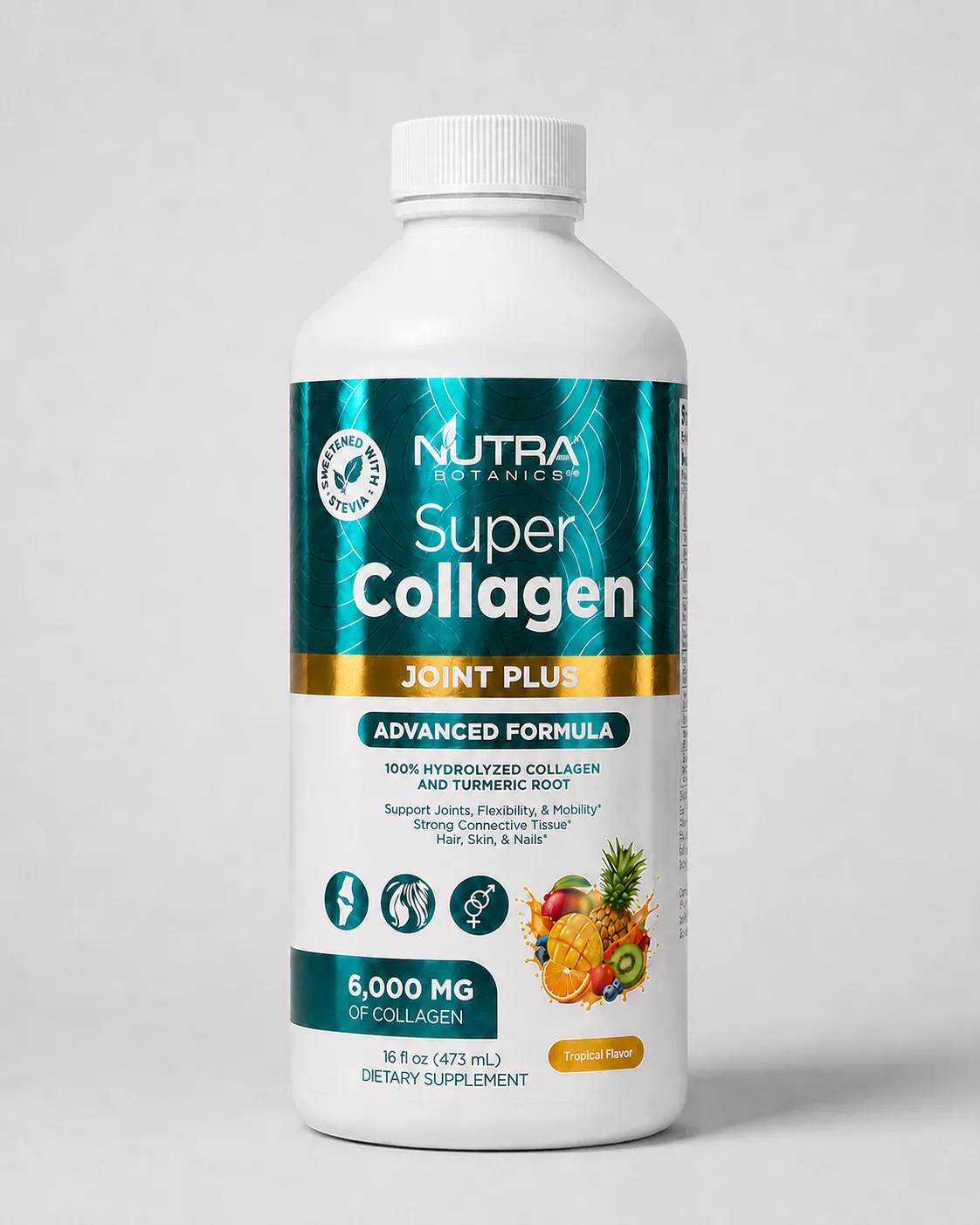
- Check vitamin C before adding more. Vitamin C is needed for normal collagen formation. Joint Plus already lists 100 mg per serving. This nutrient role does not establish faster skin results from extra vitamin C.
- Choose a reminder that fits. Morning and evening can both be practical options when consistent with your directions. See our timing guide, rather than assuming an empty stomach is necessary.
Keep your skin-care foundation
The American Academy of Dermatology recommends a simple routine: gentle cleansing, moisturizing and sun protection. Use products suited to your skin. A collagen supplement does not replace these steps.
For sun protection, seek shade, wear protective clothing and use broad-spectrum sunscreen with SPF 30 or higher on exposed skin. Reapply every two hours or after swimming or sweating. Apply moisturizer to damp skin to help hold in moisture.
Vitamin C is an essential dietary nutrient with a role in collagen formation. A varied diet belongs in the routine too. For food ideas, see foods that support collagen formation; a supplement is an addition to food, not its replacement.
Rest, movement and a manageable routine can be personal priorities. They should not be sold as a calculation that guarantees extra skin collagen. For persistent dryness, irritation or other skin concerns, get advice suited to your needs.
Choose the formula and the routine together
Research on a named peptide preparation is not a clinical trial of this complete blend. Compare the full label, labeled servings and current purchase options so your choice rests on facts you can verify.
Find the bottle that fits your routine
Compare the same formula in two sizes, including the cost per labeled serving.
Compare Joint Plus bottle sizes*These statements have not been evaluated by the Food and Drug Administration. This product is not intended to diagnose, treat, cure, or prevent any disease. Individual results may vary.
Your skin and collagen questions
How long does collagen take to improve skin appearance?
What dose of collagen is best for skin?
Does liquid collagen work better than powder for skin?
Does collagen help with skin elasticity or just hydration?
Can collagen help with acne or other skin conditions?
Should I use collagen cream or take collagen supplements for skin?
Sources and safe use
Read the full package warnings. Review supplements with your healthcare professional if you take medicines, are pregnant or nursing, or manage a health condition. Ingredients can interact with medicines or each other. If you experience a bad reaction, stop use and seek medical advice.
Research and guidance used here
- 2023 human skin collagen structure study
- 2014 skin elasticity and moisture trial
- 2019 skin outcome review
- 2021 skin outcome review
- 2025 study quality and funding review
- 2026 review of reviews
- 2005 human digestion study
- NIH vitamin C guidance
- AAD skin-care basics
- July 2026 skin outcome review
- FDA supplement consumer guidance