
If you've ever skipped creatine because you were afraid of getting bulky, gaining water weight, or taking something "meant for bodybuilders," you're not alone — and you're also operating on outdated information. Creatine is one of the most researched supplements in existence, and the evidence for women is compelling in ways that go far beyond the gym.
This guide breaks down what creatine actually does for women, what the research shows, and how to use it effectively — without the bro-science filler.
Key Takeaways
- Creatine does not make women bulky — muscle growth requires progressive overload training, not just supplementation
- Women have about 70–80% less creatine stored in their muscles than men, making supplementation especially impactful
- Research shows benefits for strength, cognitive function, mood, bone density, and menopausal symptoms
- A standard dose of 3–5g/day is effective and well-tolerated for most women
- Benefits tend to build over 4–8 weeks of consistent daily use
Related reading: Creatine for Beginners, How to Take Creatine, When to Take Creatine, Creatine Loading Phase.
Debunking the Fears Women Have About Creatine
The fitness industry has done women a disservice by marketing creatine almost exclusively to men. Most either ignore it entirely or approach it with unfounded anxiety. Three concerns come up most often.
Three common myths
- Creatine will make me look bulky or masculine. — In reality, producing a bulky physique requires years of progressive overload and a sustained caloric surplus; supplementation alone cannot get you there.
- The weight gain from creatine is fat. — The initial 1–2 lb shift is water stored inside muscle cells, not adipose; that intramuscular fluid tracks with performance, not bloat.
- Creatine is a steroid or a hormone disruptor. — Creatine is a naturally occurring amino-acid compound synthesized by the liver; it does not affect estrogen, progesterone, or testosterone.
Women store roughly 70–80% less intramuscular creatine than men — supplementation doesn't merely help, it meets a measurable deficit the research has documented for decades.
Muscle Tone and Strength Benefits
When women strength train with creatine supplementation, research consistently shows greater gains in lean mass, strength, and performance compared to training without it. A 2021 meta-analysis found that women using creatine during resistance training gained significantly more upper-body strength than placebo groups — without gaining unwanted fat mass.
Creatine works by replenishing phosphocreatine in muscles, which powers short, intense efforts — the kind involved in lifting, sprinting, and interval training. More available phosphocreatine means more reps completed, more weight moved, and greater stimulus for muscle adaptation over time.
Importantly, the aesthetic result for most women isn't bulk — it's the look of defined, toned muscle with lower body fat percentage. Creatine accelerates this process by improving training output without adding adipose tissue.
Cognitive and Mood Benefits
This is where things get particularly interesting for women. The brain also uses creatine as an energy buffer, and women appear to be more responsive to creatine's cognitive effects than men in several studies.
Research from the University of Sydney found that creatine supplementation improved memory performance significantly — and the effect was stronger in women and vegetarians (who also tend to have lower baseline creatine levels). A 2023 review in Nutrients confirmed benefits for processing speed, working memory, and resistance to mental fatigue under sleep deprivation.
There's also emerging data on mood and depression. Creatine influences brain bioenergetics and may support serotonin and dopamine metabolism. Several small trials have found that creatine supplementation reduces depressive symptoms — with one Harvard study showing accelerated antidepressant response in women taking creatine alongside SSRIs.
Research Snapshot
Creatine's Measured Effect Across Women's Key Domains
Average improvement vs. placebo across controlled trials in women. Hover any bar for the source.
*Combined with resistance training. Individual results vary. Not medical advice.
Bone Health and Injury Resilience
Osteoporosis affects women at far higher rates than men, and it's an area where creatine may provide meaningful support. While creatine isn't a replacement for calcium, vitamin D, or weight-bearing exercise, research suggests it works synergistically with resistance training to improve bone mineral density markers.
A landmark RCT published in Medicine & Science in Sports & Exercise found that postmenopausal women who combined creatine with resistance training showed significantly greater gains in femoral neck bone density compared to exercise alone. The proposed mechanism: creatine improves the quality and intensity of resistance training sessions, which drives greater bone adaptation.
Creatine also appears to support muscle integrity in ways that reduce fall risk — a key factor in fracture prevention as women age.
Perimenopause and Menopause Support
The years around menopause bring dramatic hormonal shifts — and creatine's benefits become even more relevant during this transition. Declining estrogen accelerates both muscle loss (sarcopenia) and bone density reduction. Creatine directly counteracts both of these effects when combined with resistance training.
A 2022 review specifically examining creatine in menopausal women found evidence supporting its use for preserving lean mass, improving functional strength, and reducing fatigue — all without negative hormonal effects. The authors noted that creatine may be one of the most under-utilized tools available to women during and after menopause.
Cognitive benefits also become especially important during this phase, as many women report "brain fog" during perimenopause — a period when brain energy metabolism shifts. Creatine's role in cerebral ATP production may offer meaningful support here.
Dosing Protocol for Women
Women do not need a different form of creatine than men. Creatine monohydrate — the most studied, most affordable, and most effective form — is the right choice. See our creatine beginner's guide for a full breakdown of forms and why monohydrate wins.
Who Benefits Most
Training
Strength Trainers
More reps completed, heavier lifts tolerated, faster strength adaptation over weeks of consistent work.
Cognition
Demanding Mental Loads
Better working memory and sharper resistance to mental fatigue — especially under sleep deprivation.
Diet
Vegetarians & Vegans
Lower baseline creatine from reduced dietary intake — supplementation produces the largest measured effect.
Life Stage
Perimenopausal Women
Supports muscle, bone, and cognitive function through the estrogen decline of the menopausal transition.
If you're also taking collagen for skin or joint support, creatine and collagen stack well together — they serve completely different mechanisms. See our guide on collagen for women over 40 for more on that combination.
Frequently Asked Questions
Will creatine make me bulky or look like a bodybuilder?
No. "Bulky" muscle requires years of progressive overload training, high calorie intake, and significant hormonal factors. Creatine supports lean muscle quality and strength output, but it cannot produce the physique associated with competitive bodybuilding — especially in women, who have much lower testosterone than men. Most women using creatine report looking more toned and defined, not bigger.
What's the best time for women to take creatine?
Timing is not the critical variable — consistency is. Take 3–5g any time that fits your daily routine. Some research suggests post-workout may offer a slight edge on training days, but the difference is small. If you forget post-workout, take it whenever you remember. Daily intake is far more important than the hour you take it.
Should I adjust my creatine dose based on my hormonal cycle?
Current research doesn't show a clear benefit to cycling creatine with your menstrual cycle, but some practitioners suggest slightly higher intake during the luteal phase (the 2 weeks before your period) when energy and mood can dip. The standard 3–5g/day protocol works consistently across the entire cycle without modification.
Is creatine better than collagen for women?
They serve entirely different purposes and work best together. Creatine supports intramuscular energy, strength, and cognitive function. Collagen supports skin elasticity, joint health, and connective tissue integrity. If you're choosing between them for a single goal, match the supplement to your priority — but there's no reason you can't take both.
Is creatine safe for women to take long-term?
Yes. Creatine monohydrate has one of the strongest long-term safety profiles of any supplement. Studies lasting up to 5 years show no adverse effects on kidney, liver, or hormonal function in healthy individuals. The International Society of Sports Nutrition classifies creatine as safe and effective for long-term use. As always, consult your physician if you have pre-existing kidney conditions.
Can women over 40 benefit from creatine?
Especially so. Women over 40 face declining estrogen, accelerating muscle loss, and reduced bone density — all areas where creatine research shows direct benefit. Combined with resistance training, creatine is one of the most evidence-backed tools available for preserving functional strength, supporting bone health, and maintaining mental sharpness as you age. Also see our article on why creatine is the most misunderstood supplement for more context.
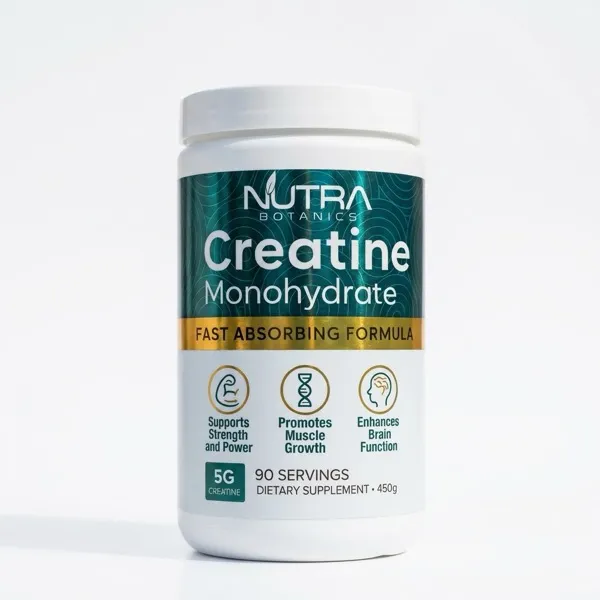
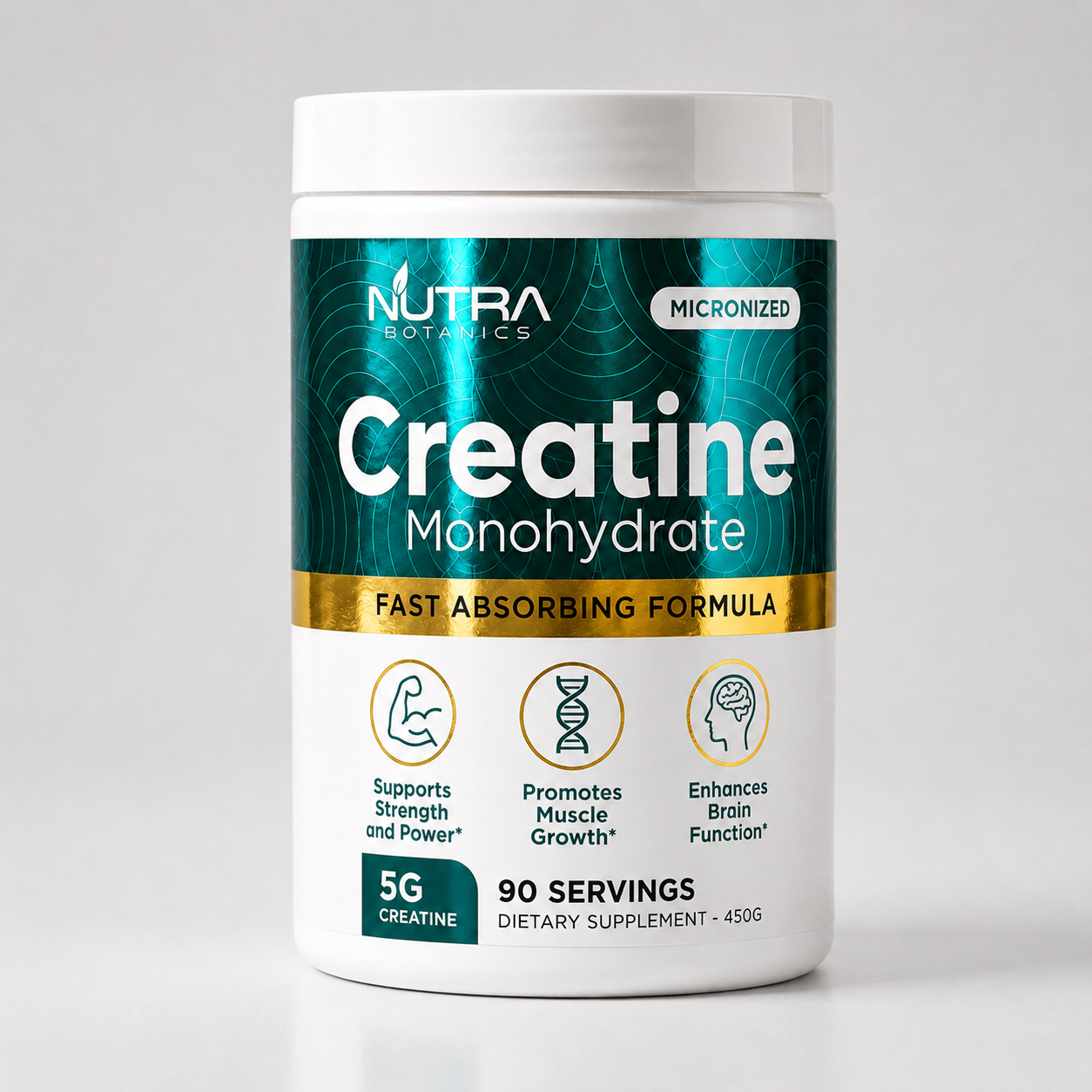
Creatine Monohydrate
Micronized · 60 servings
- 5g pure micronized monohydrate per serving
- Unflavored · mixes clean in any liquid
- GMP & NSF certified · PhD-supervised testing
- No fillers, stimulants, or artificial additives
$29.95Free shipping over $75
Shop Creatine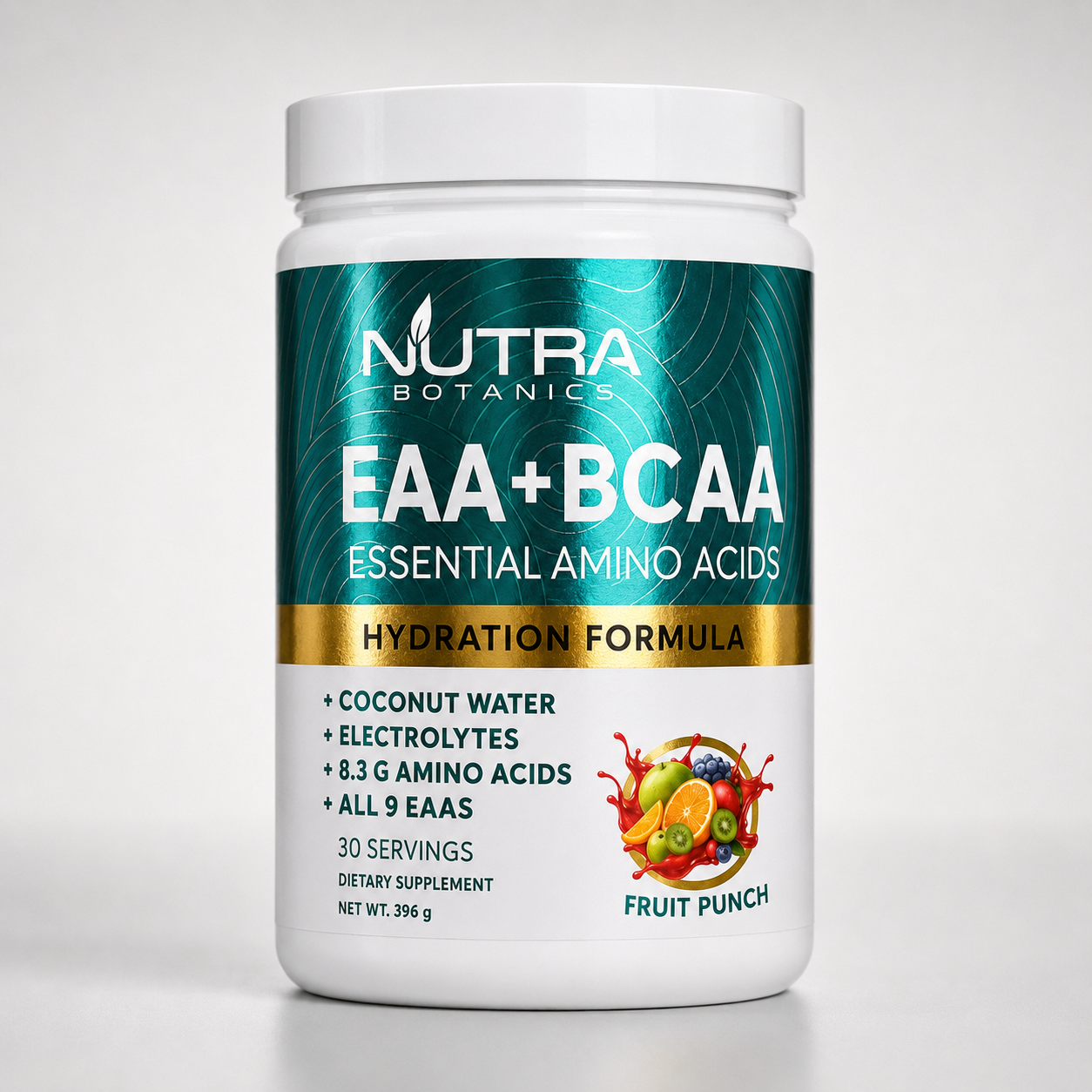
EAA Complex
Recovery · 30 servings
- All 9 essential amino acids for muscle repair
- Electrolytes for sustained hydration
- Zero sugar · light citrus flavor
- Pairs with creatine for optimal training support
$34.95Subscribe & save 20%
Shop EAA Complex