
Essential amino acids (EAAs) are the nine amino acids your body cannot manufacture on its own — they must come from food or supplements. They're the raw material your body uses to repair tissue, build muscle, support the immune system, and produce neurotransmitters.
EAA supplements have surged in popularity over the last decade as research has revealed advantages over the older BCAA-only formulas. Here's what they actually do, when they help, and who benefits most.
Key Takeaways
- EAAs contain all 9 essential amino acids needed for full muscle protein synthesis
- Studies show EAAs trigger a stronger and more sustained muscle-building signal than BCAAs alone*
- Most research uses 6–15g per serving, taken around training sessions or between meals
- EAAs are especially valuable for people training fasted, eating low protein, or recovering from high-volume work
Related reading: BCAA Benefits, BCAA Dosage, BCAA for Women, Best Time to Take BCAAs.
What EAAs Are
The nine essential amino acids are: leucine, isoleucine, valine (the three BCAAs), plus lysine, methionine, phenylalanine, threonine, tryptophan, and histidine. Each has unique roles — leucine is the primary trigger for muscle protein synthesis, lysine supports tissue repair, tryptophan converts to serotonin, and so on.
Unlike BCAAs (which contain only 3 of the 9), EAA supplements provide the complete pool your body needs to actually use those amino acids for protein construction.
Muscle Protein Synthesis
Research published in the Journal of the International Society of Sports Nutrition has shown that EAAs produce a more sustained and complete muscle protein synthesis (MPS) response compared to BCAAs. The reason is straightforward: building new muscle protein requires all 9 essential amino acids — supply only 3 and the body still has to find the other 6 somewhere (often by breaking down existing muscle tissue).*
For trained adults, doses of 6–10g of EAAs taken near training have shown comparable MPS to a 20–25g serving of whey protein in some studies — at a fraction of the calories.
Recovery and Soreness
Several controlled trials have reported that EAA supplementation can reduce post-exercise muscle soreness and accelerate the return of force production after high-intensity training. This recovery support is particularly relevant for athletes training multiple times per day, in two-a-days, or during competition phases.
Performance and Endurance
Beyond resistance training, EAAs have research support for endurance contexts. They can help maintain blood amino acid levels during long sessions, reduce the perceived fatigue associated with central nervous system tryptophan accumulation, and preserve lean tissue during caloric restriction.*
Who Should Take EAAs
EAAs offer the most value for: trained adults doing high-volume resistance work, athletes in two-a-day or multi-session training blocks, people in a caloric deficit (cutting), older adults concerned with sarcopenia, and anyone training fasted or with low overall protein intake. People who already eat a high-protein diet (1g per pound of bodyweight or more) may see smaller relative effects.
Frequently Asked Questions
Do EAAs build more muscle than BCAAs?
How much EAA should I take per serving?
Can I take EAAs and protein powder together?
Are EAAs necessary if I eat a high-protein diet?
Do EAAs break a fast?
Are EAAs safe for daily use?
BCAA Plus
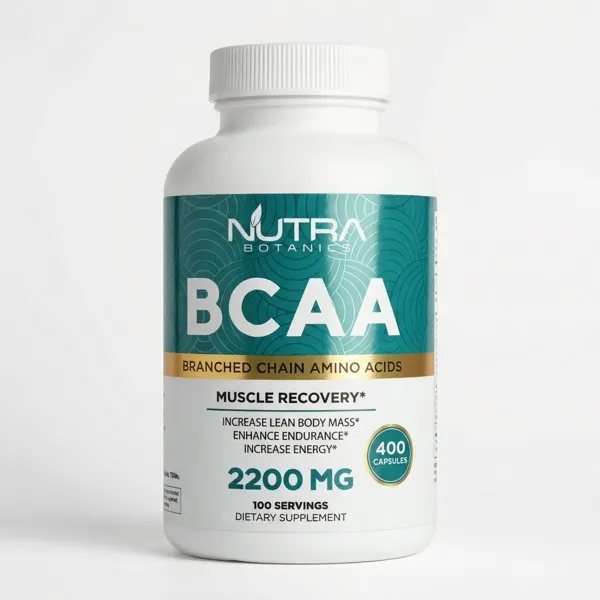
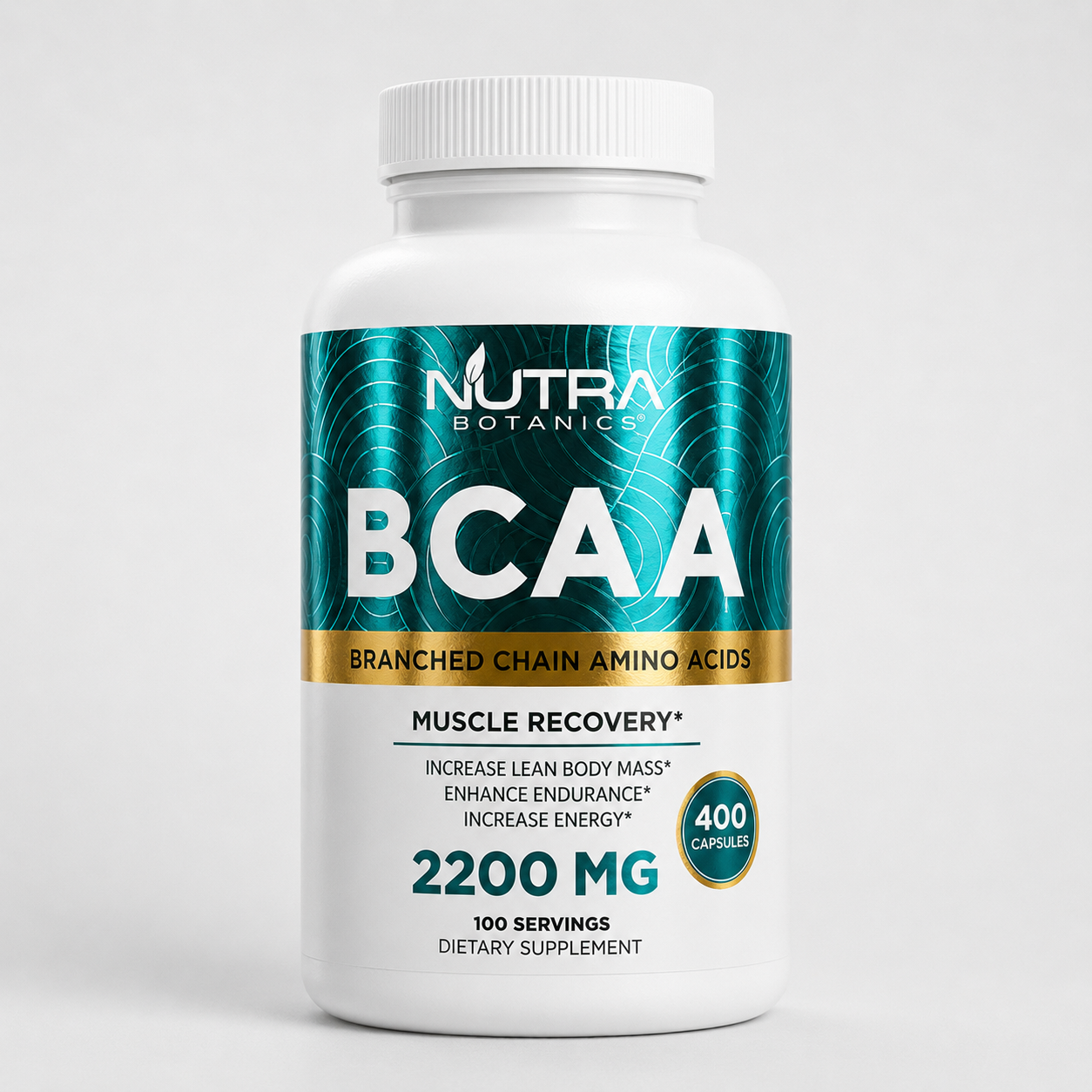
2:1:1 ratio · 30 servings
- 5g BCAAs per serving (leucine, isoleucine, valine)
- Clinically studied 2:1:1 ratio for muscle protein synthesis
- Supports endurance, recovery, and lean mass preservation
- GMP & NSF certified · PhD-supervised testing
$29.95Free shipping over $75
Shop BCAA Plus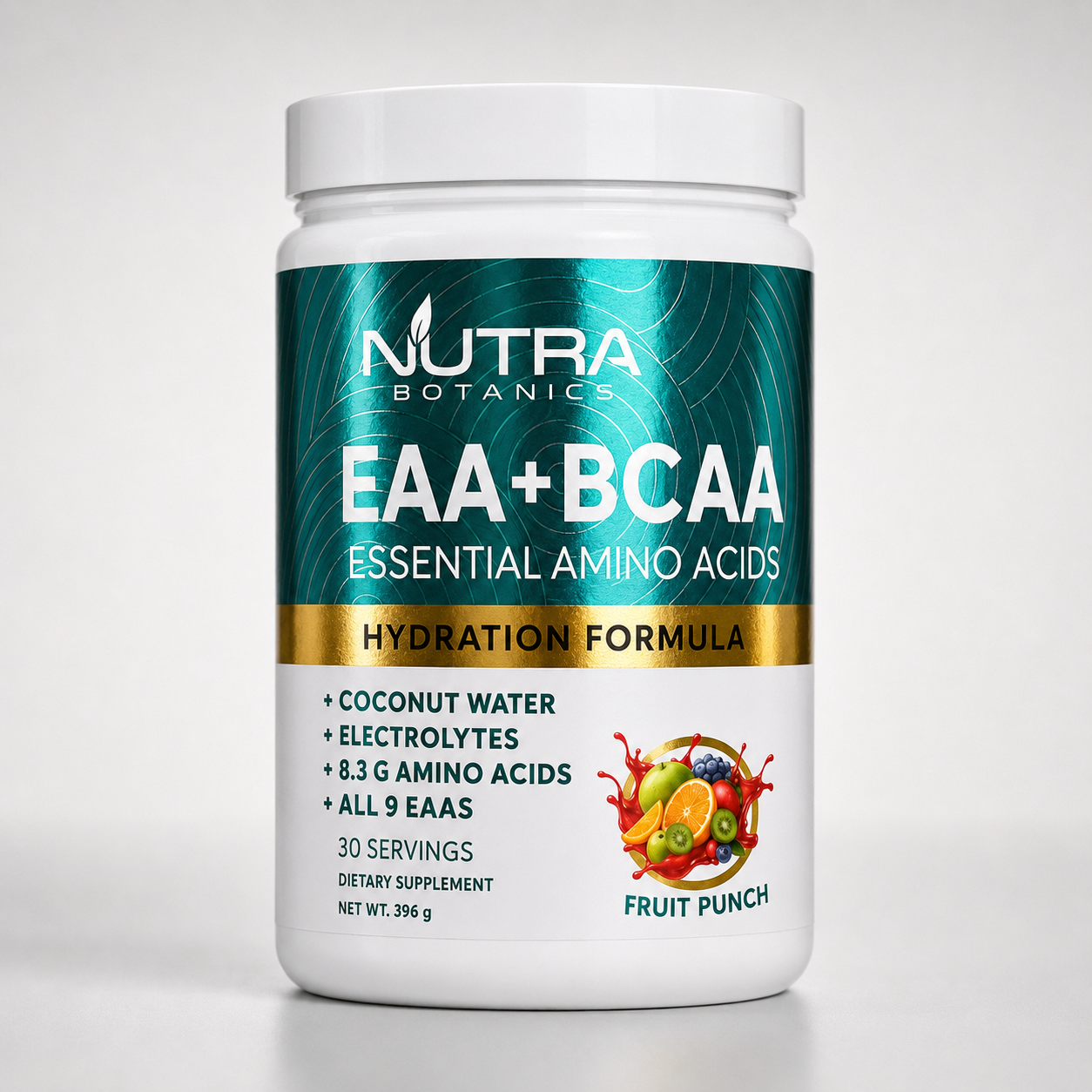
EAA Complex
All 9 essentials · 30 servings
- Complete essential amino acid profile (all 9 EAAs)
- Stronger MPS response vs. BCAAs alone in research
- Ideal for serious lifters, athletes, and fasted training
- GMP & NSF certified · PhD-supervised testing
$34.95Free shipping over $75
Shop EAA Complex