For most of the last 20 years, BCAAs were the default amino acid supplement for lifters and athletes. Then EAA research caught up — and the picture changed. Today the question isn't really "BCAAs or EAAs" so much as "do you have a specific reason to choose BCAAs over the more complete option?"
This guide breaks down the actual difference, what the head-to-head research shows, and where each one still has a role.
Key Takeaways
- BCAAs contain 3 amino acids; EAAs contain all 9 essential amino acids your body cannot make
- Research shows EAAs produce a stronger and more sustained muscle protein synthesis response than BCAAs alone*
- BCAAs still have a niche for cost-conscious users and certain endurance scenarios
- For most lifters and athletes today, EAAs are the better default choice
Related reading: BCAA Benefits, BCAA Dosage, BCAA for Women, Best Time to Take BCAAs.
The Core Difference
BCAAs (branched-chain amino acids) refer to leucine, isoleucine, and valine — three of the nine essential amino acids. EAAs include those three plus six more: lysine, methionine, phenylalanine, threonine, tryptophan, and histidine.
The practical implication: EAAs supply the complete amino acid pool your body needs to construct new protein. BCAAs supply only the trigger (leucine) plus two cofactors. With BCAAs alone, your body still has to source the other 6 amino acids — often by breaking down existing muscle tissue.
Muscle Protein Synthesis Showdown
The most cited head-to-head: a 2017 study in Frontiers in Physiology compared 6g of EAAs vs. 6g of BCAAs in trained men. Result: EAAs produced a roughly 50% greater MPS response — and the response stayed elevated longer.*
Multiple follow-up trials have echoed this finding. The conclusion across the literature is consistent: leucine alone (or BCAAs alone) starts the muscle-building signal, but completing the response requires the full complement of essential amino acids.
When BCAAs Still Make Sense
BCAAs are not obsolete. They still have a defensible role when: cost is a major factor (BCAA tubs are typically cheaper per serving), you want a flavored intra-workout drink and don't need full MPS support, or for specific endurance scenarios where reducing central fatigue from tryptophan crossover is the primary goal.
For most resistance-training contexts, however, the small price difference doesn't outweigh the muscle-building advantage of complete EAAs.
Cost and Practicality
Per gram, EAAs typically cost 30–60% more than BCAAs. Per effective dose for muscle protein synthesis, that gap shrinks because you may need a smaller serving of EAAs to achieve the same MPS response. For athletes valuing recovery and tissue repair over taste or volume, EAAs win the cost-per-outcome math.
The Bottom Line
If you're choosing today and your goal is muscle preservation, growth, or recovery, default to EAAs. Pick BCAAs only when budget is the deciding factor or when you want a no-stim flavored hydrator that you'll actually drink during long sessions.
Frequently Asked Questions
Are EAAs really better than BCAAs?
Can I just take leucine instead of EAAs?
Should I switch from BCAAs to EAAs?
Can I take EAAs and BCAAs together?
Do EAAs have stimulants?
How much should I take?
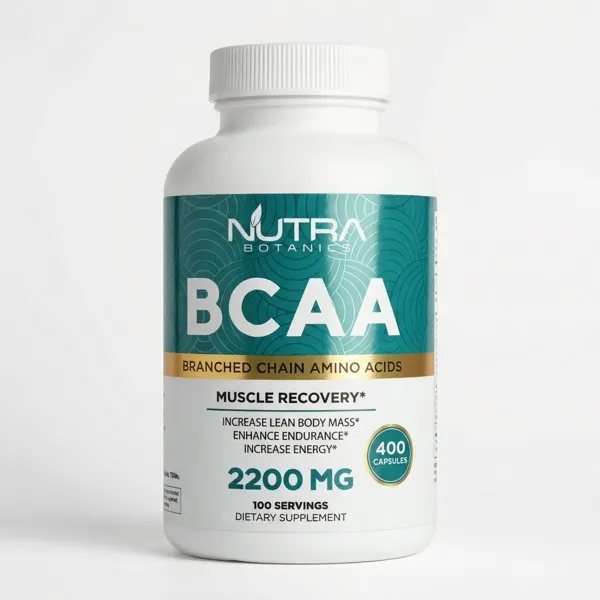
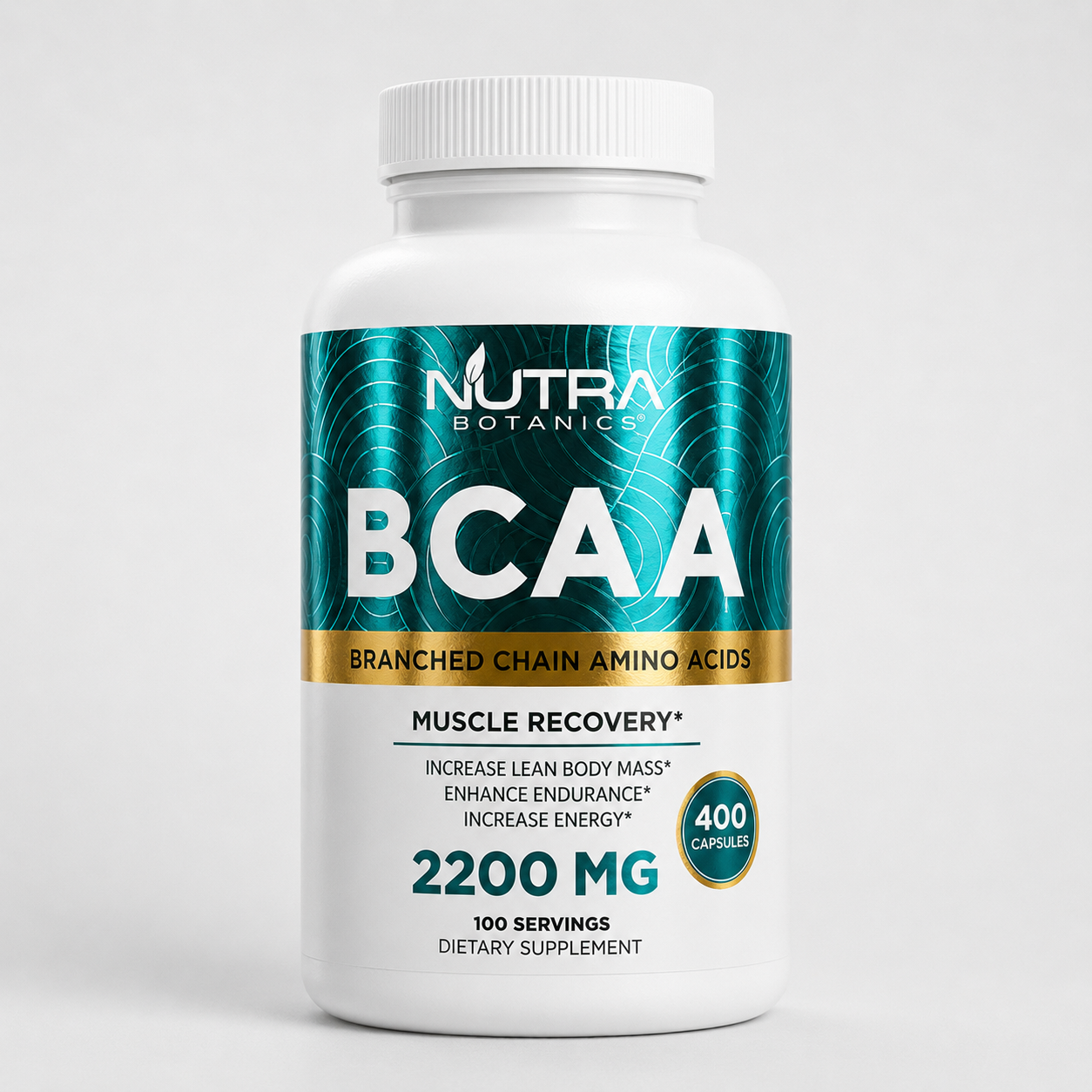
BCAA Plus
2:1:1 ratio · 30 servings
- 5g BCAAs per serving (leucine, isoleucine, valine)
- Clinically studied 2:1:1 ratio for muscle protein synthesis
- Supports endurance, recovery, and lean mass preservation
- GMP & NSF certified · PhD-supervised testing
$29.95Free shipping over $75
Shop BCAA Plus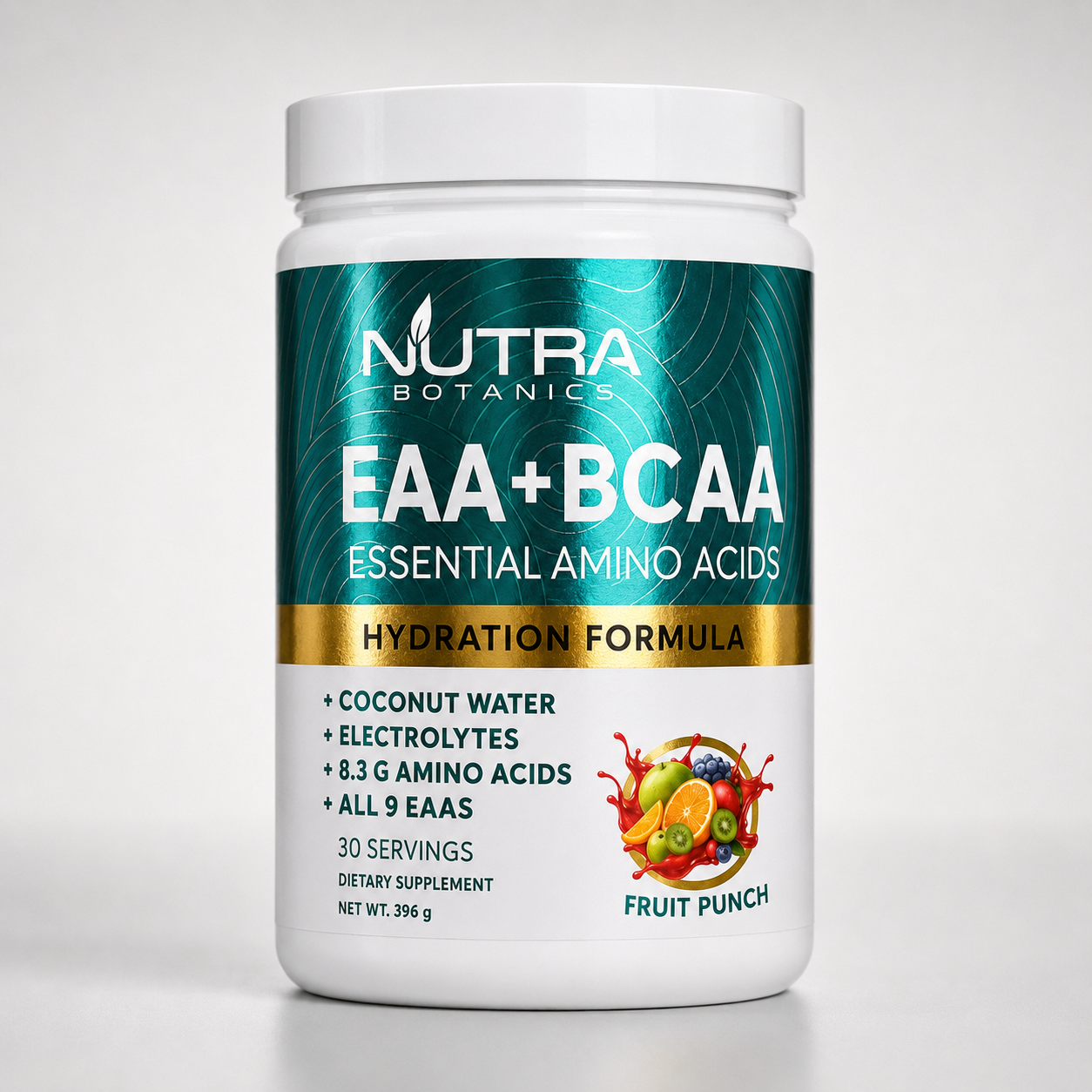
EAA Complex
All 9 essentials · 30 servings
- Complete essential amino acid profile (all 9 EAAs)
- Stronger MPS response vs. BCAAs alone in research
- Ideal for serious lifters, athletes, and fasted training
- GMP & NSF certified · PhD-supervised testing
$34.95Free shipping over $75
Shop EAA Complex