Get research-backed answers about metabolism after 40: why it slows & fixes. This guide addresses the most common questions based on current evidence.
Key Takeaways
- Metabolism drops 2–5% per decade — much of which is driven by muscle loss, not age directly
- Resistance training can offset most of the decline by preserving metabolically active muscle tissue
- Hormonal shifts (perimenopause, andropause) affect energy expenditure and require different nutrition strategies
- Protein needs rise with age — 1.6–2.2g per kg bodyweight to preserve lean mass after 40
- Sleep, stress management, and daily movement (NEAT) matter more after 40 than in earlier decades
Related reading: How to Boost Your Metabolism, Metabolism Supplements: Studied vs Hype, Signs of a Slow Metabolism, Green Tea Extract and Metabolism.
What Actually Changes After 40
The common narrative is that metabolism simply slows after 40. The honest picture from the research is more nuanced. A landmark 2021 study by Pontzer and colleagues in Science measured total daily energy expenditure across 6,400 people ranging from newborn to 95 years old and found that basal metabolism per unit of lean mass stays remarkably stable from age 20 to 60. The apparent slowdown most people experience in their 40s is not a primary metabolic aging effect — it is the downstream consequence of losing muscle, moving less, and navigating hormonal shifts.
This matters because it changes what you can do about it. If the underlying biology were simply "metabolism declines with age," there would be little to intervene on. Because most of the decline is driven by modifiable factors (muscle mass, NEAT, hormonal stress), the practical levers are actually well within reach.
The three primary drivers of apparent metabolic slowdown after 40: loss of lean muscle mass, reduction in daily non-exercise activity (NEAT), and hormonal shifts affecting cortisol, thyroid, and sex hormones.
Muscle Loss Is the Biggest Lever
Adults typically lose 3–8% of their muscle mass per decade after age 30, a process called sarcopenia. Muscle is metabolically expensive tissue — a kilogram of muscle burns roughly 13 kcal per day at rest, while a kilogram of fat burns about 4.5 kcal. Losing 3kg of muscle across a decade translates to roughly 40 fewer kcal burned per day at rest, plus reduced capacity for the daily activity that drives the largest portion of total energy expenditure.
The correction is straightforward: resistance training 2–4 times per week preserves and rebuilds muscle at nearly the same rate as in younger adults. A 2011 review by Peterson and colleagues in Medicine & Science in Sports & Exercise found that resistance training produced meaningful lean mass gains in adults aged 50–80 across multiple independent trials.
The practical implication: if you are 40+, resistance training is not optional for metabolic health — it is the single highest-impact intervention available. Cardio alone does not preserve muscle mass, and in a caloric deficit, cardio without resistance training accelerates muscle loss.
Why Protein Needs Rise With Age
Older adults experience a phenomenon called anabolic resistance — the same dose of protein produces a smaller muscle protein synthesis (MPS) response than it does in younger adults. This means the 0.8g/kg RDA, which was calibrated primarily to younger populations, is significantly inadequate for maintaining lean mass after 40.
Research by Moore and colleagues (2015, The Journals of Gerontology) established that adults over 40 need 30–40g of high-quality protein per meal to maximally stimulate MPS, compared to 20–25g in younger adults. Daily protein intake of 1.6–2.2g per kg bodyweight — split across 3–4 meals — is the range that best preserves lean mass after 40.
Leucine content matters particularly. Animal proteins (whey, dairy, eggs, meat) hit the leucine threshold easily; plant proteins often require larger quantities or strategic pairing to deliver the same anabolic signal. For plant-based eaters over 40, blending multiple protein sources per meal is more important than it was in earlier decades.
NEAT and Daily Movement
Non-exercise activity thermogenesis (NEAT) — the calories burned through walking, fidgeting, standing, and incidental movement — can account for 15–50% of total daily energy expenditure. It is also the component that declines most significantly with age, partly due to changes in lifestyle (more sedentary work, less walking for transport) and partly due to reduced subconscious movement.
Research by Levine and colleagues (1999, Science) established the magnitude: the difference between low-NEAT and high-NEAT individuals can be 2,000+ calories per day, larger than what most formal exercise produces. For adults over 40, protecting NEAT is a quiet but powerful metabolic strategy.
Practical interventions: walking 30+ minutes daily outside formal exercise, standing during phone calls, taking stairs, and tracking steps with a target of 7,000–10,000 per day. These small daily behaviors drive more total energy expenditure than most short workouts.
Hormonal Shifts That Change the Math
Perimenopause (typically 40s for women) and andropause (gradual testosterone decline in men) both affect metabolic rate, body composition, and recovery capacity. Estrogen decline in women contributes to visceral fat redistribution and insulin resistance; testosterone decline in men reduces muscle protein synthesis and energy.
Cortisol also tends to rise with age due to accumulated sleep deprivation, work stress, and reduced recovery. Chronically elevated cortisol suppresses thyroid hormone conversion, promotes visceral fat storage, and reduces muscle protein synthesis — a compound effect that worsens apparent metabolic slowdown.
The interventions: prioritize sleep (7–9 hours), manage stress through training and recovery, and consider targeted supplementation (vitamin D, magnesium, ashwagandha for cortisol) when deficiencies are present. Hormone replacement is an option that should be discussed with a healthcare provider when symptoms persist despite lifestyle interventions.
A Practical Metabolic Protocol After 40
The evidence-backed protocol for protecting metabolism after 40 is simple but non-negotiable. Resistance training 3–4 days per week, targeting compound movements (squat, hinge, push, pull). Protein at 1.6–2.2g per kg bodyweight, split across 3–4 meals. Daily walking of 7,000+ steps. Sleep of 7–9 hours. And consistent stress management — through training, time outdoors, and limiting chronic low-grade stressors.
On top of this foundation, supplement gaps that deficiency testing identifies: vitamin D, magnesium, omega-3s, and adequate calcium are the most common. Creatine at 3–5g/day supports lean mass and cognitive function, with particularly strong evidence after 40. Collagen at 10–20g/day supports joint integrity during the decades when connective tissue demand is highest.
Done consistently, this protocol preserves metabolic capacity through the 40s and 50s at rates comparable to younger adults. The decline framed as inevitable is, for most people, primarily behavioral — which means it is also primarily reversible.
Frequently Asked Questions
Does metabolism slow after 40?
How do I lose weight after 40?
Why is it harder to lose weight after 40?
What is the best exercise for metabolism after 40?
Does protein help metabolism after 40?
What supplements support metabolism after 40?
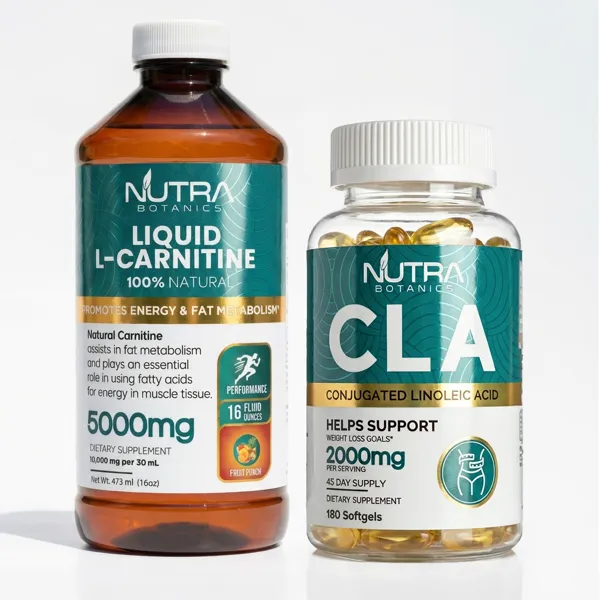
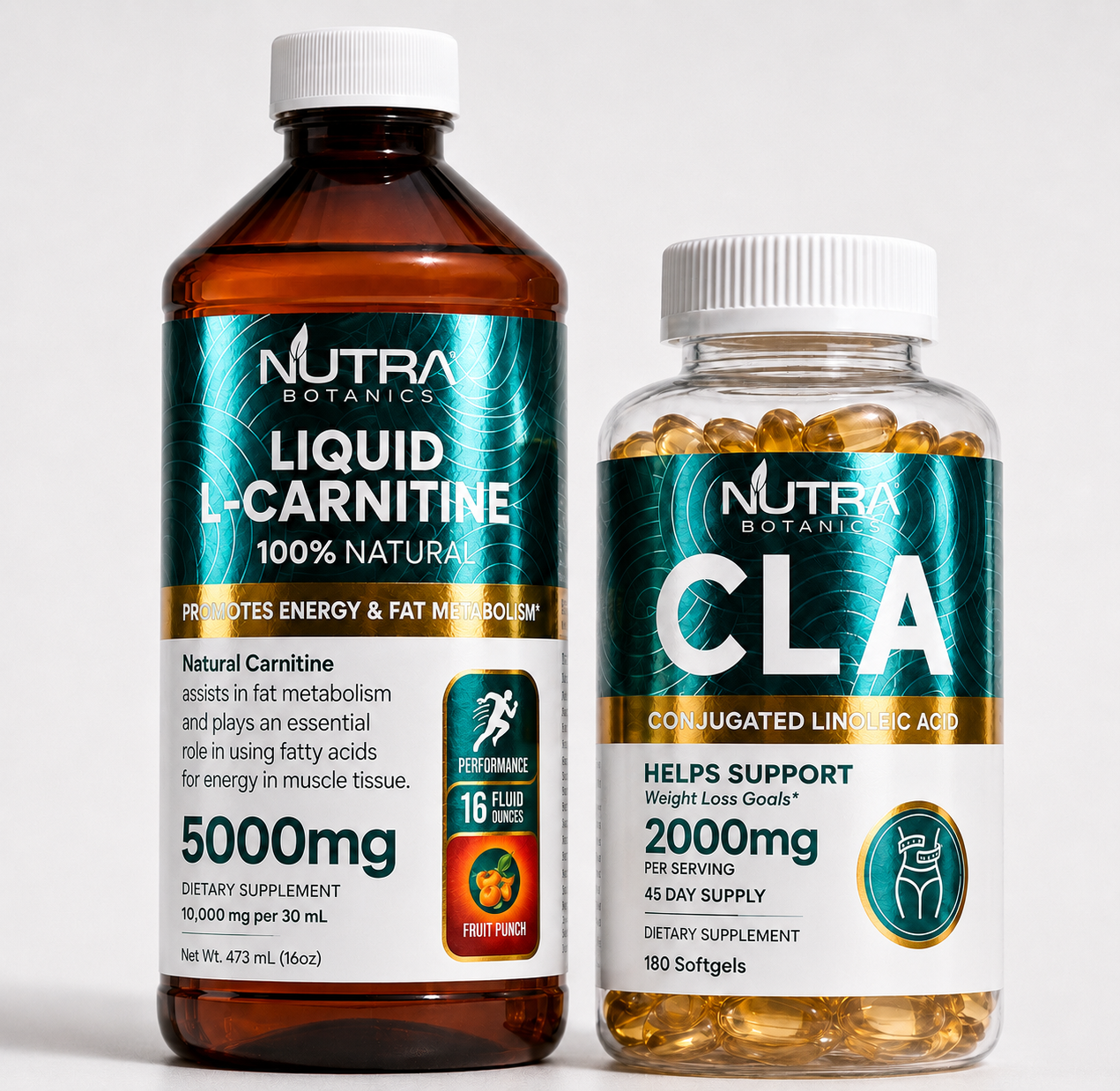
Metabolism Booster Bundle
L-Carnitine 5000mg + CLA 2000mg · Dual-pathway support
- L-Carnitine supports fat transport into mitochondria
- CLA provides a complementary body-composition pathway
- Non-stimulant · bundle saves $11.99 vs individual
- GMP & NSF certified · PhD-supervised testing
See bundle pricingFree shipping over $75
Shop Metabolism Bundle
Explore Metabolism Support
Browse the Nutra Botanics metabolism range
- L-Carnitine, CLA, and bundle options
- Compare formats, dosing, and stack partners
- Non-stimulant pathway options
- GMP & NSF certified · PhD-supervised testing
Shop the rangeSubscribe & save 20%
Browse Metabolism