
Key Takeaways
- Protein (20–30g per meal) produces the strongest satiety signal of any food category
- Soluble fibers — especially glucomannan and psyllium — expand in the stomach and slow gastric emptying
- Green tea extract and caffeine modestly reduce appetite, particularly in non-habitual caffeine users
- 5-HTP and saffron have early research supporting mood-linked appetite effects
- Sleep and stress management outperform any suppressant — disrupted sleep drives the strongest cravings
Related reading: Appetite Control for Weight Loss, How to Control Food Cravings, Stress Eating: How to Stop, Glucomannan for Appetite Control.
Why Hunger Is More Complex Than 'Just Eat Less'
Appetite is regulated by a sophisticated network of hormones, neuropeptides, and neural signals — and what 20+ studies show is that successful appetite control depends on working with this network, not against it. Ghrelin — the 'hunger hormone' — rises before meals and drops after eating. GLP-1, PYY, and CCK are satiety hormones released by the gut in response to food, signaling fullness to the brain. Leptin, produced by fat tissue, signals long-term energy sufficiency.
When these systems are disrupted — by chronic caloric restriction, poor sleep, stress, or ultra-processed food — hunger signals become dysregulated. Ghrelin rises inappropriately, satiety signals are blunted, and the brain receives constant hunger messaging regardless of energy status. This is why 'just eat less' fails for so many people — the hormonal environment is working against them, which is also why ashwagandha for stress eating has emerged as a targeted intervention when cortisol is the underlying driver.
Glucomannan: The Most Studied Natural Appetite Suppressant
Glucomannan is a soluble fiber derived from the konjac root. It absorbs water rapidly and expands in the stomach, physically increasing gastric volume and slowing gastric emptying. This triggers stretch receptors in the stomach and prolongs the release of satiety hormones GLP-1 and PYY.
A 2005 randomized controlled trial (Birketvedt et al. 2005) found that glucomannan (1g before each meal, 3x/day) produced significantly greater weight loss than placebo over 5 weeks. Multiple subsequent meta-analyses confirm its effect on reducing total calorie intake and improving satiety. Critical detail: it must be taken with at least 8–16 oz of water 30–45 minutes before meals to work properly — without water, the benefit is lost.
Protein: The Most Powerful Macronutrient for Appetite Control
High protein intake has the strongest evidence of any dietary factor for appetite suppression. Protein reduces ghrelin more effectively than carbohydrates or fat, and it stimulates GLP-1 and PYY release more robustly. It also has the highest thermic effect of feeding (25–30% of calories burned in digestion — see our metabolism supplements guide for how thermogenesis fits into overall energy balance) — meaning a portion of protein calories are used up just processing them.
Studies consistently show that increasing protein to 25–30% of total calories reduces total daily calorie intake by 400–450 calories on average — without conscious restriction. For reference, that's equivalent to skipping an entire meal. Starting each meal with a protein source (before eating carbohydrates) further amplifies the satiety effect by maximizing GLP-1 and PYY release timing.
Green Tea Extract: Modest but Real
Green tea extract — specifically the combination of EGCG and caffeine — has modest but well-documented appetite-suppressing and fat-oxidizing effects. EGCG inhibits an enzyme (catechol-O-methyltransferase) that breaks down norepinephrine, keeping it elevated longer — which both suppresses appetite and increases the rate of fat burning from adipose tissue.
A meta-analysis (Hursel et al. 2009) found green tea extract supplementation reduced body weight by an average of 1.3kg — modest but meaningful as part of a broader protocol. The effect is largest in people who don't already consume high amounts of caffeine. Standard dosing in trials: 270–800mg of EGCG per day.
Standard dosing in trials: 270–800mg of EGCG per day.
Chromium Picolinate: Targeting Carbohydrate Cravings
Chromium is an essential trace mineral that enhances insulin sensitivity — the ability of cells to respond to insulin and regulate blood sugar efficiently. When insulin signaling is poor, blood sugar swings drive carbohydrate cravings and hunger between meals. Chromium picolinate supplementation improves cellular glucose uptake, smoothing out these swings.
A double-blind RCT (Anton et al. 2008) published in Diabetes Technology & Therapeutics found that chromium picolinate significantly reduced food intake, hunger, and fat cravings compared to placebo in overweight women. The effect is most pronounced in people with insulin resistance or significant carbohydrate-driven eating patterns. Standard dose: 200–1,000mcg/day of chromium picolinate.
5-HTP and Serotonin-Mediated Appetite Suppression
5-HTP (5-hydroxytryptophan) is a precursor to serotonin. Serotonin is widely known for its mood effects, but it also plays a major role in appetite regulation — specifically, it signals satiety and reduces carbohydrate craving. Low serotonin is associated with overeating, emotional eating, and carbohydrate-driven cravings.
Multiple double-blind RCTs (Cangiano et al. 1992) show 5-HTP (100–300mg before meals) significantly reduces calorie intake and promotes weight loss compared to placebo, particularly in people who tend toward emotional or stress-driven eating. It works best when taken 30–45 minutes before meals. Important note: 5-HTP should not be combined with SSRIs or other serotonergic medications without medical guidance.
NutraBotanics Appetrol
Research-backed appetite support with chromium, garcinia cambogia, and adaptogenic botanicals to help you take control of hunger.
Shop Appetrol →Frequently Asked Questions
What is the strongest natural appetite suppressant?
Does green tea suppress appetite?
How quickly do natural appetite suppressants work?
Are appetite suppressant supplements safe?
Can supplements replace dieting for weight loss?
What should I take to stop food cravings?
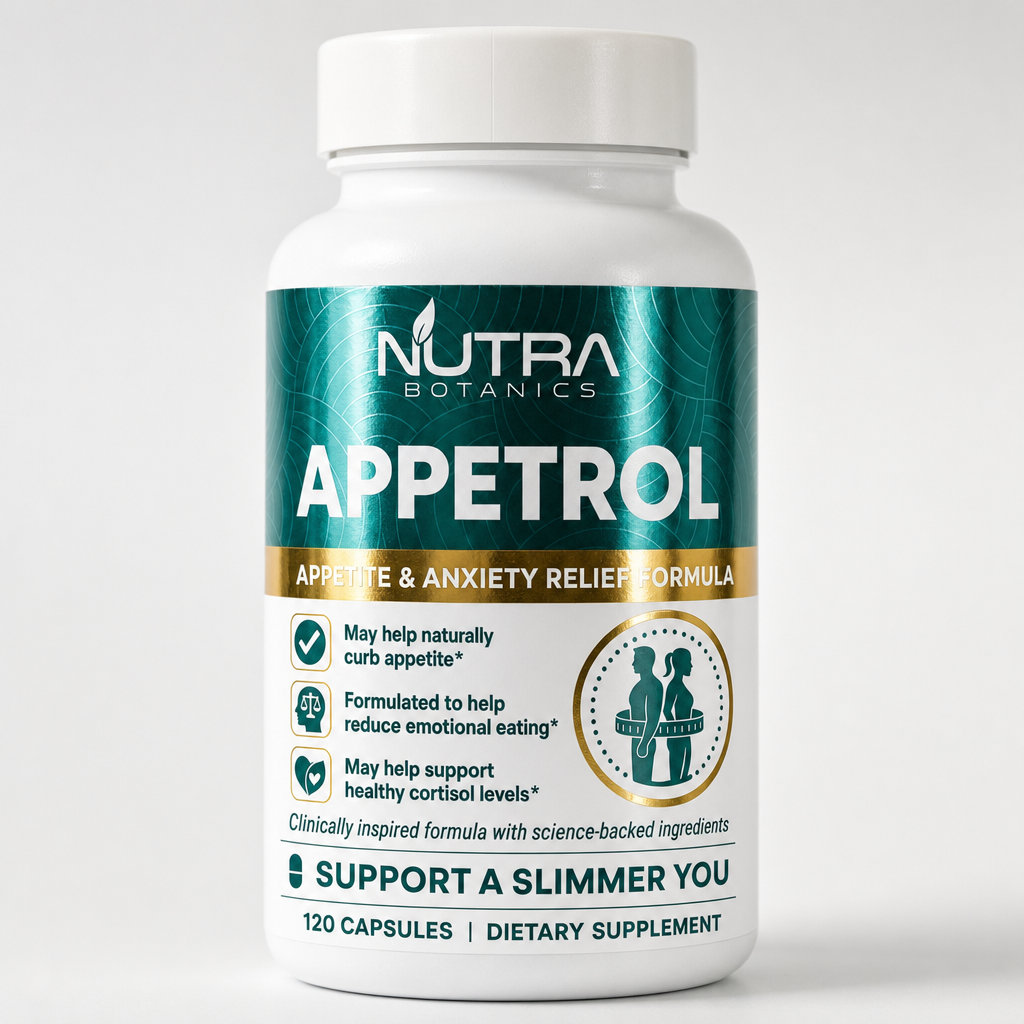
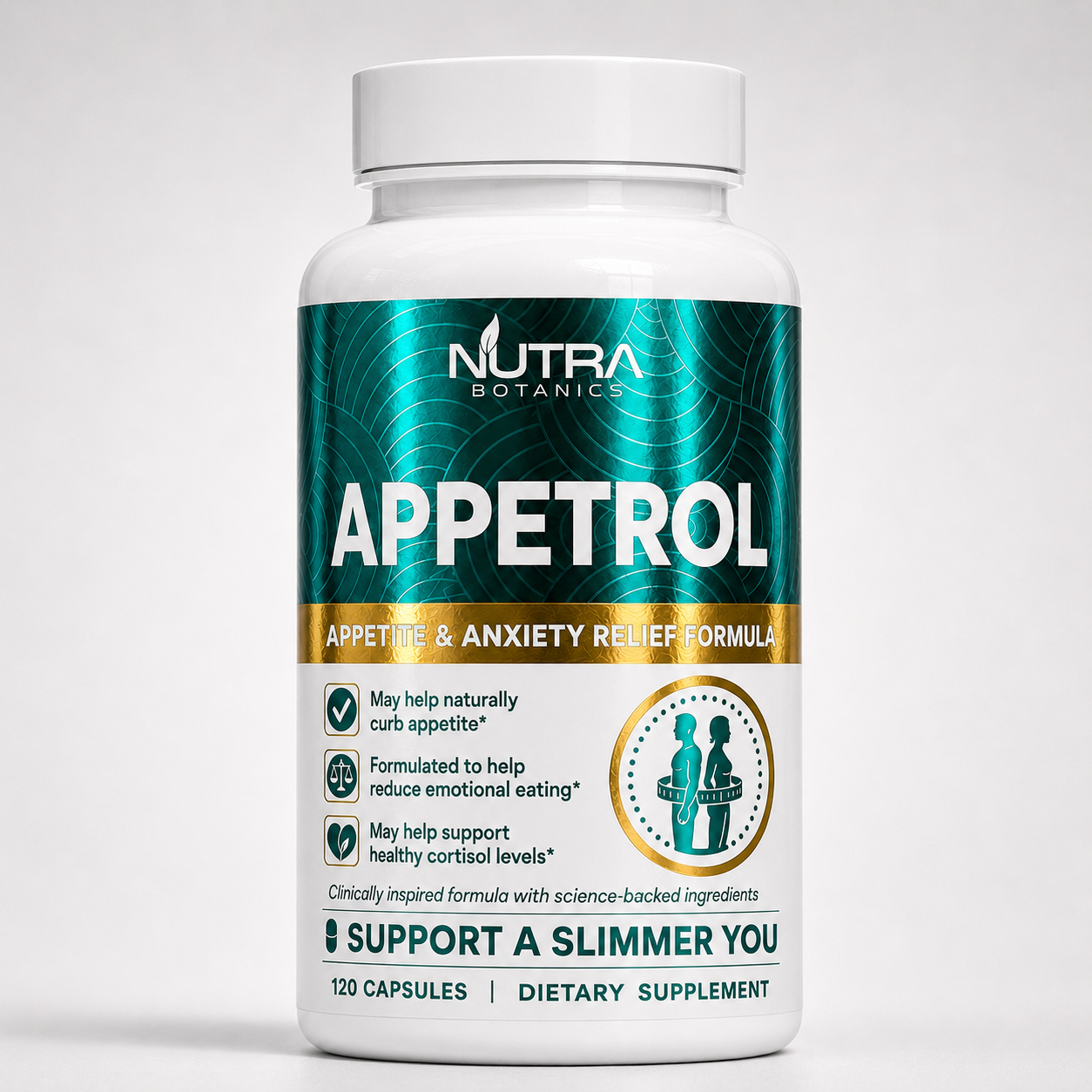
Appetrol Appetite Support
Adaptogen-based · 40 servings
- Ashwagandha, rhodiola, and L-theanine for stress-pathway support
- Garcinia cambogia and green tea in a daily-use formula
- Designed for stress-linked and emotional eating patterns
- GMP & NSF certified · PhD-supervised testing
See pricingFree shipping over $75
Shop Appetrol
Explore Weight Management
Browse the Nutra Botanics weight management range
- Appetite, metabolism, and body-composition options
- Compare formats, dosing, and stack partners
- Adaptogen and non-stimulant pathways
- GMP & NSF certified · PhD-supervised testing
Shop the rangeSubscribe & save 20%
Browse Weight ManagementWant the full picture? See our complete fat loss stack — the appetite suppressants on this page paired with thermogenics, metabolism support, and the carnitine stack we recommend together.