
Noticing stiffer joints, changing skin or brittle nails? Those changes do not diagnose low collagen. This guide explains seven common concerns, what collagen research actually measured and what to check before choosing a supplement.
What to know first
- Make your concern specific. Several different causes can produce similar symptoms.
- Match the evidence to your goal. A skin study does not establish a hair-growth or digestive benefit.
- Buy from the complete label. Check ingredients, serving size, directions and warnings before comparing value.
How aging changes collagen-rich tissue
Collagen helps give skin its structure. With age, connective tissue changes and skin loses some strength and elasticity. Sun exposure, genetics and other factors also affect how skin ages, so there is no universal timetable for the changes you see. MedlinePlus explains aging skin.
Ask yourself: “What changed, and what would help me understand it?” Keep that question in mind as you read the seven concerns below.
1. Joint stiffness and creaky knees
A stiff knee is a reason to look at joint comfort and movement, not a way to measure collagen. Notice whether it happens after activity, lasts beyond your usual recovery or limits something you normally do.
In a 24-week athlete trial, 10 g of collagen hydrolysate daily improved several pain ratings compared with placebo. The study assessed discomfort, not cartilage regrowth, and used a specific preparation. It does not establish the same result for every joint concern or collagen blend. Read the joint-comfort study.
2. Wrinkles, fine lines and changing skin firmness
Skin texture and firmness change with age, while sunlight also contributes to wrinkles. Consider both when you think about your skin routine.
A 2026 review of 35 trials found improvements in measured skin hydration and elasticity. Results for wrinkles and other structural changes were less robust when the researchers checked how sensitive the findings were to the included studies. Read the 2026 skin review.
A 2025 review also found positive overall results, but its higher-quality and non-pharmaceutical-funded studies did not show significant benefits. Together, these reviews support a careful look at the evidence rather than an eight-week promise. Read the 2025 review.
3. Weak, brittle or peeling nails
A small study followed 25 people taking 2.5 g of specific collagen peptides daily for 24 weeks. It reported faster nail growth and fewer broken nails. Everyone received the supplement, so there was no placebo group to separate its effect from other changes. Read the nail study.
Before buying for brittle nails, look for nail-specific evidence for the preparation being sold. Check what was measured, how long the study ran and whether it included a comparison group.
4. Thinning hair or slower growth
Hair changes have several possible causes, including inherited patterns, illness, stress, medicines and thyroid conditions. Sudden shedding or a changing pattern deserves attention rather than an automatic switch to a collagen supplement. MedlinePlus explains hair loss.
When comparing products, look for a human study that measured the hair outcome you care about, using the preparation being sold. A skin-hydration study answers a different question.
5. Slow wound healing
Slow healing can be affected by diabetes, circulation, medicines, smoking and other factors. A wound that is not healing needs medical attention; it is not a reason to assume you need more collagen. MedlinePlus explains wound healing.
Your body needs vitamin C to make collagen involved in wound repair. That normal nutrient role does not establish that a collagen-and-vitamin-C drink will treat a slow-healing wound. NIH explains vitamin C’s role.
6. Digestive issues and gut sensitivity
Recurring bloating or a sensitive stomach needs its own explanation. The studies discussed here assess other concerns; they do not establish that collagen supplements treat digestive conditions.
For a useful conversation about recurring symptoms, note when they happen and what else changed in your meals, medicines or routine. Bring that information to a healthcare professional. If you later choose a supplement, check its complete ingredient list instead of assuming every added ingredient will suit you.
7. Unexplained muscle loss
One 12-week trial studied 53 older men with age-related muscle loss. Both groups trained; one received 15 g of collagen peptides daily and the other a placebo.
The collagen group gained more strength and fat-free mass, meaning body weight excluding fat. That measurement includes more than muscle. The study did not compare collagen with whey or other protein supplements. Read the training study.
Other researchers questioned whether the reported fat-free-mass gains represented muscle specifically. A later correction disclosed manufacturer support and an author’s patent connection. Those details matter before treating one study as a promise for your own training or body composition. Read the research commentary and the disclosure correction.
Unexplained loss of strength or muscle deserves an assessment. A supplement should not take the place of finding out why your body has changed.
Turn the concern into a useful next step
- Name the goal. Skin hydration, comfortable movement and brittle nails are different concerns. Look for evidence that measured yours.
- Get persistent changes checked. Tell a healthcare professional what changed and when, especially if it affects daily life.
- Keep food in the picture. Vitamin C supports normal collagen formation. Citrus fruit and peppers are useful food sources. See our food guide for more context.
- Read before buying. Use the collagen buying guide to check the serving, preparation, source, other ingredients and value.
For a closer comparison, read what collagen research shows, how to compare collagen servings and how timing fits your routine.
Questions about these changes
At what age can age-related collagen loss become noticeable?
Does diet affect collagen levels?
Can age-related collagen changes contribute to joint pain?
Can a blood test show collagen levels?
How quickly can collagen supplementation address these signs?
How do I know if my body needs more collagen?
Find the bottle that fits your routine
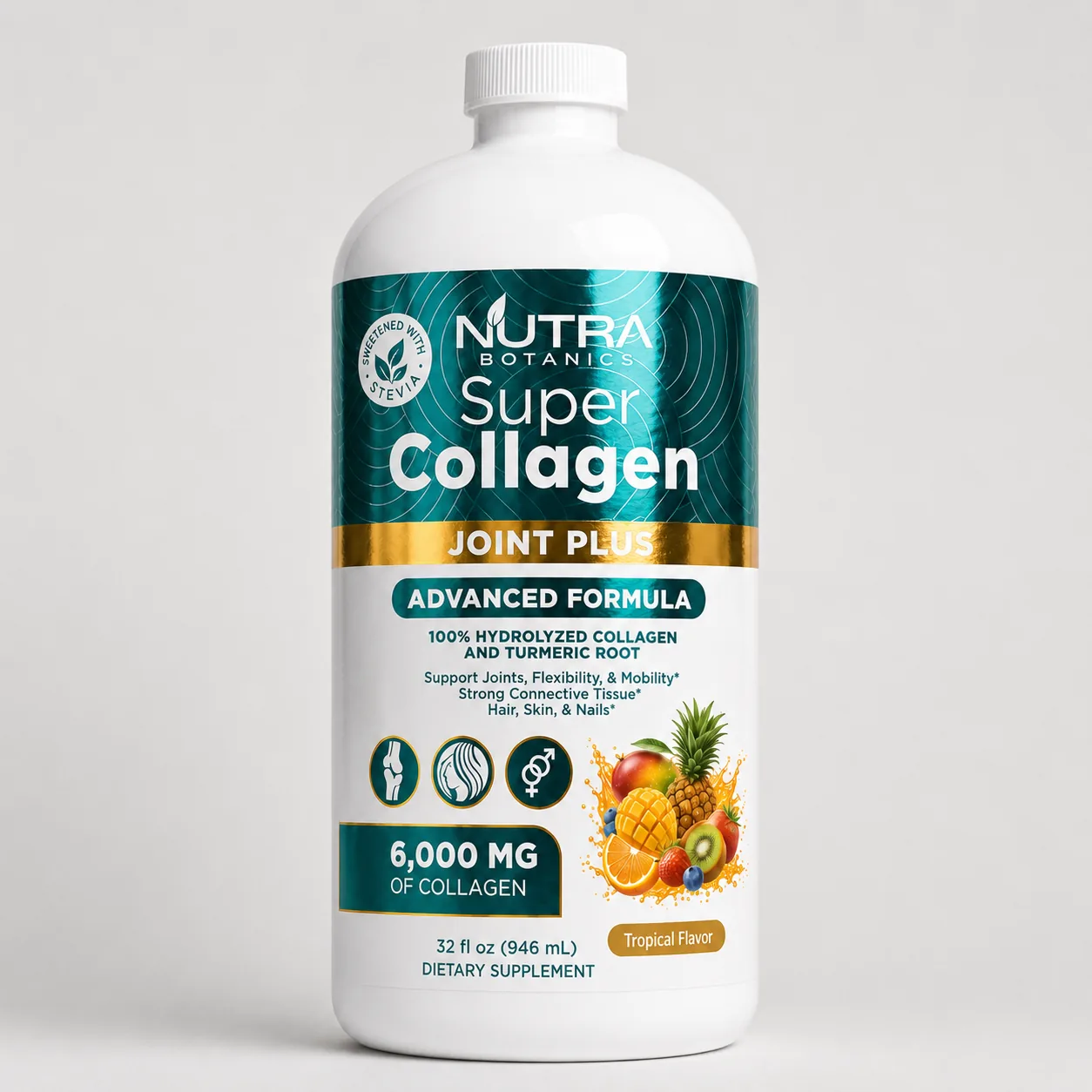
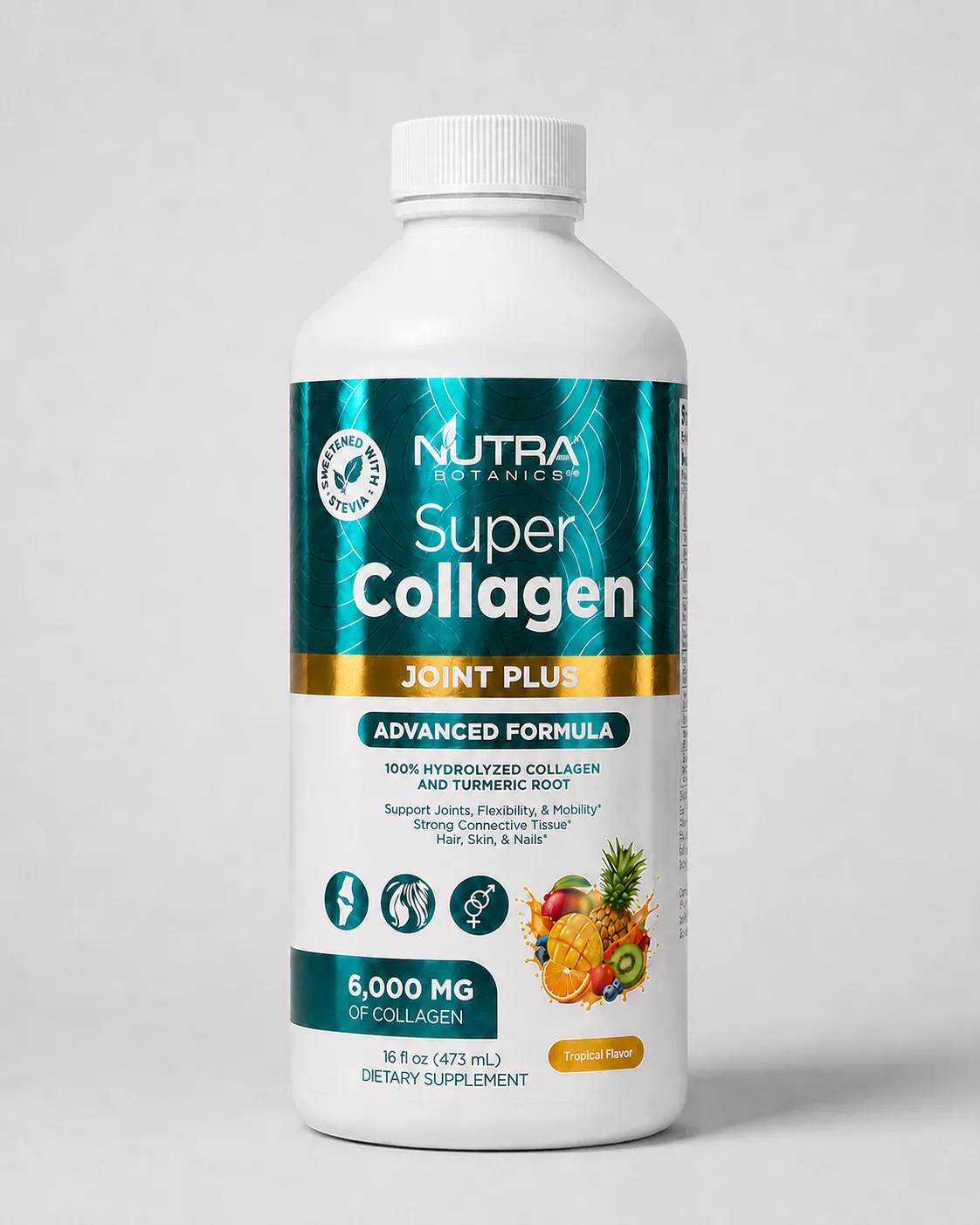
Super Collagen Joint Plus provides 6 g of collagen and 100 mg of vitamin C per labeled 30 mL serving. Vitamin C supports normal collagen formation. Both bottles offer a measured liquid format: the 16 oz label lists 16 servings, and the 32 oz label lists 32.
Compare ingredients, directions and current prices in one place. Use the labeled serving count to judge value, then choose the bottle size that suits your routine.
Compare the 16 oz and 32 oz bottlesRead the evidence in context
Collagen research covers selected preparations and outcomes. The 2019 dermatology review is background reading, not a diagnostic checklist or proof for every formula. Links beside each topic show the newer evidence and its limits.
For the blood-test question, this bone-marker study explains markers of bone formation and breakdown. Those measurements answer a specific question, not a whole-body collagen inventory.
The study amounts above describe research, not a personal serving recommendation. Read the full product label and warnings. Ask a pharmacist or healthcare professional about suitability if you take medicines, have a medical condition or are pregnant or nursing.
*These statements have not been evaluated by the Food and Drug Administration. This product is not intended to diagnose, treat, cure, or prevent any disease. Individual results may vary.