

Key Takeaways
- After 50, muscle mass declines ~1% per year and bone density declines ~1% per year — creatine supports both when paired with resistance training
- Studies in older adults show strength gains of 8–15% and improved functional tasks like chair-rise and stair-climb
- 3–5g per day with no loading phase is the evidence-backed protocol for adults over 50
- Cognitive benefits (memory, mental clarity) are particularly pronounced in older adults in multiple RCTs
- Safety across long-term use in this age group is excellent — creatine is one of the best-documented supplements for healthy aging
Related reading: Creatine for Women, Creatine for Beginners, How to Take Creatine, When to Take Creatine.
The Sarcopenia Problem: Why Muscle Loss Accelerates After 50
Sarcopenia — the progressive loss of muscle mass and strength associated with aging — begins gradually in your 30s but accelerates sharply after 50 and again after 65. By the time most people reach their 70s, they may have lost 30–40% of their peak muscle mass.
This isn't just an aesthetic concern. Loss of muscle mass is associated with reduced metabolic rate, increased fat accumulation, higher fall risk, slower recovery from illness, and earlier onset of functional disability. Sarcopenia is now recognized by the WHO as a serious clinical condition.
Creatine doesn't reverse aging, but it directly addresses one of the key mechanisms of sarcopenic progression: declining phosphocreatine availability in muscle tissue. As we age, intramuscular creatine stores drop — meaning the energy system that powers high-intensity muscular contractions becomes progressively less efficient. Supplementation partially restores this deficit.
What the Research Shows for Adults Over 50
The evidence base for creatine in older adults is strong and growing. A comprehensive 2017 meta-analysis in Open Access Journal of Sports Medicine reviewed 22 randomized controlled trials and found that creatine supplementation consistently improved lean mass and functional strength outcomes in adults over 55 — particularly when combined with resistance training.
Key findings from the research:
- Creatine + resistance training produced significantly greater gains in upper and lower body strength compared to training alone
- Lean mass retention was markedly improved in creatine groups vs placebo
- Older adults with lower baseline creatine stores (vegetarians, sedentary individuals) showed the largest relative gains
- No adverse effects on kidney or liver function were observed in healthy subjects
A 2021 position statement from the International Society of Sports Nutrition explicitly endorsed creatine supplementation as safe and beneficial for older adults, noting that the evidence supports its use for both performance and health outcomes in this population.
Research Snapshot
Creatine's Measured Effect in Adults Over 50
Average improvement vs. placebo across controlled trials in adults 50+ combining creatine with resistance training.
*Combined with resistance training over 12 months. Individual results vary. Not medical advice.
Fall Prevention and Functional Strength
Falls are the leading cause of injury-related death in adults over 65. Every year, more than one in four adults over 65 falls, and the resulting fractures — particularly hip fractures — carry a 20–30% one-year mortality rate in older populations. This isn't a small problem.
Creatine contributes to fall prevention through two mechanisms. First, by improving the quality of resistance training sessions (more reps, greater force output), it drives greater gains in lower-body muscular strength — the primary predictor of fall risk. Second, creatine's effect on fast-twitch muscle fiber recruitment improves reactive strength, the ability to catch yourself before a fall completes.
A 2007 study published in Medicine & Science in Sports & Exercise found that older adults taking creatine showed significantly improved lower-body muscle endurance and functional mobility tasks compared to placebo — the exact capacities that predict fall resistance in clinical assessments.
Bone Density Support
Bone density peaks in your late 20s and declines from there — more slowly through your 40s, then accelerating sharply after menopause in women and more gradually in men over 60. By the time osteoporosis is diagnosed, significant structural damage has already occurred.
Creatine doesn't act directly on bone like calcium or vitamin D. Its bone-protective effects work indirectly: by enabling higher-intensity resistance training, creatine amplifies the mechanical loading stimulus that drives bone remodeling and mineralization. Stronger muscles pulling on bones = stronger bones.
A well-designed RCT in postmenopausal women found that those supplementing with creatine during a 12-month resistance training program had significantly higher femoral neck bone mineral density at the end of the study compared to women who trained without creatine. This is one of the most clinically meaningful findings in the aging-related creatine literature.
Cognitive Protection as You Age
The brain's energy demands are enormous — about 20% of total body energy despite representing only 2% of body weight. As we age, cerebral energy metabolism becomes less efficient, and this contributes to cognitive decline, memory difficulties, and reduced processing speed.
Creatine supports brain energy metabolism through the same phosphocreatine/ATP system that powers muscle. Research in older adults shows improvements in memory recall, processing speed, and resistance to cognitive fatigue with creatine supplementation. A 2003 landmark study found that 5g/day of creatine for 6 weeks improved memory and intelligence test scores, with older participants showing particularly robust effects.
There's also emerging research on creatine's potential role in protecting against neurodegenerative processes. While this research is still preliminary, the plausible mechanism — maintaining mitochondrial energy efficiency in neurons — makes it an active area of investigation for conditions like Parkinson's and Alzheimer's.
How to Start Safely After 50
The fundamentals don't change based on age, but there are a few considerations worth noting for adults over 50. See our full creatine beginner's guide for complete background on how creatine works.
Starting Protocol for Adults Over 50
Form: Creatine monohydrate — same recommendation at all ages
Dose: 3–5g per day — no higher dose needed for older adults
Loading: Optional — many older adults prefer skipping loading to minimize initial water retention
Hydration: Especially important — drink 8–10 cups of water daily when supplementing
With food: Taking creatine with a carbohydrate or protein-containing meal may improve uptake
Kidney note: If you have pre-existing kidney disease, consult your physician first
Stack creatine with resistance training for maximum bone-protective effect
Brain energy support becomes increasingly important after 60
Preserved muscle mass keeps metabolic rate higher as you age
Stronger legs = lower fall risk = longer independence
If you're also considering testosterone support as part of a healthy aging strategy, see our guide on natural testosterone support after 35 for complementary approaches.
Frequently Asked Questions
Is creatine safe for a 60-year-old to take?
Does creatine damage kidneys in older adults?
Is creatine better than protein powder for older adults?
How long before I notice results from creatine at my age?
Can creatine help with fatigue and low energy after 50?
Do older adults need a loading phase?
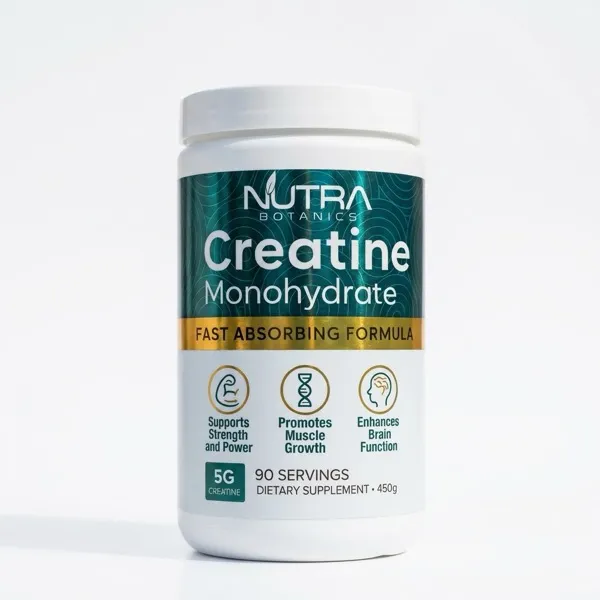
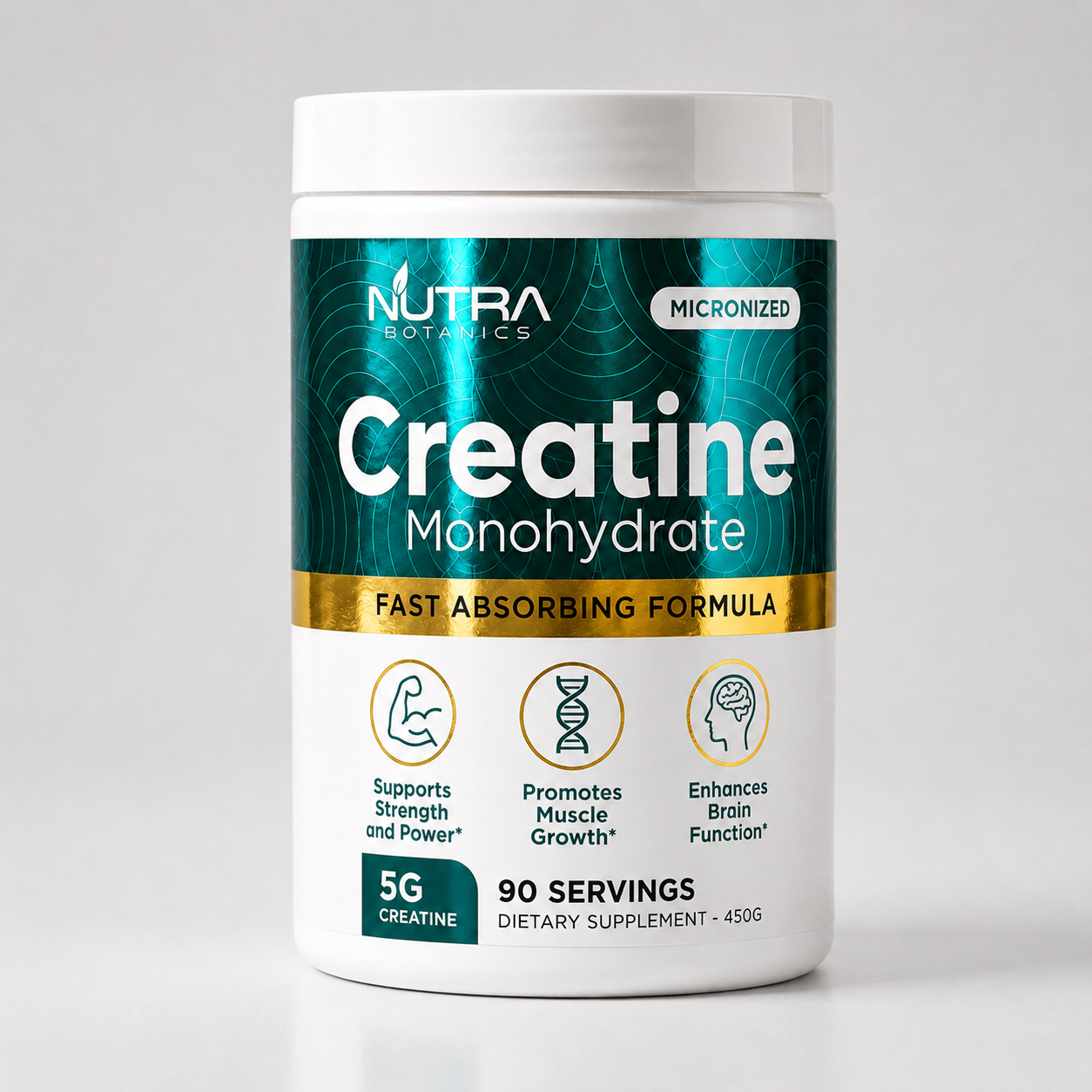
Creatine Monohydrate
Micronized · 60 servings
- 5g pure micronized monohydrate per serving
- Unflavored · mixes clean in any liquid
- GMP & NSF certified · PhD-supervised testing
- No fillers, stimulants, or artificial additives
$29.95Free shipping over $75
Shop Creatine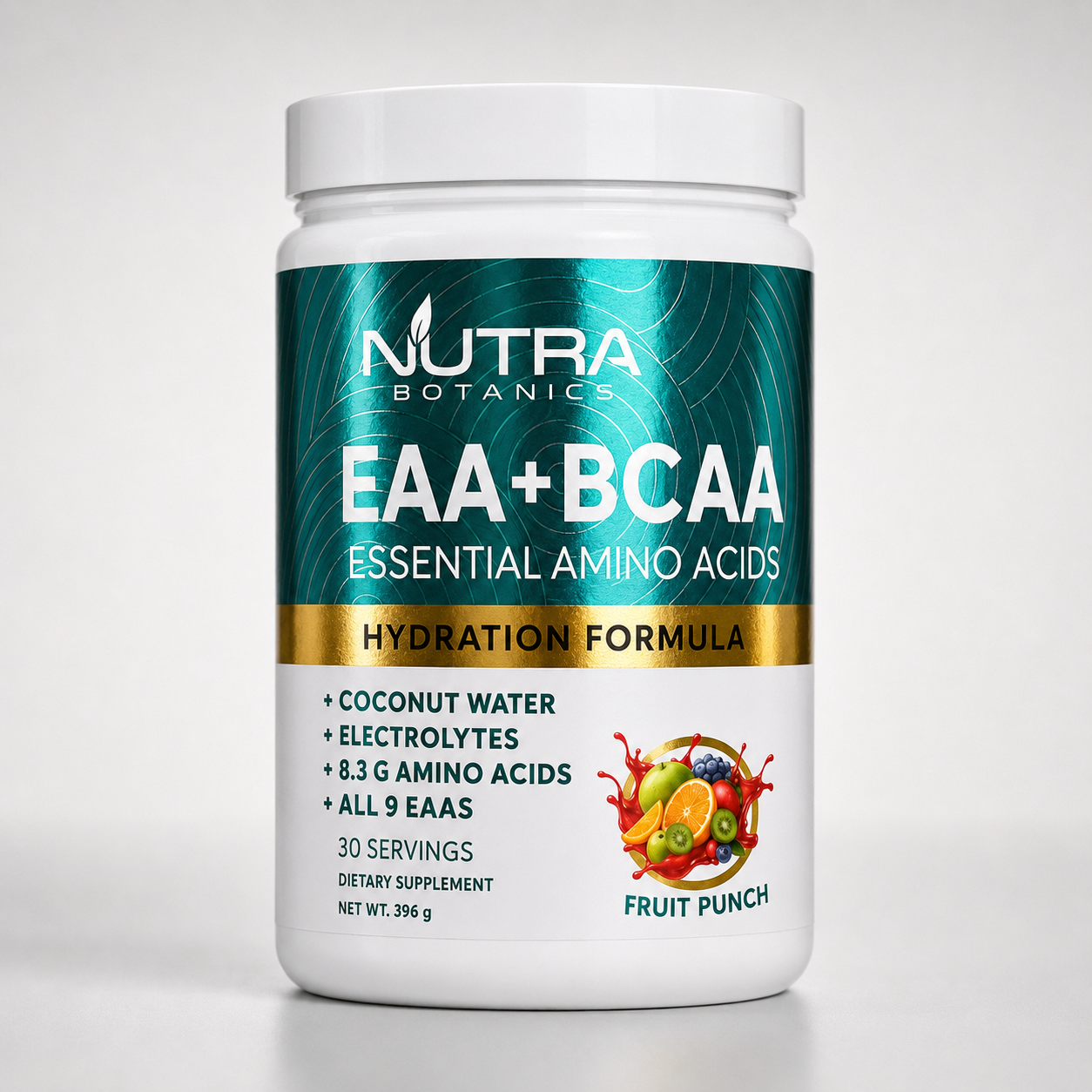
EAA Complex
Recovery · 30 servings
- All 9 essential amino acids for muscle repair
- Electrolytes for sustained hydration
- Zero sugar · light citrus flavor
- Pairs with creatine for optimal training support
$34.95Subscribe & save 20%
Shop EAA Complex