
Related reading: Does Collagen Actually Work? (Research Review), How Much Collagen Per Day, Best Time to Take Collagen, Marine vs Bovine Collagen.
How Food Supports Collagen Production
Before diving into specific foods, it helps to understand how your body actually makes collagen. Collagen synthesis is a complex, multi-step process that requires specific amino acids, vitamins, and minerals as raw materials and cofactors. The three most important amino acids for collagen are glycine, proline, and hydroxyproline. Your body also needs vitamin C, zinc, copper, and manganese to complete the collagen manufacturing process.
Some foods provide collagen directly, like bone broth and animal proteins that contain connective tissue. Others provide the essential cofactors and building blocks your body needs to manufacture its own collagen. The most effective dietary approach combines both types: foods that deliver collagen or its precursor amino acids along with foods rich in the vitamins and minerals that drive collagen synthesis.
The Vitamin C Connection
If there is one nutrient that deserves special attention when it comes to collagen, it is vitamin C. This water-soluble vitamin is not just helpful for collagen synthesis; it is absolutely essential. Without vitamin C, your body literally cannot produce functional collagen, no matter how many collagen-rich foods or supplements you consume.
Vitamin C serves as a critical cofactor for two enzymes, prolyl hydroxylase and lysyl hydroxylase, that are required for collagen synthesis. These enzymes add hydroxyl groups to the amino acids proline and lysine in the collagen molecule, which is necessary for the collagen triple helix to form and stabilize properly.
Without this hydroxylation step, collagen molecules are unstable and cannot form the strong fibers needed for structural support. This is why severe vitamin C deficiency leads to scurvy, a disease characterized by collagen breakdown, bleeding gums, and poor wound healing.
Research shows that adequate vitamin C intake can increase collagen synthesis by up to 8 times compared to deficient states. Even moderate increases in vitamin C consumption can meaningfully boost your body's collagen output.
The Top 12 Collagen-Boosting Foods
Here is your comprehensive guide to the best foods for supporting collagen production, organized by the key nutrient they provide and how they contribute to collagen health.
| Food | Key Nutrient | How It Helps Collagen |
|---|---|---|
| Bone Broth | Collagen, Glycine, Proline | Provides collagen directly in a bioavailable form, along with gelatin and amino acids that support gut and joint health |
| Salmon | Omega-3s, Zinc | Omega-3s support a healthy inflammatory response that protects collagen; zinc is a cofactor for collagen synthesis enzymes |
| Citrus Fruits | Vitamin C | Essential cofactor for collagen synthesis; supports hydroxylation of proline and lysine residues |
| Berries | Vitamin C, Antioxidants | Provide vitamin C plus anthocyanins and ellagic acid that protect existing collagen from free radical damage |
| Leafy Greens | Vitamin C, Chlorophyll | Chlorophyll has been shown to increase procollagen production in skin; greens also provide folate and antioxidants |
| Garlic | Sulfur, Taurine, Lipoic Acid | Sulfur is required for collagen synthesis; garlic also helps prevent collagen breakdown and supports detoxification |
| Eggs | Proline, Sulfur, Biotin | Egg whites are rich in proline, one of the main amino acids in collagen; yolks provide sulfur compounds and vitamin D |
| Bell Peppers | Vitamin C (127 mg/serving) | One of the highest vitamin C sources available; a single red bell pepper provides over 200% of daily vitamin C needs |
| Tomatoes | Lycopene, Vitamin C | Lycopene is a powerful antioxidant that protects collagen from UV-induced degradation and sun damage |
| Avocado | Vitamin E, Healthy Fats | Vitamin E works synergistically with vitamin C to prevent collagen oxidation; healthy fats support skin hydration |
| Nuts & Seeds | Copper, Zinc, Vitamin E | Copper activates lysyl oxidase, an enzyme critical for collagen cross-linking and structural integrity |
| Chicken | Type II Collagen, Proline | Connective tissue in chicken is rich in Type II collagen, which directly supports joint cartilage and bone health |
1. Bone Broth
Bone broth is perhaps the most traditional and direct source of dietary collagen. When animal bones are simmered for extended periods, the collagen in the bones, cartilage, and connective tissue breaks down into gelatin and individual amino acids. A well-made bone broth provides glycine, proline, hydroxyproline, and other amino acids in proportions that closely mirror your body's own collagen composition. For maximum benefit, simmer bones for at least 12 to 24 hours with a splash of vinegar to help extract minerals.
2. Salmon and Fatty Fish
Salmon provides a double benefit for collagen health. Its omega-3 fatty acids support a healthy inflammatory response, which plays an important role in maintaining collagen integrity. The zinc content in salmon also serves as a direct cofactor for collagen synthesis enzymes. Wild-caught salmon is preferable to farmed varieties for its superior omega-3 to omega-6 ratio.
3. Citrus Fruits
Oranges, lemons, grapefruits, and limes are among the best sources of vitamin C, the single most important nutrient for collagen synthesis. Just one medium orange provides about 70 mg of vitamin C, which is close to the recommended daily intake. Including citrus in your daily diet ensures your body always has adequate vitamin C to support collagen production.
4. Berries
Strawberries, blueberries, raspberries, and blackberries are collagen powerhouses. They provide vitamin C alongside a rich array of antioxidants, including anthocyanins and ellagic acid. These antioxidants protect existing collagen fibers from free radical damage caused by UV exposure, pollution, and metabolic stress. Think of berries as both builders and protectors of collagen.
5. Leafy Greens
Spinach, kale, Swiss chard, and other dark leafy greens offer vitamin C, chlorophyll, and a range of antioxidants that support collagen production. Research has shown that chlorophyll, the pigment that gives greens their color, can increase the precursor to collagen (procollagen) in the skin. Leafy greens also provide folate, which plays a role in DNA synthesis needed for new collagen-producing cells.
Vitamin C Content Comparison
Not all vitamin C sources are created equal. Here is how some of the best sources compare in terms of vitamin C content per serving.
6-12: The Supporting Cast
Garlic is rich in sulfur, which is required for collagen synthesis and helps prevent collagen breakdown. Just two cloves per day can make a meaningful difference. Eggs provide proline in the whites and sulfur compounds in the yolks, making them a complete collagen support food. Bell peppers, especially red ones, contain more vitamin C per serving than any citrus fruit, making them one of the most efficient collagen-boosting foods available.
Tomatoes bring lycopene to the table, a powerful antioxidant that specifically protects skin collagen from UV-induced breakdown. Cooking tomatoes actually increases lycopene bioavailability. Avocados provide vitamin E, which works in partnership with vitamin C to neutralize free radicals and prevent collagen oxidation. Their healthy monounsaturated fats also support skin hydration from the inside out.
Nuts and seeds, particularly cashews, almonds, pumpkin seeds, and sunflower seeds, are excellent sources of copper, zinc, and vitamin E. Copper is especially important because it activates the enzyme lysyl oxidase, which is essential for cross-linking collagen fibers into strong, functional structures. Chicken, including the skin and connective tissues, is one of the richest dietary sources of Type II collagen, which is the primary collagen type found in joint cartilage.
Sample Daily Meal Plan for Collagen Support
Knowing which foods support collagen is one thing, but putting them together into a practical daily meal plan makes it actionable. Here is a sample day that incorporates multiple collagen-boosting foods.
Breakfast: Scrambled eggs with spinach and sliced bell peppers, topped with avocado. A glass of fresh orange juice or a handful of berries on the side.
Mid-Morning Snack: A serving of liquid collagen supplement paired with a kiwi or a small bowl of mixed berries for vitamin C to enhance absorption.
Lunch: Grilled salmon over a bed of dark leafy greens with cherry tomatoes, pumpkin seeds, and a lemon vinaigrette dressing.
Lunch: Grilled salmon over a bed of dark leafy greens with cherry tomatoes, pumpkin seeds, and a lemon vinaigrette dressing.
Afternoon Snack: A small handful of almonds and cashews with sliced strawberries.
Dinner: Roasted chicken thighs with garlic, roasted broccoli, and a side of bone broth soup. Add a squeeze of lemon to the broth for extra vitamin C.
Diet vs. Supplements: What Works Best?
This is one of the most frequently asked questions about collagen, and the honest answer is that diet and supplements serve different but complementary roles. A collagen-supportive diet provides the raw materials and cofactors your body needs to synthesize its own collagen. Supplements, on the other hand, deliver pre-formed collagen peptides that have been shown in clinical studies to stimulate fibroblast activity and directly increase collagen density in the skin, joints, and bones.
"While dietary intake of collagen-supportive nutrients is fundamental, oral hydrolyzed collagen peptides have been demonstrated to reach the dermis and stimulate fibroblast proliferation and collagen production in a way that dietary amino acids alone cannot replicate. The combination of a nutrient-rich diet with targeted collagen supplementation produces superior outcomes compared to either strategy alone."
Asserin et al., Journal of Cosmetic Dermatology, 2015The most effective approach, according to the research, is a combination strategy. Use the 12 foods listed above to build a strong nutritional foundation, then add a high-quality collagen supplement to provide the specific peptide signals that stimulate your body's collagen-producing cells. This dual approach addresses collagen health from both directions: giving your body the tools to build collagen while also sending the biological signals to increase production.
*These statements have not been evaluated by the Food and Drug Administration. This product is not intended to diagnose, treat, cure, or prevent any disease. Individual results may vary.
How to Maximize Your Body's Collagen Production
Beyond eating the right foods and supplementing wisely, there are several lifestyle factors that significantly impact your body's ability to produce and maintain collagen.
Protect your skin from UV damage. Ultraviolet radiation is the single biggest external destroyer of collagen. Wearing sunscreen daily, even on cloudy days, can dramatically slow collagen degradation in your skin. This is especially important because no amount of dietary optimization or supplementation can fully counteract the collagen-destroying effects of chronic sun exposure.
Limit sugar and refined carbohydrates. When blood sugar levels are chronically elevated, sugar molecules bind to collagen fibers through a process called glycation. This creates advanced glycation end products (AGEs) that make collagen stiff, brittle, and unable to function properly. Reducing sugar intake is one of the most impactful things you can do for collagen preservation.
Your body does the majority of its repair and rebuilding work during deep sleep.
Prioritize quality sleep. Your body does the majority of its repair and rebuilding work during deep sleep. Growth hormone, which stimulates collagen production, is released primarily during the deep sleep phases. Consistently getting seven to nine hours of quality sleep supports optimal collagen turnover.
Stay hydrated. Collagen fibers need adequate hydration to maintain their structure and function. Dehydrated collagen becomes brittle and more susceptible to damage. Aim for at least eight glasses of water per day, and more if you exercise or live in a warm climate.
The best strategy for collagen health combines a nutrient-rich diet focused on collagen-boosting foods with targeted supplementation. The 12 foods in this guide provide the essential amino acids, vitamins, and minerals your body needs to manufacture collagen, while a quality collagen supplement provides the specific peptide signals that stimulate increased production. Vitamin C is the single most important cofactor, so make sure every meal includes a vitamin C-rich food. Combined with smart lifestyle choices like sun protection, limited sugar, adequate sleep, and proper hydration, this dual approach gives your body everything it needs to maintain healthy, abundant collagen at any age.
Supercharge Your Collagen Naturally
Combine a collagen-rich diet with our premium liquid collagen supplement for the best possible results in skin, joint, and bone health.
Shop Collagen ProductsSupercharge Your Collagen Naturally
Combine a collagen-rich diet with our premium liquid collagen supplement for the best possible results in skin, joint, and bone health.
Shop Collagen ProductsFrequently Asked Questions
What foods are highest in collagen?
Can you get enough collagen from food alone?
What vitamins are needed for collagen production?
Does eating collagen-rich foods actually increase body collagen?
Do plant-based diets support collagen production?
Does sugar destroy collagen?
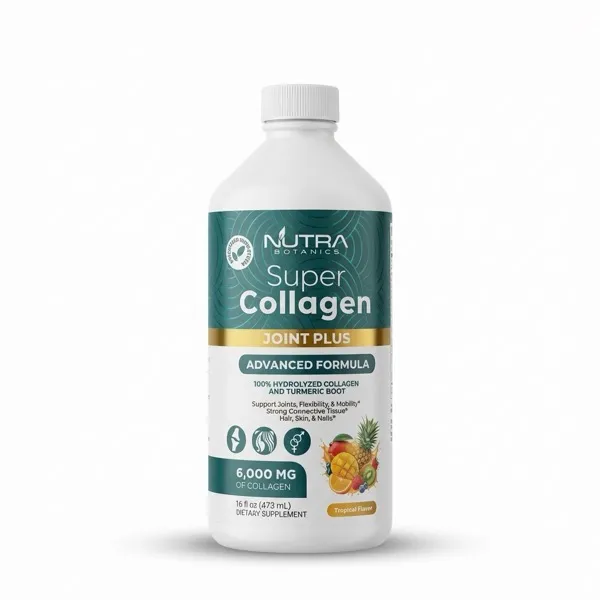
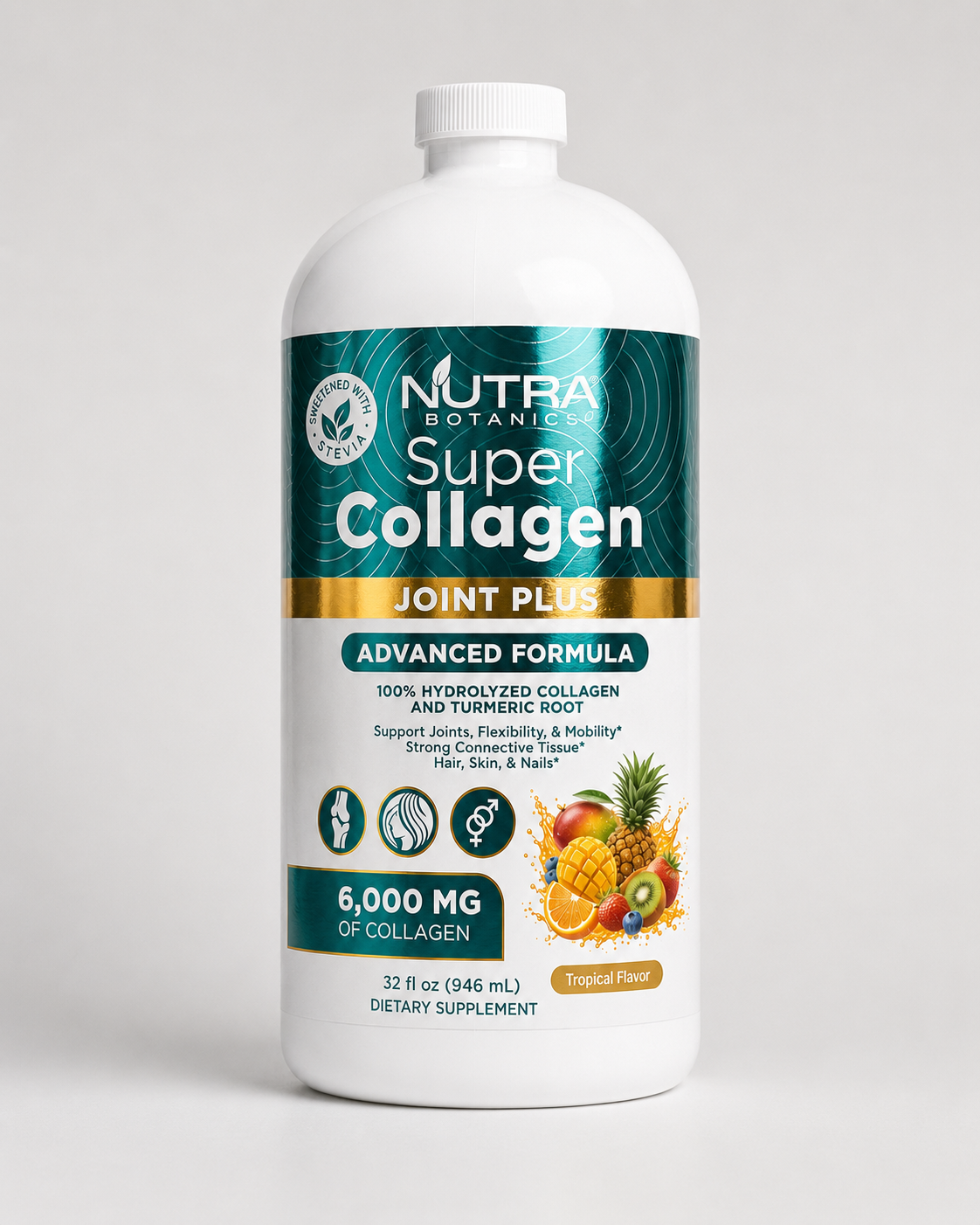
Super Collagen Liquid
Hydrolyzed Peptides · 30 servings
- 6,000mg hydrolyzed collagen peptides per serving
- Liquid format for maximum bioavailability
- Supports hair, nails, skin, and joints
- GMP & NSF certified · PhD-supervised testing
$39.95Free shipping over $75
Shop Super Collagen
Explore All Collagen Products
Browse the Nutra Botanics collagen range
- Multiple formats: liquid peptides, powders, capsules
- Compare serving sizes, sources, and stack partners
- Find the right format for your routine
- GMP & NSF certified · PhD-supervised testing
Shop the rangeSubscribe & save 20%
Browse Collagen