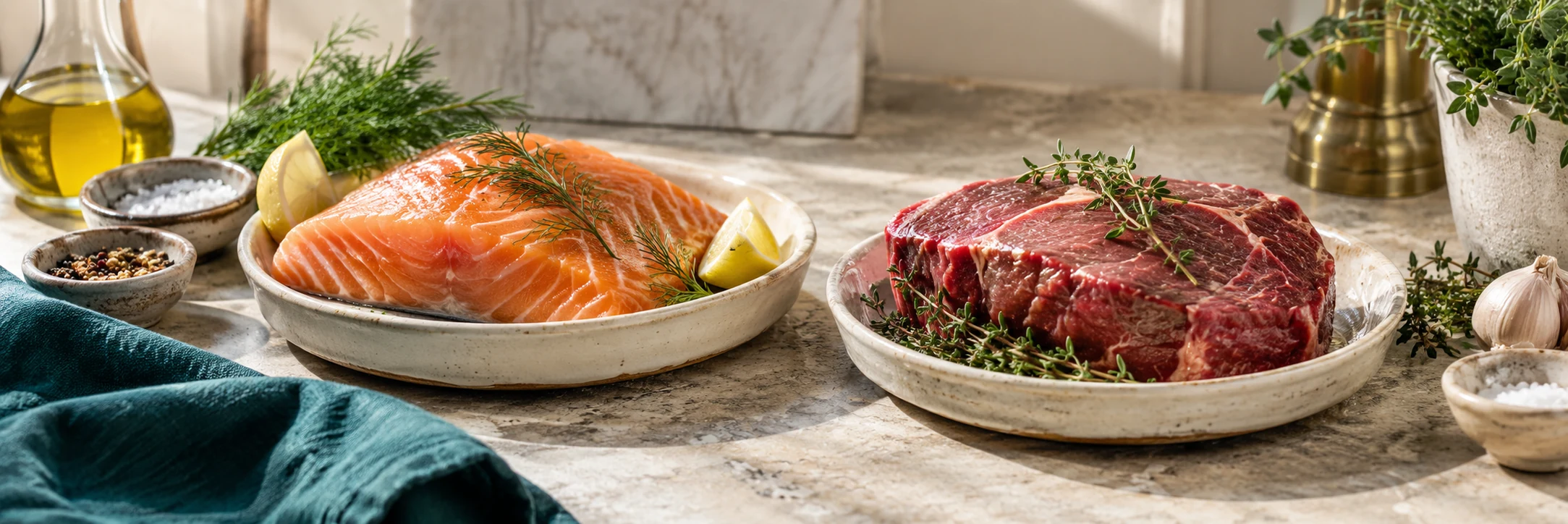
Fish-derived marine collagen comes from fish. Bovine collagen comes from cattle. Start with a source that fits your diet, then compare the full formula, the amount of collagen and the cost. The source name alone does not tell you which product will absorb better or deliver better results.
Three checks before you choose
- Dietary fit: Check the animal source, other ingredients and allergen statement.
- Formula fit: Compare the preparation and serving with the research relevant to your goal.
- Routine fit: Choose a format and price that work for you.
Keep exploring: What collagen research shows, 12 foods for a collagen-supportive diet, Collagen serving sizes and When to take collagen.
Marine collagen: check the fish source
Fish-derived collagen can come from skin, scales or other collagen-rich tissues. The species and processing method matter, so look for a named source on the label. “Marine” is a broad description, not a complete ingredient specification.
Type I is often discussed with fish-skin collagen. In a cod-skin laboratory study, researchers identified Type I collagen. That tells us about the material they tested; it does not prove that every fish-derived supplement has the same composition or effects.
A fish-based source can fit a pescatarian diet. If you have a fish allergy, avoid fish-derived collagen. If your restriction concerns shellfish, check that separately, including other ingredients in the blend.
Bovine collagen: check the cattle source
Bovine collagen comes from cattle tissues, such as hide or bone. Choose another source if you avoid cattle-derived ingredients. If an allergy drives that decision, review the complete product with your healthcare professional.
Collagen types depend on the tissue used. Skin and bone are not interchangeable raw materials. Collagen-processing research also explains that the manufacturing method changes the mixture of peptides, the smaller protein fragments in a hydrolyzed product.
Terms such as “grass-fed” describe sourcing. They do not establish better absorption, gut repair or joint results. Check what the manufacturer actually discloses about the ingredient and finished formula.
Marine vs bovine: the buying differences
| What to check | Marine collagen | Bovine collagen |
|---|---|---|
| Source | For fish-derived products, check the fish species and tissue. | Check the cattle tissue and sourcing information. |
| Dietary fit | Can fit a pescatarian diet. Avoid fish-derived collagen with a fish allergy. | Does not fit a cattle-free diet. Do not assume a blend is fish-free. |
| Vegan or vegetarian? | Fish collagen is animal-derived. | Cattle collagen is animal-derived. |
| Collagen type | Check the disclosed type and preparation, rather than a universal percentage. | Check the tissue and preparation, rather than assuming every product supplies the same types. |
| Absorption | Source alone does not establish an advantage. | Source alone does not establish a disadvantage. |
| Taste and format | Check flavor, sweeteners and whether you prefer a pour, scoop or capsule. | Check flavor, sweeteners and whether you prefer a pour, scoop or capsule. |
| Value | Compare price per labeled serving and collagen amount. | Compare price per labeled serving and collagen amount. |
Does marine collagen absorb better?
Hydrolyzed collagen has been broken into smaller protein fragments. Absorption describes what reaches the bloodstream after you take it. It is a different question from whether a product improves skin or joint comfort.
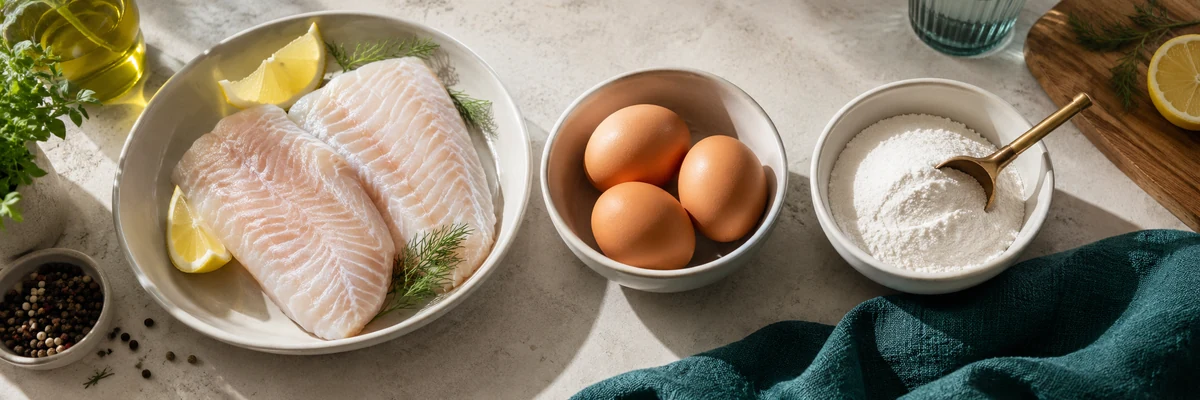
A 2024 crossover study compared fish, cattle and pig collagen in six healthy adults. Each person tried the preparations on separate study days. Researchers measured blood levels after a single 10 g serving mixed into water.
Uptake of free hydroxyproline, an amino acid used to track collagen digestion, was comparable across the tested preparations. Some peptide measurements differed. The study did not measure long-term skin or joint results, and its small size limits broad conclusions. The ingredient supplier funded it.
What this means when shopping: A fish source, smaller-peptide headline or ready-mixed liquid does not establish better results by itself. Compare the specific product and its relevant human research. Choose liquid for preparation convenience, without treating that convenience as proof of superior absorption.
Choose by your goal, then check the research
Skin hydration and elasticity
A 2021 review found favorable pooled skin results. A 2025 review found that apparent benefits depended on study quality and funding; its higher-quality studies did not show clear benefits. Neither establishes a universal marine-over-bovine advantage.
Look for the preparation, amount, participants and outcome actually studied. A trial measuring skin hydration cannot also establish faster hair growth or better joint comfort.
Joint comfort during daily activity
A 12-week trial in 182 adults tested a particular 5 g collagen-peptide preparation and reported improvements in some hip and knee discomfort measures. It was not a marine-versus-bovine comparison or a trial of Super Collagen Joint Plus.
For a joint-focused routine, compare the full preparation and relevant trial. Persistent pain deserves medical assessment; a collagen supplement is not an arthritis treatment.
Hair, nails, digestion and bones
Do not use a “skin” or “joint” source label to assume benefits for these separate goals. Each needs its own evidence. Our guide to popular collagen uses separates the outcomes, so you can compare what was measured rather than buying a broad promise.
Dietary restrictions and sourcing
Fish and crustacean shellfish are different allergens under FDA labeling guidance. The collagen source is only one part of the check. Other ingredients and allergen statements still matter, including in a product that combines collagen with a joint blend.
- Avoiding fish: Avoid fish-derived collagen and check the complete blend.
- Avoiding cattle: Avoid bovine collagen and check any mixed-source formula.
- Eating plant-based: Neither fish nor cattle collagen fits. Explore food-based support for collagen formation.
- Prioritizing sourcing: Look for documented species, origin and sourcing standards. A “marine” or “grass-fed” headline alone does not establish the environmental footprint.
Compare value using the same unit
Price per bottle can hide a difference in serving size. Divide the current price by the number of labeled servings. Then compare how much collagen each serving contains. Tax, shipping, subscription terms and the other ingredients can affect your decision too.
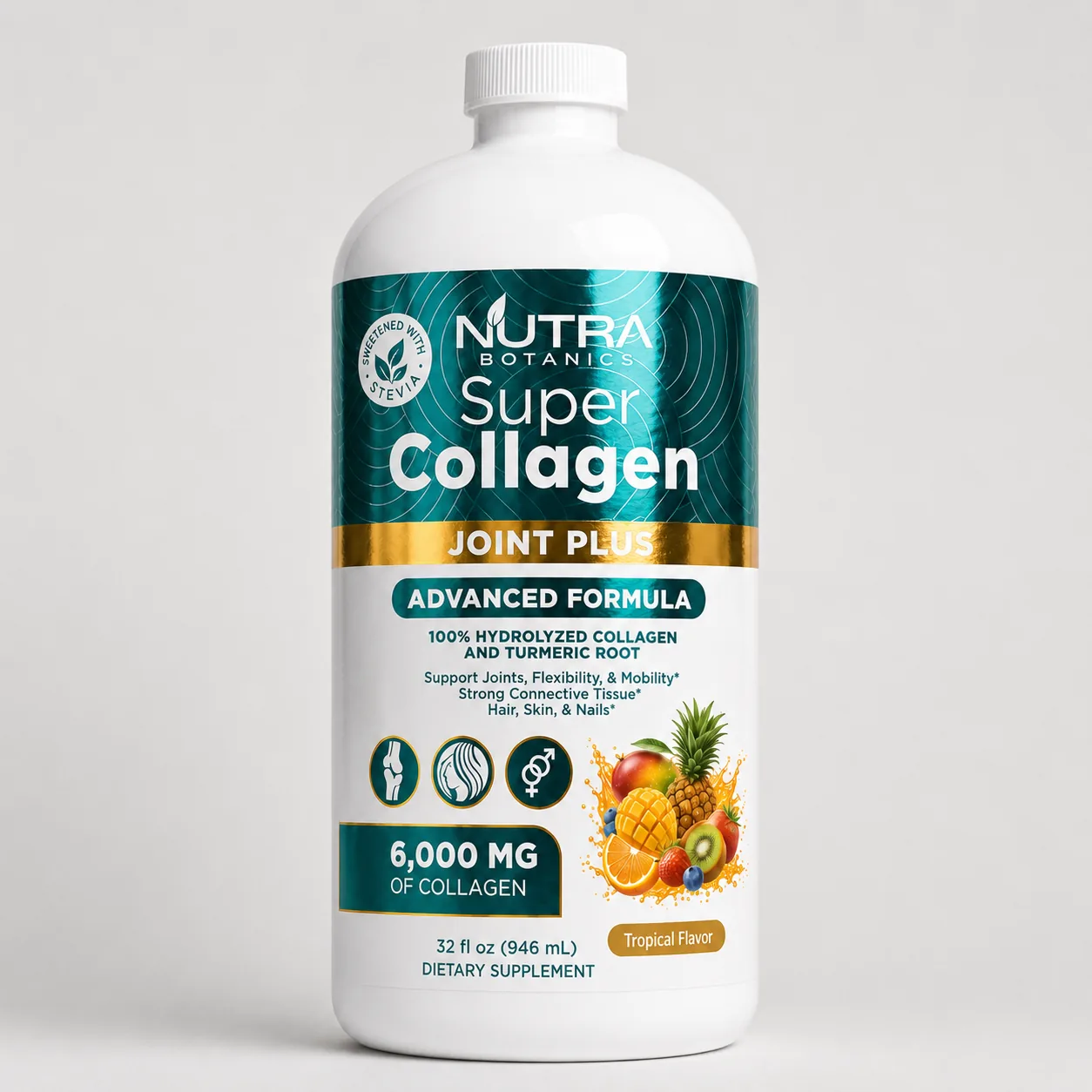
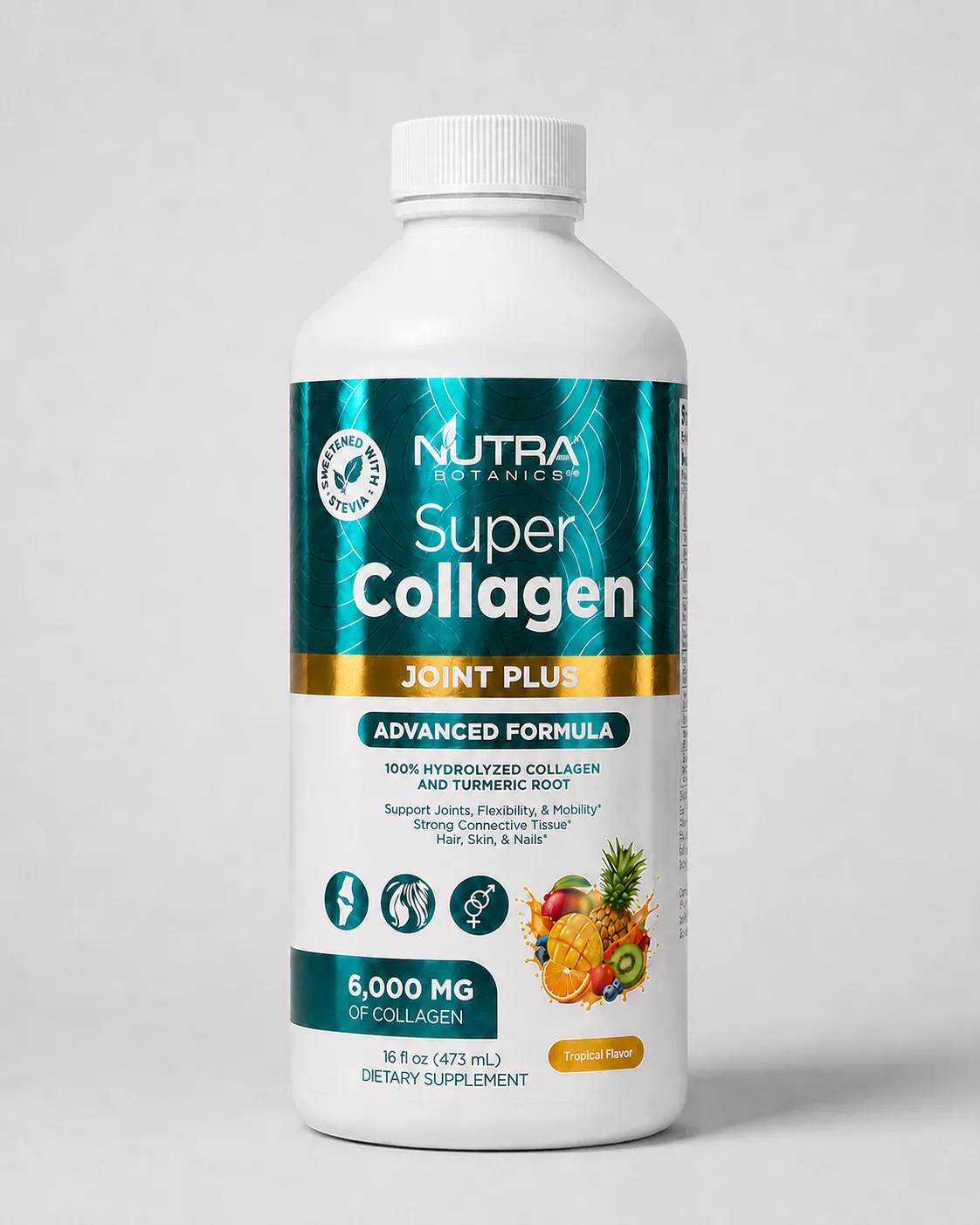
Our 32 oz Joint Plus bottle lists 32 servings at $44.99 one-time, about $1.41 per serving. The 16 oz bottle lists 16 servings at $29.99, about $1.87 per serving. Both use the same 30 mL serving and 6 g collagen amount.
The smaller bottle lowers the first purchase cost. The larger bottle lowers the one-time cost per serving. Compare both sizes and purchase options. Prices were checked on October 12, 2026; confirm the current offer before buying.
This is a comparison within one formula. It does not show that liquid beats powder or that one animal source works better. For format decisions, see liquid collagen versus powder.
Which one should you choose?
Choose the source that fits your restrictions first. If either fits, focus on the complete label, relevant research, taste, preparation and value. A longer list of collagen types does not automatically make a blend better.
For example, a fish-eating shopper who avoids cattle may prefer a verified fish-derived formula. Someone choosing between two products that both fit their diet can compare servings and preparation instead. A shopper with an allergy needs the full label, not just the front of the bottle.
Follow the directions on the product you choose. Study periods are not a guaranteed results timetable, and the number of servings in a bottle is not always the number of days of use. See our serving guide for help reading the amount.
Explore a measured Joint Plus pour
If a ready-to-take liquid fits your routine, compare Super Collagen Joint Plus. Each labeled 30 mL serving lists 6 g collagen peptides and 100 mg vitamin C, alongside glucosamine, MSM, chondroitin, turmeric, hyaluronic acid and tart cherry.
Vitamin C helps your body make collagen. The other ingredients have their own listed amounts. Read the full formula, current bottle directions and allergen statement before choosing. Confirm the animal source if you need to avoid fish or cattle.
Pick the bottle that fits your routine.
Start with a smaller first purchase or compare the larger bottle’s serving value.
Compare the 16 oz and 32 oz bottlesComparing other routines? Browse the full formula catalog.
Sources and important context
The linked studies test specific preparations. They do not demonstrate a finished-product effect for Joint Plus or identify one source as best for every goal. This guide explains the findings and current product facts; it is not a personalized supplement recommendation.
If you take medication, have a medical condition, are pregnant or nursing, check the complete blend with your healthcare professional before use.
Good questions. Clear answers.
What is the main difference between marine and bovine collagen?
Which absorbs better, marine or bovine collagen?
Is marine collagen better for skin?
Is bovine collagen better for joints?
Is one more sustainable than the other?
Can I take marine and bovine collagen together?