Collagen supplements are worth comparing by their ingredients, not by the biggest promise on the bottle. Some studies report skin or joint improvements. Those results depend on the preparation and study, rather than applying to every product.
These eight common claims can make shopping confusing. Here is what to check, what the research can tell you and how to choose a format that fits your routine.
Three checks that make the choice easier
- Know the ingredient. Collagen peptides, vitamin C and a “collagen builder” are different things.
- Read one serving. Compare the amount you actually take, rather than the size of the bottle.
- Match the evidence. An ingredient study is not proof that every finished blend gives the same result.
Myth 1: Digestion makes collagen useless
Digestion and absorption are part of the story. Hydrolyzed collagen has been broken into smaller pieces called peptides. A human absorption study detected collagen-derived peptides in blood after people consumed gelatin hydrolysates.
Finding those pieces in blood does not show that a bottle sends collagen straight to your skin or rebuilds a joint. For benefits, look at human studies that measured the outcome you care about.
Our collagen research guide explains the difference between an absorption finding and a result a person can notice.

Myth 2: Collagen and protein powder are interchangeable
Compare what each product provides. Collagen has a different amino acid profile from other protein sources. Its presence in a drink does not make that drink a complete meal or settle your overall protein needs.
If you are choosing for a training routine, read the protein amount and complete ingredient list. If you are choosing collagen, check the collagen preparation and its amount separately.
Myth 3: Everyone needs a collagen supplement
Your body makes its own collagen. Vitamin C helps that normal process, and your diet supplies nutrients used to build proteins. A balanced routine is still the starting point.
NIH explains vitamin C's role. Our food and collagen guide gives you more nutrition context.
A supplement offers a defined ingredient amount and a convenient format. That is a practical reason to compare one, rather than assuming that every shopper needs extra collagen.
Myth 4: All collagen bottles provide the same thing
Start with the ingredient description. Hydrolyzed collagen means collagen broken into smaller peptides. Undenatured collagen retains its natural structure. Those preparations are not interchangeable.
Then compare the source, serving amount, other ingredients and directions. A type number or a larger front-label number does not establish that one bottle works better.
For source questions, read marine versus bovine collagen. Check what the manufacturer actually identifies instead of guessing from a photograph.
Myth 5: One collagen study proves every claimed benefit
Skin hydration, joint discomfort and hair growth are different outcomes. A finding about one does not establish the others.
A 2021 review of 19 skin studies reported favorable pooled results for hydration, elasticity and wrinkles. Later reviews help put those findings in context.
A 2025 review of 23 trials also found improvements when results were combined. But higher-quality studies and studies without pharmaceutical-company funding did not show clear improvements.
A 2026 review of 25 trials reported improvements in several skin measures, but judged most trials at high risk of biased results. Positive findings deserve attention alongside those limitations.
For joints, a 2024 review of 35 trials found small-to-moderate pain and function improvements in osteoarthritis. It covered different collagen derivatives, rather than proving an effect for every supplement.
Explore collagen benefit claims by outcome. For collagen and gut health, ask for evidence about that specific use instead of borrowing a skin result.
Myth 6: A “collagen builder” always contains collagen
Many products sold as collagen builders contain vitamins, amino acids or plant extracts rather than collagen peptides. Read the ingredient list to see what is actually inside.
Animal sources are common in collagen products; biotechnology can also produce collagen. Neither a “plant-based” headline nor a leaf symbol tells you the preparation or proves a benefit.
A collagen composition review explains these differences. Check the source with the manufacturer if your dietary preferences or allergies make it important.
Myth 7: Everyone should notice results by the same week
A study's follow-up period tells you when researchers measured an outcome. It is not a countdown that applies to every person or formula.
Follow your own package directions. Compare the serving amount, frequency and storage instructions before using a trial dose as a guide. Our collagen serving guide and timing guide cover those practical questions.
Myth 8: A collagen cream and a collagen drink are equivalent
A cream is applied to skin; a drink is swallowed. Sharing an ingredient name does not make their preparations, uses or evidence the same.
The oral studies above do not establish how a particular cream performs, or prove that every drink is superior. Compare each product's full ingredients, intended use and supporting evidence.
Turn the label into a useful comparison
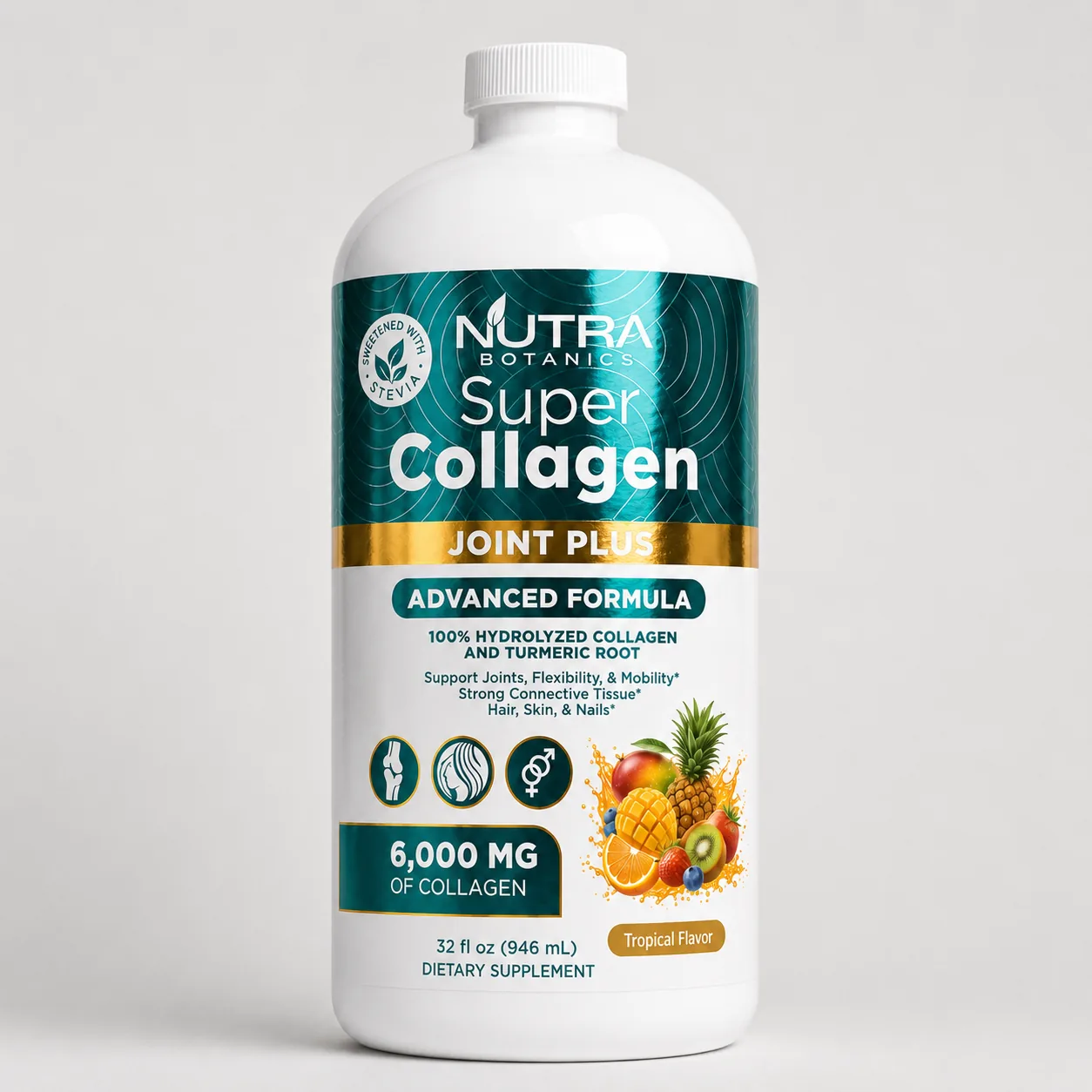
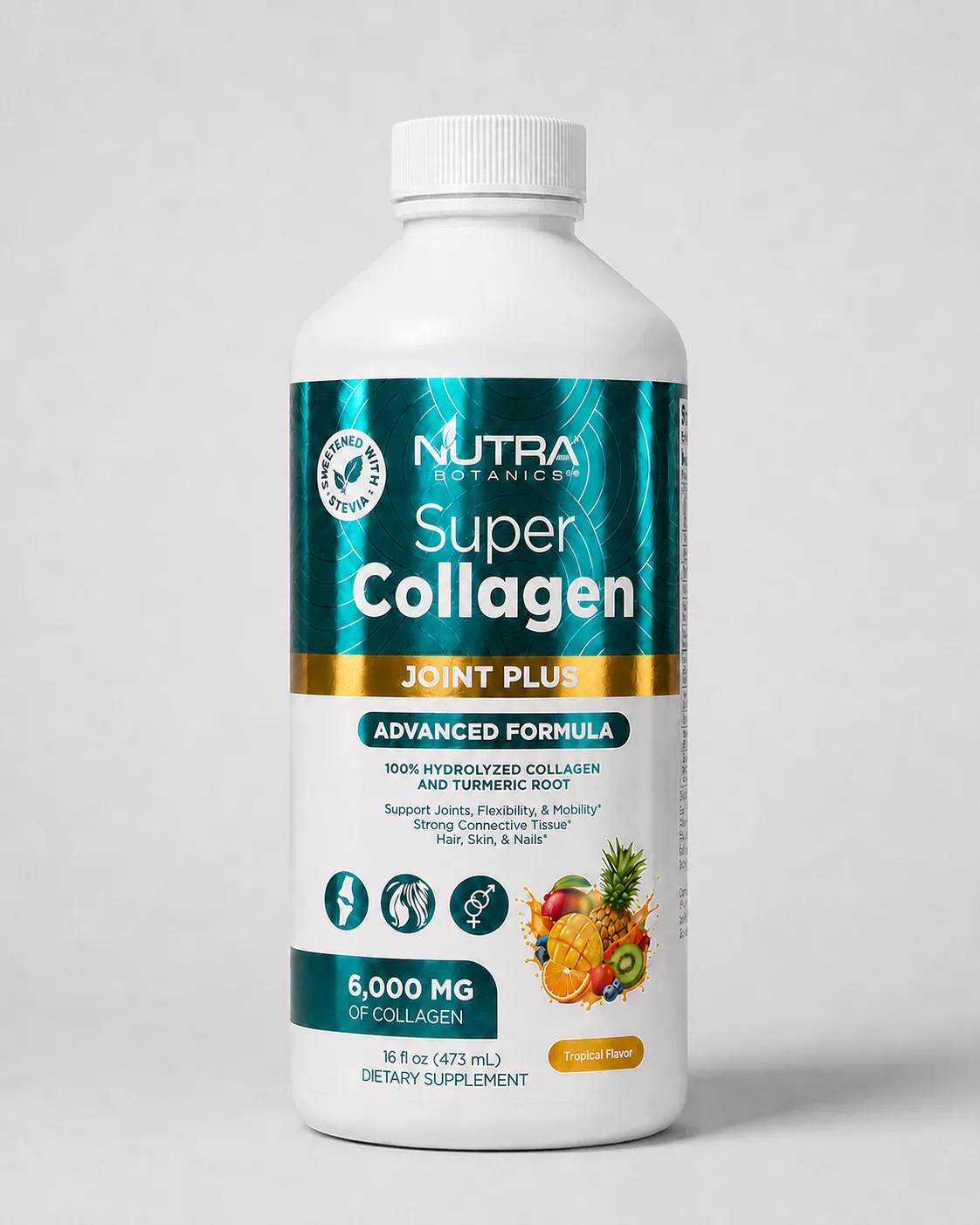
Super Collagen Joint Plus gives you a ready-to-pour liquid format. Both bottle sizes list 6 g hydrolyzed collagen and 100 mg vitamin C per 30 mL serving. Vitamin C supports your body's normal collagen formation.
Same serving. Different bottle sizes.
| What to compare | 16 oz bottle | 32 oz bottle |
|---|---|---|
| Labeled servings | 16 | 32 |
| Serving size | 30 mL | 30 mL |
| Collagen per serving | 6 g | 6 g |
| Vitamin C per serving | 100 mg | 100 mg |
Choose the smaller bottle for a smaller first purchase, or compare 32 oz for more labeled servings. The blend also lists glucosamine, MSM, chondroitin, turmeric, hyaluronic acid and tart cherry, each with its own amount.
Read the complete warnings and directions. Both labels say to shake well and keep refrigerated. Servings are not automatically days of use, because the package's frequency matters.
For other formats, browse the formula catalog. Our collagen safety guide covers suitability questions. FDA advises discussing supplements when medicines or medical conditions are involved.
Quick answers before you choose
Does the collagen you eat go directly to your skin?
Can you get the same results from collagen-boosting foods as from supplements?
Is expensive collagen always better than affordable collagen?
Does collagen make you gain weight?
Is collagen only for women?
Is it true that collagen supplements can't be absorbed by the body?
*These statements have not been evaluated by the Food and Drug Administration. This product is not intended to diagnose, treat, cure, or prevent any disease. Individual results may vary.
Research and label sources
Nutra Botanics sells supplements and publishes this guide. The studies cited here do not establish the same result for our finished formula.
- Iwai (2005): collagen-derived peptides detected in human blood
- de Miranda (2021): pooled skin results
- Myung and Park (2025): skin results, study quality and funding
- Bassila (2026): skin outcomes and risk of bias
- Liang (2024): collagen derivatives and osteoarthritis
- Earlier joint-symptom review
- Collagen preparation and source differences
- Recombinant collagen production methods
- NIH: vitamin C and normal collagen formation
- 32 oz formula, label and directions and 16 oz formula, label and directions