

Related reading: Does Collagen Actually Work? (Research Review), 12 Foods That Boost Collagen Production, How Much Collagen Per Day, Best Time to Take Collagen.
What Is Marine Collagen?
Marine collagen is extracted from the skin, scales, and bones of fish — most commonly cod, tilapia, salmon, or snapper. The raw materials are a byproduct of the fishing industry, which means marine collagen is often positioned as a more sustainable alternative to animal-derived sources. Once extracted, the collagen is hydrolyzed — broken down into small peptide chains — to make it easier for the body to absorb.
Marine collagen is predominantly Type I collagen, which is the same type that makes up 80 to 90 percent of human skin. Because of this structural similarity, marine collagen is particularly prized in the skincare and anti-aging supplement market. Its molecular weight is notably lower than bovine collagen, which translates to faster absorption and quicker delivery to the skin's deeper layers.
One important characteristic of marine collagen is its amino acid profile. It is especially rich in hydroxyproline, a key building block for collagen synthesis in the body. Hydroxyproline is relatively rare in plant-based foods, making marine (and bovine) collagen a uniquely efficient way to supply this amino acid directly to tissues that need it most.
What Is Bovine Collagen?
Bovine collagen comes from cattle — typically from the hide, bones, and cartilage of cows. It is one of the most widely used sources of collagen in the supplement industry due to its accessibility, low cost, and broad collagen type coverage. When grass-fed, pasture-raised cattle are used as the source, bovine collagen is considered a high-quality, clean ingredient.
Unlike marine collagen, which is almost exclusively Type I, bovine collagen contains significant amounts of both Type I and Type III collagen. Type III collagen is found in skin, blood vessels, organs, and the gut lining — making bovine collagen a more versatile option for people who want broader connective tissue support beyond just the skin.
Bovine collagen also tends to be richer in glycine and proline, two amino acids that are critical not only for collagen synthesis but also for gut health and immune function. This makes bovine collagen a popular choice among athletes and those focused on recovery, gut lining support, and musculoskeletal health.
Side-by-Side Comparison
Rather than declare one source universally superior, it helps to see how they compare across the categories that matter most. Here is a clear breakdown:
| Category | Marine Collagen | Bovine Collagen |
|---|---|---|
| Primary Source | Fish skin, scales, bones | Cattle hide, bones, cartilage |
| Collagen Types | Predominantly Type I | Type I & Type III |
| Molecular Weight | Lower — faster absorption | Slightly higher molecular weight |
| Best For | Skin elasticity, anti-aging, hydration | Joints, gut, muscle recovery, bones |
| Taste / Odor | Mild fish taste (neutralized in quality formulas) | Nearly flavorless |
| Sustainability | Uses fish industry byproducts | Depends on farming practices |
| Dietary Suitability | Not suitable for beef-free diets; fine for pescatarians | Not suitable for fish-free diets; fine for meat eaters |
| Typical Price | Slightly higher | Generally more affordable |
Absorption and Bioavailability
One of the most significant differences between marine and bovine collagen is how efficiently the body absorbs each type. Bioavailability — the proportion of a nutrient that actually reaches the bloodstream and tissues — is where marine collagen has a measurable edge.

Marine collagen peptides have a lower average molecular weight — approximately 300 to 800 Daltons — compared to bovine peptides, which typically range from 1,000 to 3,000 Daltons. Smaller peptides pass through the intestinal wall more readily and enter systemic circulation faster. Some research suggests this lower molecular weight may contribute to efficient absorption, though individual results vary.
"Marine-derived collagen peptides demonstrated significantly higher intestinal absorption compared to bovine-derived peptides, likely due to their lower molecular weight and greater solubility in aqueous environments."
Journal of Agricultural and Food Chemistry, 2021That said, bioavailability is not the only metric that matters. If you need the specific amino acid profile of bovine collagen — particularly the higher glycine content for gut and joint support — then superior absorption of a Type I-only marine source may not fully serve your goals. The best collagen formula is the one matched to your primary health objective.
One area where the bioavailability gap shrinks significantly: liquid collagen formulas. Because liquid collagen is already in solution, both marine and bovine peptides are pre-dispersed and require less digestive breakdown regardless of molecular weight. This is one reason why liquid collagen — whether marine or bovine — tends to outperform powder and capsule formats for people who need fast, efficient delivery.
Best Uses: Skin, Joints, Gut, and Bones
Choosing between marine and bovine collagen becomes much clearer once you identify your primary wellness goal. Here is how each source performs across the most common reasons people take collagen:
Skin Elasticity & Anti-Aging
High Type I content and smaller peptide size let marine collagen reach the dermis faster. Clinical studies show improvements in elasticity, hydration, and wrinkle depth within 8–12 weeks.
Joint Comfort & Cartilage Support
Type II content (especially in cartilage-derived bovine hydrolysate) and higher glycine make it better for joint cushioning, cartilage maintenance, and mobility.
Gut Lining & Digestive Health
The glycine-rich profile supports intestinal lining integrity — the go-to choice for digestive wellness and gut permeability goals.
Bone Density & Structural Support
Both contribute Type I collagen to the organic bone matrix. Paired with calcium and vitamin D, either source supports long-term bone density.
Hair & Nail Strength
High hydroxyproline content supplies the primary amino acid building block for keratin. Users often report faster nail growth and stronger hair with consistent marine supplementation.
If your primary goal is younger-looking skin, hair strength, and faster results, marine collagen has the advantage. If you are focused on joint comfort, gut health, and broad connective tissue support, bovine collagen is the better fit. Many people benefit from a blend of both — which is exactly why quality multi-source collagen formulas exist.
Dietary and Sustainability Considerations
For many people, dietary restrictions and environmental values play a significant role in choosing between collagen sources. Here is what you need to know:
Pescatarians: If you eat fish but avoid red meat and poultry, marine collagen aligns with your dietary preferences while still providing the benefits of animal-derived collagen peptides.
Sustainability-conscious consumers: Marine collagen is often sourced from parts of the fish that would otherwise be discarded, making it a lower-waste option when sourced responsibly from wild-caught or certified fisheries.
Fish allergy sufferers: Anyone with a shellfish or fish allergy should avoid marine collagen entirely and opt for bovine or other non-fish sources.
Those with beef sensitivities: Individuals with sensitivities to bovine-derived products can often tolerate marine collagen without issue, though fish allergies would obviously preclude this option.
Fish allergy sufferers: Anyone with a shellfish or fish allergy should avoid marine collagen entirely and opt for bovine or other non-fish sources.
Athletes focused on recovery: The glycine density of bovine collagen supports muscle recovery, connective tissue repair, and sleep quality — making it a strong choice for performance-minded individuals.
Those prioritizing gut health: If gut lining integrity is your primary concern, bovine collagen — particularly from grass-fed, pasture-raised sources — offers superior support due to its Type III and glycine content.
It is worth noting that neither marine nor bovine collagen is vegan or vegetarian. Anyone following a plant-based diet should look for other strategies to support collagen production, such as vitamin C-rich foods, silica, and zinc — nutrients that support the body's own collagen synthesis pathways.
Price and Availability
Bovine collagen is generally the more affordable option because cattle hides are abundantly available as a byproduct of the meat industry. Marine collagen commands a higher price point due to the additional processing required to extract collagen from fish tissue and the quality variation between farmed and wild-caught fish sources.
The premium for marine collagen is often justified by its higher bioavailability and superior skin benefits — but if budget is a primary consideration and you are not focused specifically on skin-related outcomes, bovine collagen delivers excellent value per gram of collagen peptides.
The Verdict: Which Should You Choose?
There is no single winner in the marine vs. bovine debate — the right choice depends entirely on your goals, your dietary preferences, and how you prioritize different health outcomes. Here is a simple framework to guide your decision:
Choose marine collagen if: Your primary concern is skin health, anti-aging, and you want the fastest absorption possible. It is also the better option for pescatarians or anyone avoiding beef products.
Choose bovine collagen if: You are focused on joint comfort, gut health, muscle recovery, or broad connective tissue support. It is also the more cost-effective choice for daily supplementation at higher doses.
Consider a blended formula if: You want comprehensive support across all areas — skin, joints, gut, and bones. Some of the most effective collagen supplements on the market combine multiple sources to deliver the full spectrum of collagen types and amino acid benefits in a single serving.
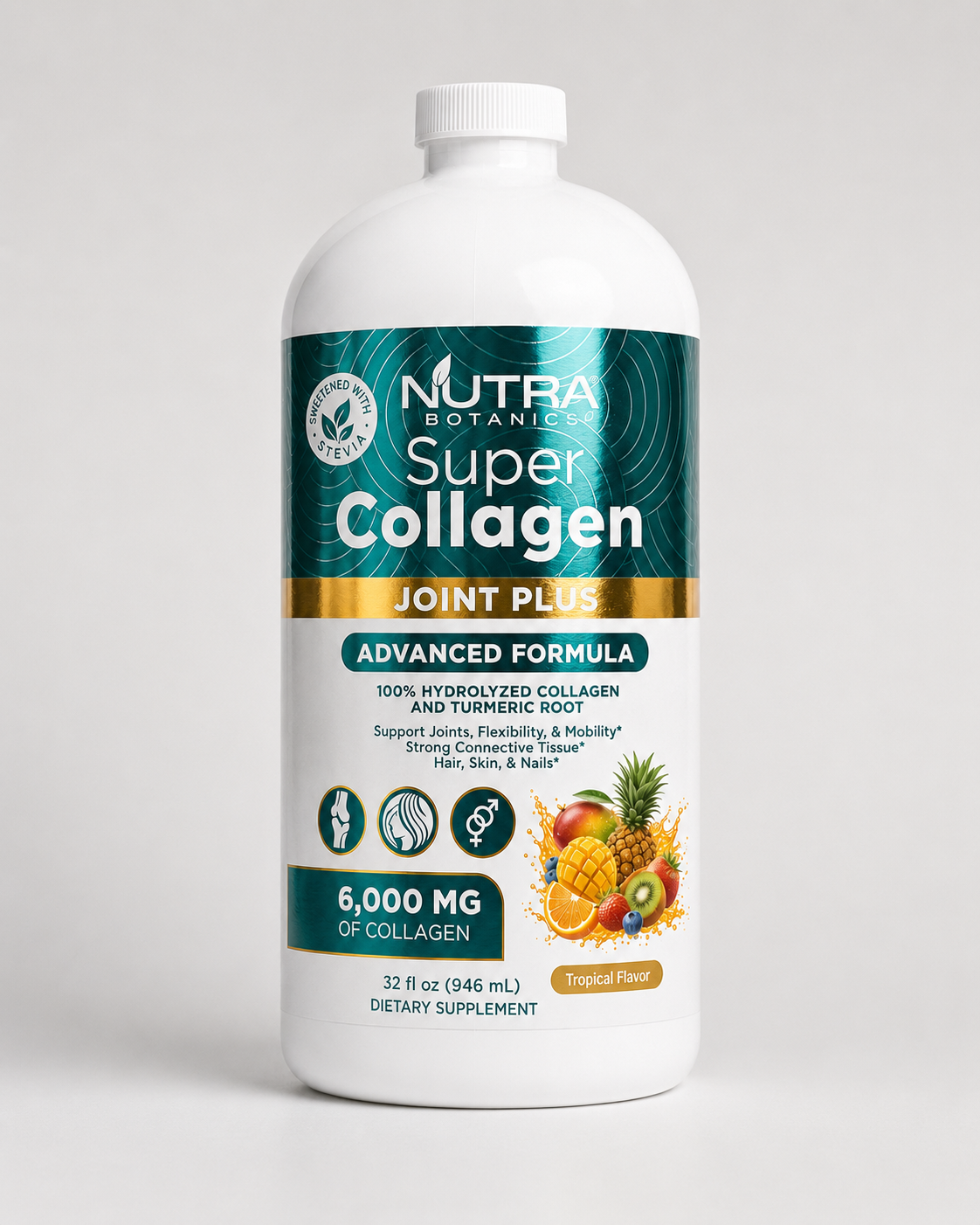
*These statements have not been evaluated by the Food and Drug Administration. This product is not intended to diagnose, treat, cure, or prevent any disease.
Whatever source you choose, consistency is the single most important factor in getting results. Collagen peptides need to be taken daily for a minimum of 8 to 12 weeks before the most significant benefits become visible. The differences between marine and bovine matter less than the question of whether you are actually taking your collagen every day. Start with the source that best matches your goals, commit to a daily habit, and give your body the time it needs to respond.
Find Your Perfect Collagen Formula
Premium hydrolyzed collagen in a liquid formula — maximum absorption, zero guesswork.
Shop Collagen ProductsFind Your Perfect Collagen Formula
Premium hydrolyzed collagen in a liquid formula — maximum absorption, zero guesswork.
Shop Collagen ProductsFrequently Asked Questions
What is the main difference between marine and bovine collagen?
Which absorbs better, marine or bovine collagen?
Is marine collagen better for skin?
Is bovine collagen better for joints?
Is one more sustainable than the other?
Can I take marine and bovine collagen together?
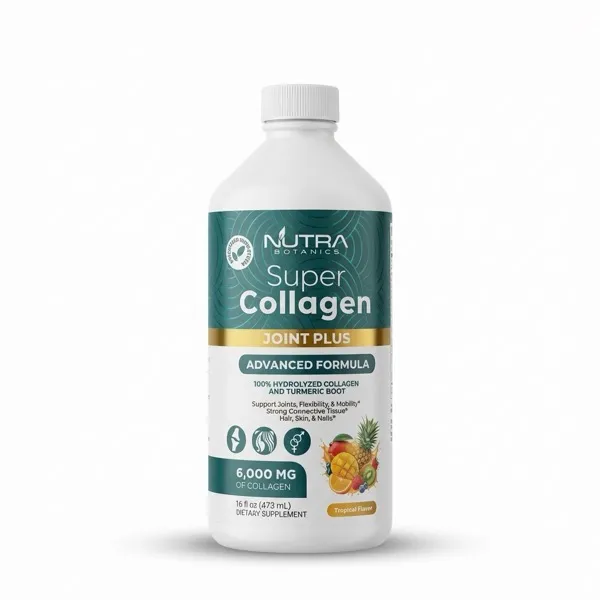
Super Collagen Liquid
Hydrolyzed Peptides · 30 servings
- 6,000mg hydrolyzed collagen peptides per serving
- Liquid format for maximum bioavailability
- Supports hair, nails, skin, and joints
- GMP & NSF certified · PhD-supervised testing
$39.95Free shipping over $75
Shop Super Collagen
Explore All Collagen Products
Browse the Nutra Botanics collagen range
- Multiple formats: liquid peptides, powders, capsules
- Compare serving sizes, sources, and stack partners
- Find the right format for your routine
- GMP & NSF certified · PhD-supervised testing
Shop the rangeSubscribe & save 20%
Browse Collagen