How long does collagen take to work? There is no single result date. Skin, joint and nail studies followed people for different lengths of time and tested specific preparations. An eight-week study tells you when researchers checked an outcome, not when your bottle will deliver a visible change.
Know what the timeline means
- Choose a specific goal. Skin elasticity, comfortable movement and brittle nails are different outcomes.
- Check the preparation. Findings from a named ingredient do not automatically apply to every collagen blend.
- Follow the full label. A study amount is not a reason to add extra servings to your routine.
Study length is not a promised result date
A follow-up period is the time researchers observe participants. It helps you understand a study, but it does not identify a first-response date or prove a permanent change. Start with the outcome you care about, then check what was actually measured.
| Focus | What researchers checked |
|---|---|
| Skin | An eight-week trial assessed elasticity and moisture in 69 women. Elasticity improved versus placebo; the moisture findings were not statistically significant. |
| Joints | A 24-week athlete trial assessed joint pain ratings. Several measures improved versus placebo. It did not establish a universal first-response week. |
| Nails | A 24-week study followed 25 people with brittle nails, plus four weeks after stopping. It reported improved nail measures, but had no control group. |
These are selected examples, not a ranking of products or a personal waiting schedule. The amounts, preparations and participants are explained below.
Skin: match the claim to the measurement
The eight-week skin trial used 2.5 g or 5 g of a specific collagen hydrolysate daily. Hydrolysate means collagen broken into smaller protein pieces. Both groups improved elasticity compared with placebo. That does not establish a week when your skin will feel plumper or makeup will sit differently.
A 2025 review of 23 trials found favorable overall results for hydration, elasticity and wrinkles. However, its high-quality-study subgroup and studies without pharmaceutical-company funding showed no significant benefit. Those differences matter when judging a confident timeline claim.
Elasticity means how skin stretches and returns. Hydration and wrinkles are separate measurements. Read our collagen research guide for a wider comparison of findings.
Joints: compare the preparation and the people
The 24-week athlete trial used 10 g daily of CH-Alpha collagen hydrolysate. It recruited 147 athletes; 97 could be included in the statistical analysis. Several joint pain ratings improved versus placebo. This is not a 24-week promise for Joint Plus.
A 2024 review of osteoarthritis trials combined different collagen preparations and found small to moderate effects on pain and function. It does not establish that people with osteoarthritis respond faster than other shoppers, or that a retail blend treats the condition.
Persistent joint symptoms deserve a healthcare assessment. Do not use a supplement timeline as a reason to postpone care. For ingredient differences, read our joint-focused collagen guide.
Nails and hair need separate answers
The nail study tested 2.5 g of VERISOL daily. It was open-label, meaning participants knew what they were taking. Without a control group, other explanations for changes cannot be ruled out. Its nail findings do not establish a hair-density result or a three-to-six-month hair timeline.
If you are noticing hair loss or persistent nail changes, bring the symptoms and your complete supplement list to a healthcare professional. Increasing collagen because you have not noticed a change is not a personal treatment plan.
What to check before changing your routine
There is no proven shortcut that makes every collagen formula work faster. A larger number on the label, an extra supplement or a different clock time does not create a guaranteed response.
- Pick one clear goal. Avoid judging skin, movement, hair and nails as one result.
- Read all the ingredients. A blend contains more than collagen. Adding servings increases the other ingredients too.
- Check the measuring and storage instructions. Use the correct liquid measure or labeled scoop.
- Review any change before adding products. Include medicines and other supplements when asking for individual guidance.
Vitamin C supports normal collagen formation. That role does not show that an extra vitamin C supplement speeds up results from every collagen blend.
Food and skin-care habits matter to everyday health, but they should not be described as proven boosters of a supplement's results. Explore foods that support collagen production, how to read collagen serving amounts and practical morning and evening routines.
Choose a bottle using details you can verify
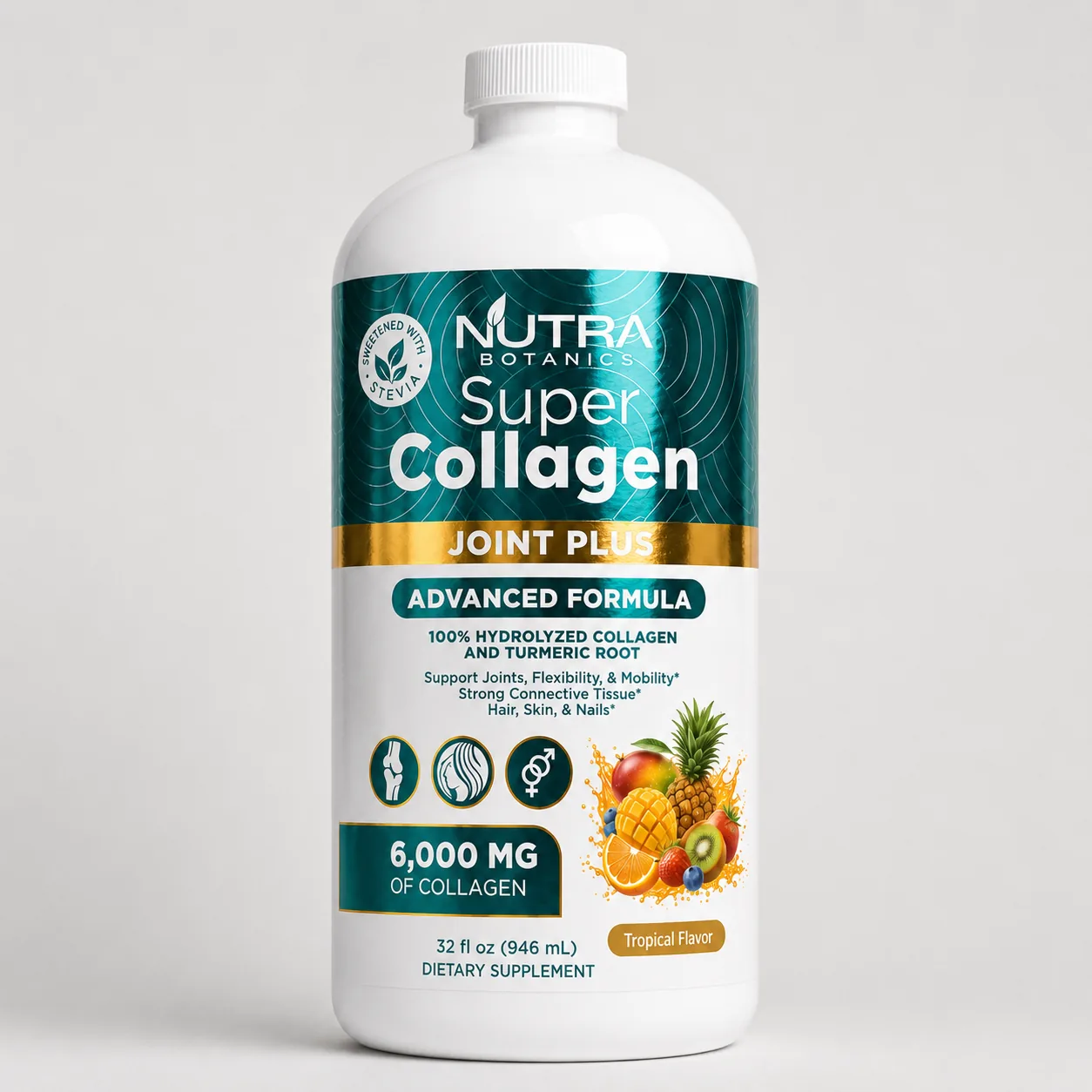
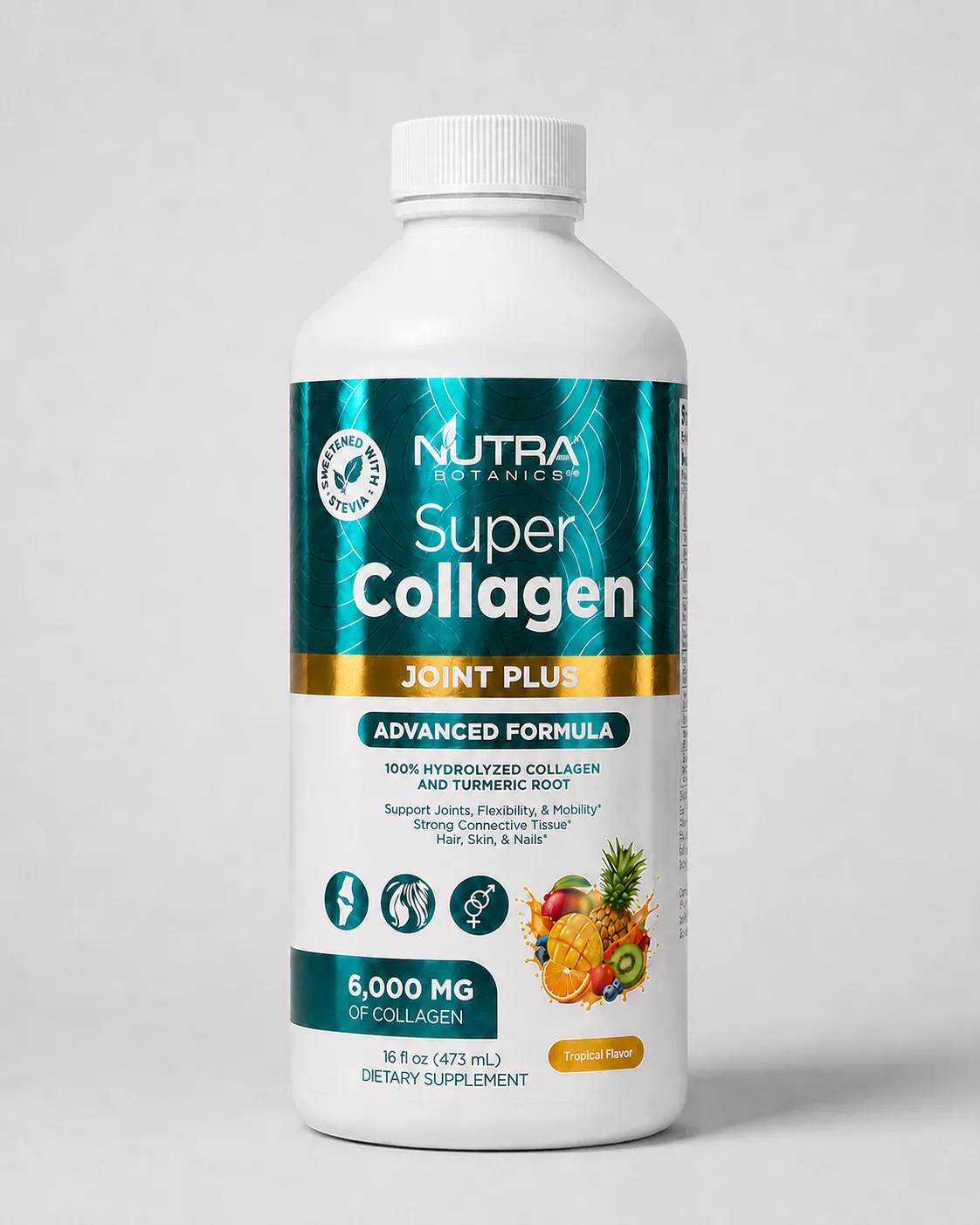
Joint Plus provides 6 g of hydrolyzed collagen and 100 mg of vitamin C per 30 mL serving. The 16 oz bottle lists 16 servings; the 32 oz bottle lists 32. The larger bottle supplies more servings of the same formula, not a stronger serving.
This is a measured liquid, with no powder to mix. Shake well, measure accurately and keep it refrigerated as directed. Compare the complete formula, storage and cost per labeled serving before choosing.
Find the bottle that fits your routine
Compare both Joint Plus sizes, their full labels and current purchase options.
Compare Joint Plus bottle sizesYour timeline questions, answered
Will I see collagen results in 2 weeks?
How much collagen do I need to see results?
Why is collagen taking so long to work for me?
Can I take collagen with other supplements?
Do I need to take collagen at a specific time?
Will collagen results disappear if I stop?
Sources and safe use
Follow the complete package directions and warnings. Review the full blend with your healthcare professional if you take medication, are pregnant or nursing, or manage a health condition. If you experience an adverse reaction, stop use and seek medical advice.

Explore the two Joint Plus bottles
Keep Exploring