
Key Takeaways
- Resistance training is the highest-leverage tool — muscle mass is metabolically active tissue
- Protein at 1.6–2.2g per kg bodyweight raises the thermic effect of food and supports lean mass
- NEAT (non-exercise activity — walking, fidgeting) can drive 300–800+ additional daily calories
- Sleep of 7–9 hours maintains thyroid function and hunger-hormone balance
- Metabolism declines 2–5% per decade — consistent strength training can offset most of this
Related reading: Metabolism After 40, Metabolism Supplements: Studied vs Hype, Signs of a Slow Metabolism, Green Tea Extract and Metabolism.
Understanding the Components of Metabolism
Total daily energy expenditure (TDEE) has four components: resting metabolic rate (RMR, 60–75% of total), the thermic effect of food (TEF, 10%), exercise activity thermogenesis (EAT, 5–30%), and non-exercise activity thermogenesis (NEAT, 15–50%). Most people focus exclusively on exercise — but NEAT, RMR, and TEF are often more modifiable and impactful than workout calories for daily metabolism.
RMR is primarily determined by lean body mass (muscle burns 6–8 calories per pound per day at rest vs. ~2 for fat), organ size, age, and hormonal status. The most durable way to raise RMR is to increase lean muscle mass through resistance training over time.
Resistance Training: The Most Permanent Metabolism Boost
Building lean muscle through progressive resistance training is the most lasting metabolic intervention available. Each pound of muscle added to your body raises resting metabolic rate by approximately 6–8 calories per day — modest per pound, but meaningful in aggregate. A 10-pound increase in lean mass raises RMR by 60–80 calories per day — 600–800 calories per week — permanently, without additional effort.
Resistance training also produces excess post-exercise oxygen consumption (EPOC) — an elevated metabolic rate for 24–48 hours after a training session as the body repairs muscle damage and restores glycogen. High-intensity interval training (HIIT) produces the largest EPOC effect per workout, making it particularly efficient for metabolic stimulus.
NEAT: The Underestimated Calorie Burner
Non-exercise activity thermogenesis — the calories burned through all movement that isn't deliberate exercise — is one of the most variable and trainable components of metabolism. NEAT includes walking, fidgeting, posture maintenance, and all the incidental movement of daily life. In some people, NEAT accounts for 50% of total daily calorie burn; in sedentary individuals, as little as 15%.
Research by Dr. James Levine at the Mayo Clinic found that NEAT differences of 2,000 calories per day between individuals of similar body size are possible — entirely from daily movement habits. Practical NEAT enhancement: standing desks, walking phone calls, taking stairs, parking farther away, and setting hourly movement reminders. These low-effort behaviors compound significantly over weeks and months without impacting recovery or requiring dedicated workout time.
Protein and the Thermic Effect of Food
Every food requires energy to digest, absorb, and metabolize — this is the thermic effect of food (TEF). Protein has by far the highest TEF: 25–30% of calories consumed from protein are burned in the process of digesting and utilizing them. Carbohydrates have a TEF of 5–10%; fats have only 0–3%. This means that two diets with identical total calories but different protein percentages have meaningfully different effective calorie counts.
A diet with 30% protein versus 15% protein burns approximately 80–100 more calories per day through TEF alone — with no change in activity or total food intake. This 'protein premium' is one of the most consistent and reproducible findings in metabolic nutrition research.
Green Tea Extract and Thermogenics
Green tea extract (standardized to EGCG) is the most evidence-backed thermogenic supplement for metabolic rate. EGCG inhibits catechol-O-methyltransferase, keeping norepinephrine elevated longer — which increases fat oxidation and thermogenesis. The combination of EGCG and caffeine is synergistic: a 2000 meta-analysis and multiple subsequent trials show the combination increases metabolic rate by 3–4% and fat oxidation by 10–16% above resting levels.
At standard doses (270–400mg EGCG plus natural caffeine), this translates to approximately 80–120 additional calories burned per day — modest but meaningful over weeks and months. The effect is most pronounced in people who don't already consume high habitual caffeine.
Sleep and Hormonal Metabolism Regulation
Sleep deprivation suppresses metabolism through multiple mechanisms: it reduces leptin (signaling starvation to the brain), increases ghrelin (driving hunger), raises cortisol (promoting fat storage and muscle breakdown), and reduces thyroid hormone conversion efficiency. Even two nights of restricted sleep (5 hours) measurably reduces next-day energy expenditure and increases appetite for high-calorie foods.
Adequate sleep (7–9 hours) is not a passive state — it's when growth hormone pulses (which support fat oxidation and muscle repair), cortisol resets to healthy rhythms, and insulin sensitivity is restored. For people trying to improve body composition, sleep is not optional lifestyle padding — it's an active metabolic requirement.
NutraBotanics Metabolism Bundle
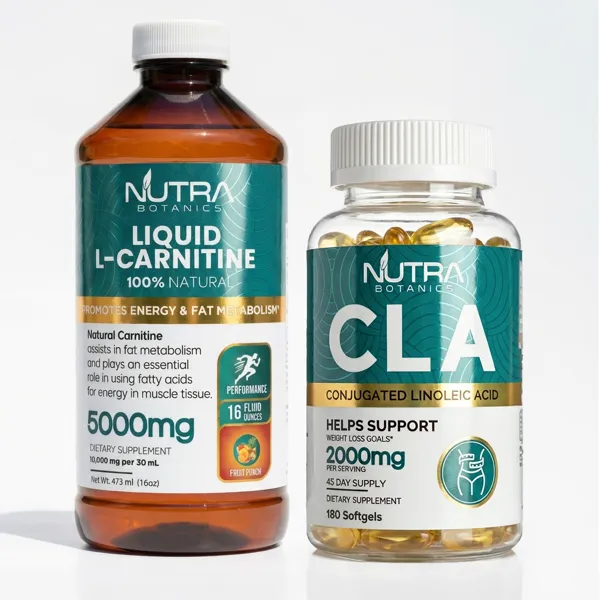
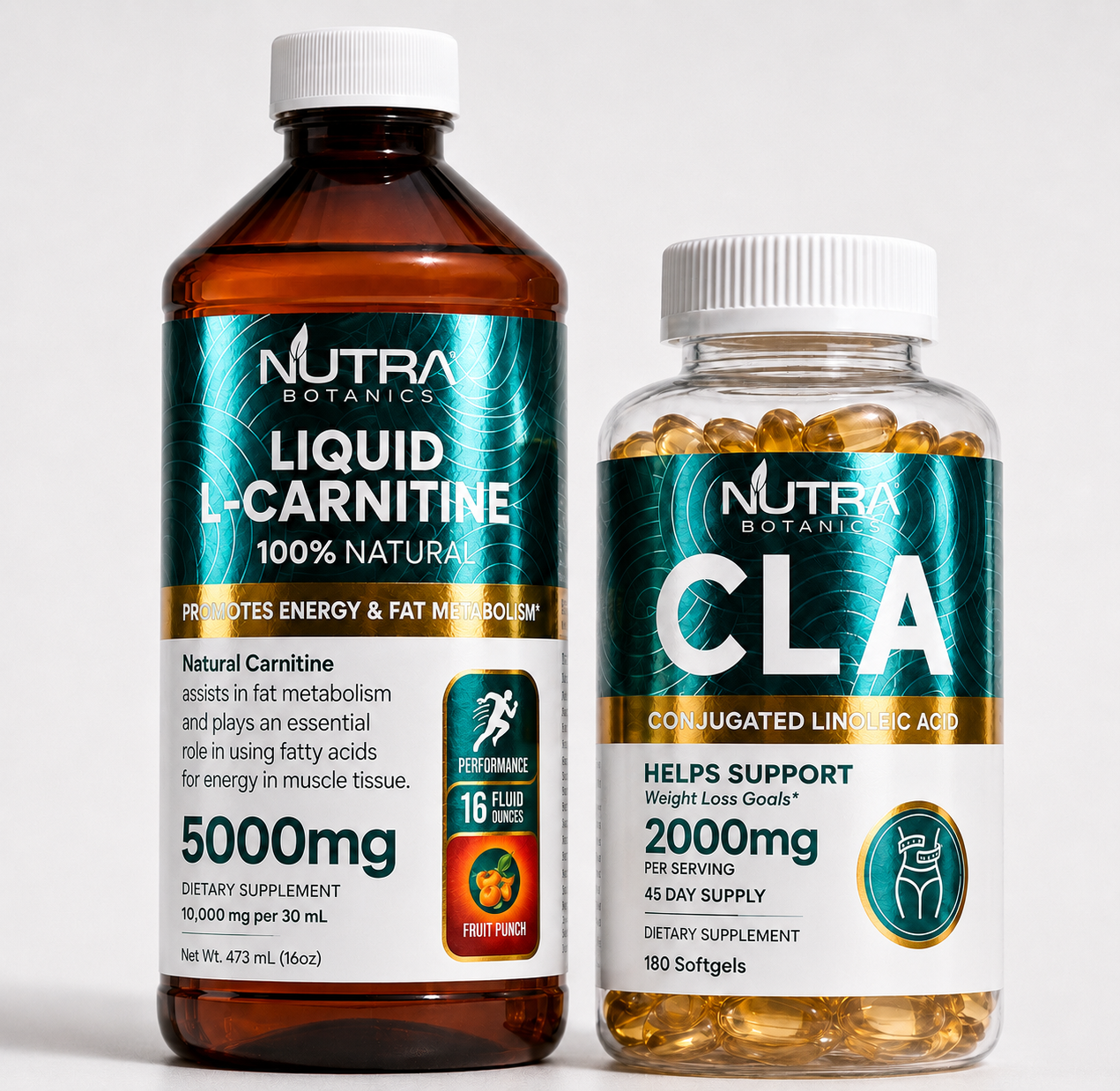
A metabolism support stack combining L-Carnitine 5000mg for fatty acid transport with CLA 2000mg for healthy body composition — save 19% vs buying separately.
Shop Metabolism Bundle →Frequently Asked Questions
How can I speed up my metabolism?
Does exercise boost metabolism?
What foods boost metabolism?
Do metabolism supplements actually work?
Why is my metabolism so slow?
How much does muscle mass affect metabolism?
Metabolism Booster Bundle
L-Carnitine 5000mg + CLA 2000mg · Dual-pathway support
- L-Carnitine supports fat transport into mitochondria
- CLA provides a complementary body-composition pathway
- Non-stimulant · bundle saves $11.99 vs individual
- GMP & NSF certified · PhD-supervised testing
See bundle pricingFree shipping over $75
Shop Metabolism Bundle
Explore Metabolism Support
Browse the Nutra Botanics metabolism range
- L-Carnitine, CLA, and bundle options
- Compare formats, dosing, and stack partners
- Non-stimulant pathway options
- GMP & NSF certified · PhD-supervised testing
Shop the rangeSubscribe & save 20%
Browse Metabolism