Key Takeaways
- Sleep of 7–9 hours is the highest-impact free lever — testosterone is primarily produced during sleep cycles
- Resistance training (especially compound lifts) and adequate body fat support natural testosterone production
- Zinc, vitamin D, and magnesium deficiencies are among the most common correctable causes of low T
- Chronic stress and elevated cortisol compete with testosterone production at the precursor level
- Lifestyle foundations outperform any single supplement — sleep, training, nutrition, and stress management come first
Related reading: Testosterone After 40, 8 Signs of Low Testosterone, Natural Testosterone Boosters, Zinc and Testosterone.
Sleep: The Foundation Everything Else Rests On
Testosterone is produced primarily during sleep — specifically during slow-wave NREM sleep, with the largest nocturnal pulse occurring in the early morning hours before waking. Men who sleep 5 hours per night have testosterone levels approximately 15% lower than men sleeping 8 hours, and this effect appears rapidly — as quickly as one week of sleep restriction produces measurable testosterone suppression.
Sleep quality matters as much as quantity. Sleep apnea — increasingly common after 35, particularly in overweight men — profoundly disrupts testosterone production. Men with untreated sleep apnea show testosterone levels 10–15% below matched controls. Treating sleep apnea often raises testosterone without any other intervention. For most men, optimizing sleep is the single fastest and most impactful natural testosterone intervention available.
Exercise: What Type, How Much, and What to Avoid
Not all exercise is equal for testosterone. Heavy resistance training with compound, multi-joint movements (squats, deadlifts, bench press, rows) produces the largest acute testosterone and growth hormone response. Sets of 6–10 reps at 70–85% of 1RM with short rest periods (60–90 seconds) produce the most robust hormonal response per session.
Chronic endurance exercise (marathon training, cycling, long-distance running) without concurrent strength training can suppress testosterone over time — elevated cortisol from sustained aerobic volume and potential under-fueling are the primary mechanisms. This doesn't mean cardio is bad — moderate cardio is beneficial for overall health — but men concerned about testosterone should prioritize resistance training and not sacrifice it for excessive cardio volume.
Nutrition: Foods That Support and Foods That Suppress
Several dietary patterns consistently correlate with testosterone levels in population research. Mediterranean and higher-fat diets (with saturated and monounsaturated fats from quality sources) support testosterone — testosterone is made from cholesterol, and very low-fat diets reduce the substrate available for steroidogenesis. Men on extreme low-fat diets (<15% calories from fat) consistently show lower testosterone.
Conversely, ultra-processed food diets, high sugar intake, and excessive alcohol consistently correlate with lower testosterone. Specific foods with testosterone-supporting evidence: eggs (cholesterol and saturated fat for steroidogenesis), oysters (richest dietary zinc source), lean red meat (zinc and protein), fatty fish (omega-3s, vitamin D), and cruciferous vegetables (indoles reduce estrogen load, potentially improving the T:E ratio).
Body Composition: The Underappreciated Variable
Excess body fat — particularly visceral abdominal fat — is one of the most powerful suppressors of testosterone in men, operating through multiple mechanisms. Visceral adipose tissue is rich in aromatase, converting testosterone to estradiol (estrogen) directly. Adipose tissue also produces pro-inflammatory cytokines (like TNF-α and IL-6) that suppress Leydig cell function. And the leptin resistance associated with obesity disrupts hypothalamic GnRH pulsatility — reducing the upstream hormonal signal for testosterone production.
For overweight men with low T symptoms, fat loss is often the highest-impact single intervention. Studies consistently show that weight loss in overweight men increases testosterone meaningfully — sometimes dramatically. The combination of caloric deficit, resistance training, and protein adequacy is the most effective approach, simultaneously reducing aromatase activity and building lean mass that supports higher testosterone in the long term.
Managing Cortisol: The Testosterone Killer
Chronic psychological stress, inadequate recovery between training sessions, excessive caffeine, poor sleep, and inflammatory diets all elevate cortisol chronically — and cortisol directly suppresses testosterone production through multiple pathways. This is why stress management is not a soft lifestyle suggestion for men concerned about testosterone — it's a concrete hormonal intervention.
Ashwagandha (KSM-66, 600mg/day) is the most evidence-backed supplement for cortisol reduction and testosterone support, with RCTs showing 14–27% cortisol reductions and 14–22% testosterone increases over 8 weeks. Regular exposure to nature, meditation or breathwork practices, and scheduled recovery periods between intense training blocks all contribute to cortisol management that translates directly to hormonal health.
A Practical Daily Protocol
Combining the highest-impact factors: ensure 7.5–9 hours of quality sleep with consistent timing. Resistance train 3–4 days per week with compound movements. Eat a whole-foods diet with adequate protein (1.6–2.2g/kg bodyweight), fat (30–35% of calories), and plenty of vegetables. Minimize alcohol (ideally fewer than 5 drinks per week). Manage weight toward a healthy BMI. Supplement strategically: vitamin D (3,000–5,000 IU/day if insufficient), zinc (15–25mg/day if dietary intake is low), and ashwagandha KSM-66 (600mg/day) address the three most common nutritional gaps impacting testosterone.
Get baseline testing: a morning testosterone panel (total T, free T, SHBG, LH, estradiol) provides the data needed to track progress and identify specific areas of imbalance. Progress over 3–6 months of consistent lifestyle optimization is meaningful and measurable for most men.
NutraBotanics Testo Boost
Complete natural testosterone support — ashwagandha, zinc, D3, fenugreek, and botanicals for men who take performance seriously.
Shop Testo Boost →Frequently Asked Questions
Can you really boost testosterone naturally?
How fast can testosterone increase naturally?
Does diet affect testosterone?
What exercises boost testosterone the most?
Does alcohol lower testosterone?
What is the single best thing I can do to increase testosterone?
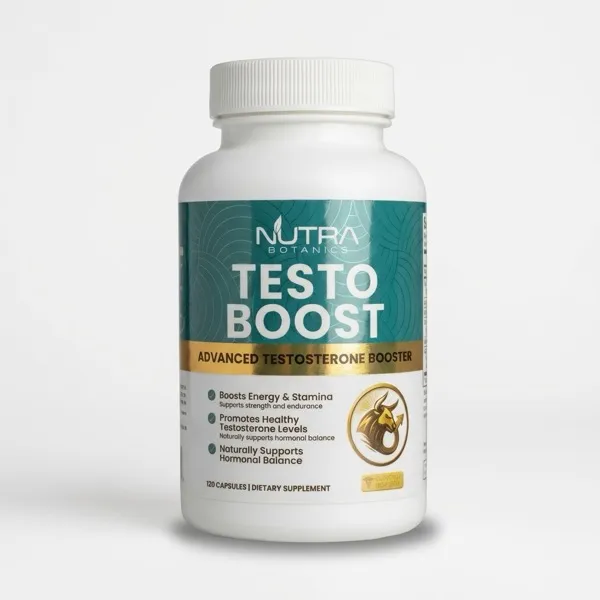
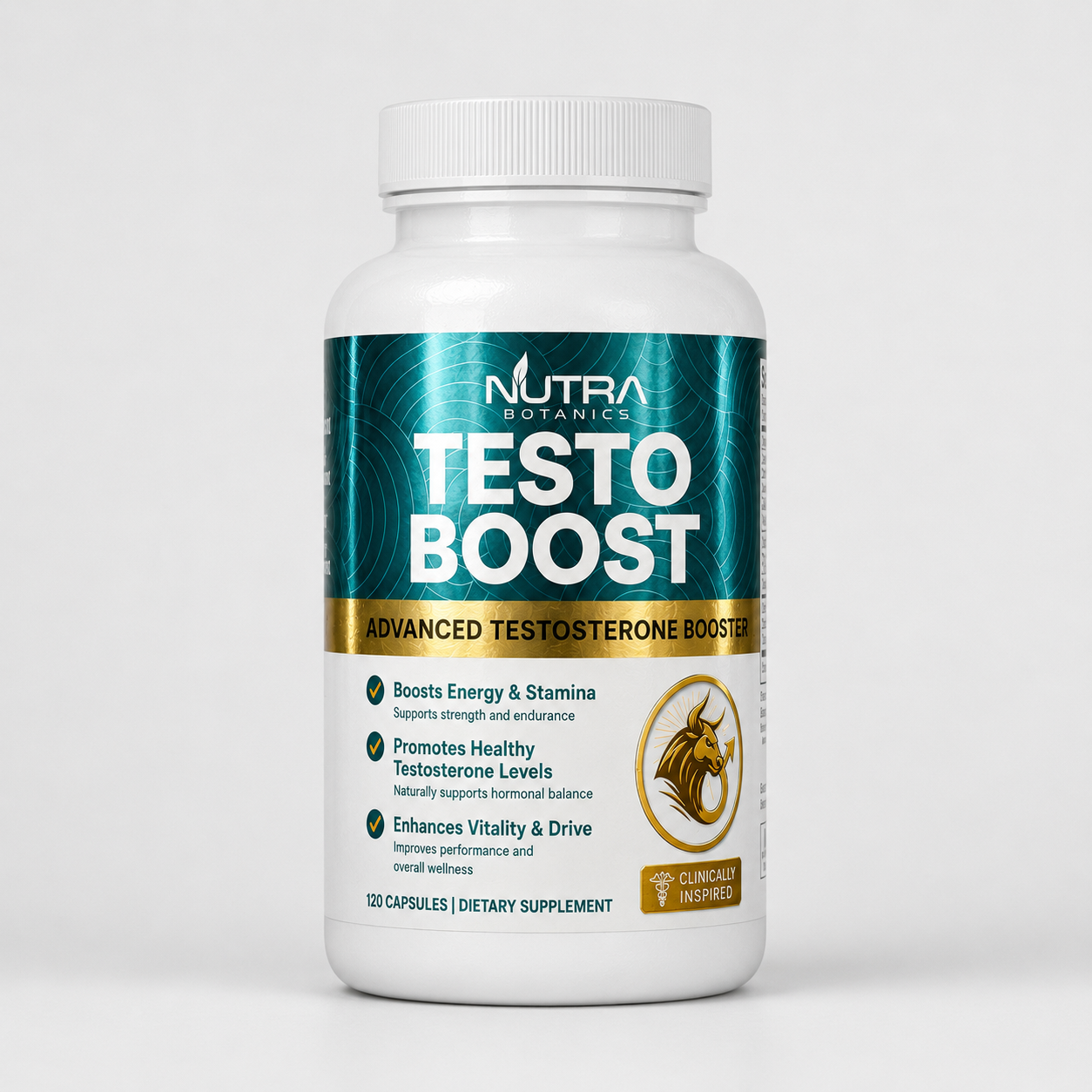
Testo Boost
Testosterone support · 30 servings
- A targeted formula men often stack alongside hormone-support habits — pairs with the lifestyle and nutrient foundations covered in this article.
$34.95Free shipping over $75
Shop Testo Boost
Explore the Full Catalog
Browse every Nutra Botanics formula
- Compare products, ingredients, and dosing across the full line
Shop the rangeSubscribe & save 20%
Shop All Products