
Key Takeaways
- Eight common signals: persistent fatigue, reduced libido, mood changes, loss of strength, increased body fat, brain fog, poor recovery, and sleep disturbance
- Testosterone declines ~1–2% per year after age 30 — most decline is gradual, but rapid changes warrant evaluation
- Sleep, training, body composition, and micronutrient status are the first places a healthcare provider typically looks
- Optimal total T ranges vary by age and lab; 600+ ng/dL is commonly referenced as healthy-adult territory
- Persistent symptoms deserve a proper lab workup rather than self-treatment with supplements
Related reading: How to Boost Testosterone Naturally, Testosterone After 40, Natural Testosterone Boosters, Zinc and Testosterone.
1. Persistent Fatigue Despite Adequate Sleep
One of the earliest and most common signs of low testosterone is fatigue that doesn't resolve with sleep. Testosterone plays a key role in mitochondrial function and energy metabolism — low levels impair the cells' ability to produce ATP efficiently. Men with low T consistently report lower energy, reduced motivation, and a general sense of tiredness that isn't explained by work, stress, or sleep deprivation alone.
This fatigue is often most pronounced in the afternoon — after the morning testosterone peak has dropped — and tends to worsen gradually over months or years rather than appearing suddenly. If you're consistently fatigued despite 7–9 hours of quality sleep and haven't recently undergone major stress or illness, testosterone is worth evaluating.
2. Reduced Libido
Testosterone is the primary driver of sexual desire in men. While libido naturally varies with stress, relationship factors, and life circumstances, a persistent, significant reduction in sexual interest — especially when it represents a notable change from your previous baseline — is one of the most reliable indicators of low testosterone.
Studies consistently find strong correlations between testosterone levels and libido scores in men. The threshold below which libido reliably decreases is approximately 300–400 ng/dL total testosterone — the same range used to diagnose clinical hypogonadism. Reduced morning erections (which are testosterone-dependent) are a related sign worth noting.
3. Loss of Muscle Mass and Strength
Testosterone is anabolic — it promotes muscle protein synthesis and prevents muscle catabolism. When testosterone falls, maintaining or building muscle becomes progressively harder even with consistent training. Men with low T often notice that strength gains stall, recovery takes longer, and muscle mass decreases gradually even without changes in training or diet.
This effect is accelerated in men over 40, when both testosterone decline and the natural process of sarcopenia (age-related muscle loss) overlap. If resistance training performance is declining without explanation, or if body composition is shifting toward more fat and less muscle despite consistent effort, low testosterone is a plausible contributor.
4. Increased Body Fat — Especially Abdominal
The relationship between testosterone and body fat is bidirectional. Low testosterone promotes fat accumulation (particularly visceral abdominal fat), and excess body fat increases aromatase activity — the enzyme that converts testosterone to estrogen — further lowering testosterone. This creates a self-reinforcing cycle that becomes harder to break without deliberate intervention.
Men with low T disproportionately accumulate fat in the abdominal region, and often find that fat loss is significantly slower and harder than it was in their 20s. Increased breast tissue (gynecomastia) in some men is a direct consequence of the elevated estrogen-to-testosterone ratio that accompanies this pattern.
Men with low T disproportionately accumulate fat in the abdominal region, and often find that fat loss is significantly slower and harder than it was in their 20s.
5. Mood Changes, Irritability, and Depression
Testosterone has significant effects on mood regulation. Low T is associated with increased irritability, difficulty concentrating, reduced motivation, and clinical depression. A major systematic review found that men with low testosterone have significantly higher rates of depression than age-matched men with normal testosterone — and that testosterone therapy improves depression scores meaningfully in hypogonadal men.
The mood effects of low testosterone are often subtle and attributed to external causes (work stress, relationship issues) rather than a hormonal explanation. The tell-tale pattern: mood symptoms that are chronic, gradually worsening, and don't respond well to standard stress management or life changes.
6. Sleep Disturbances
Testosterone and sleep have a bidirectional relationship. Testosterone is primarily produced during sleep — particularly during deep NREM sleep — and sleep deprivation directly suppresses testosterone production. But low testosterone also disrupts sleep architecture, particularly increasing the risk of sleep apnea (which in turn further suppresses testosterone).
Men with sleep apnea have significantly lower testosterone levels than matched controls. Treating sleep apnea (with CPAP or weight loss) can meaningfully restore testosterone levels without pharmaceutical intervention. If you snore heavily, feel unrefreshed after sleep, or have been told you stop breathing during sleep, assessment for sleep apnea is a high-value first step.
7. Cognitive Fog and Memory Issues
Testosterone has neuroprotective effects and plays a role in cognitive function — particularly spatial reasoning, working memory, and processing speed. Men with low testosterone report higher rates of cognitive complaints including difficulty concentrating, word-finding difficulties, and reduced mental sharpness.
A 2016 study in the Journal of the American Geriatrics Society found that testosterone therapy improved cognitive function in older men with low T — particularly memory and executive function scores. While testosterone is not a cognitive enhancer in men with normal levels, the cognitive decline associated with low T is a real and increasingly recognized symptom.
8. Reduced Bone Density
Testosterone is essential for bone density maintenance in men — it directly stimulates osteoblast (bone-building) activity and indirectly through aromatization to estrogen, which also plays a critical role in male bone metabolism. Men with long-standing low testosterone have significantly higher rates of osteoporosis and fracture risk than age-matched controls.
This sign is insidious because bone loss is asymptomatic until a fracture occurs. Men with multiple other low T symptoms, particularly those over 50, may benefit from a bone density scan (DEXA scan) to assess whether subclinical bone loss has occurred. Early intervention — whether lifestyle, supplementation, or testosterone therapy — has much greater benefit before significant bone density is lost.
NutraBotanics Testo Boost
Targeted testosterone support for men experiencing the effects of declining T — ashwagandha, zinc, D3, and proven botanical extracts.
Shop Testo Boost →Frequently Asked Questions
What is considered low testosterone?
Can low testosterone be fixed naturally?
Should I get my testosterone tested?
Does age cause low testosterone?
What is the best natural way to raise testosterone?
Can stress cause low testosterone?
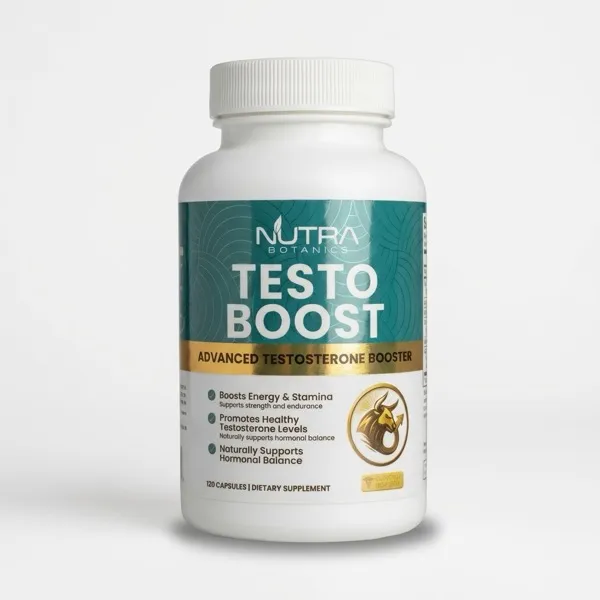
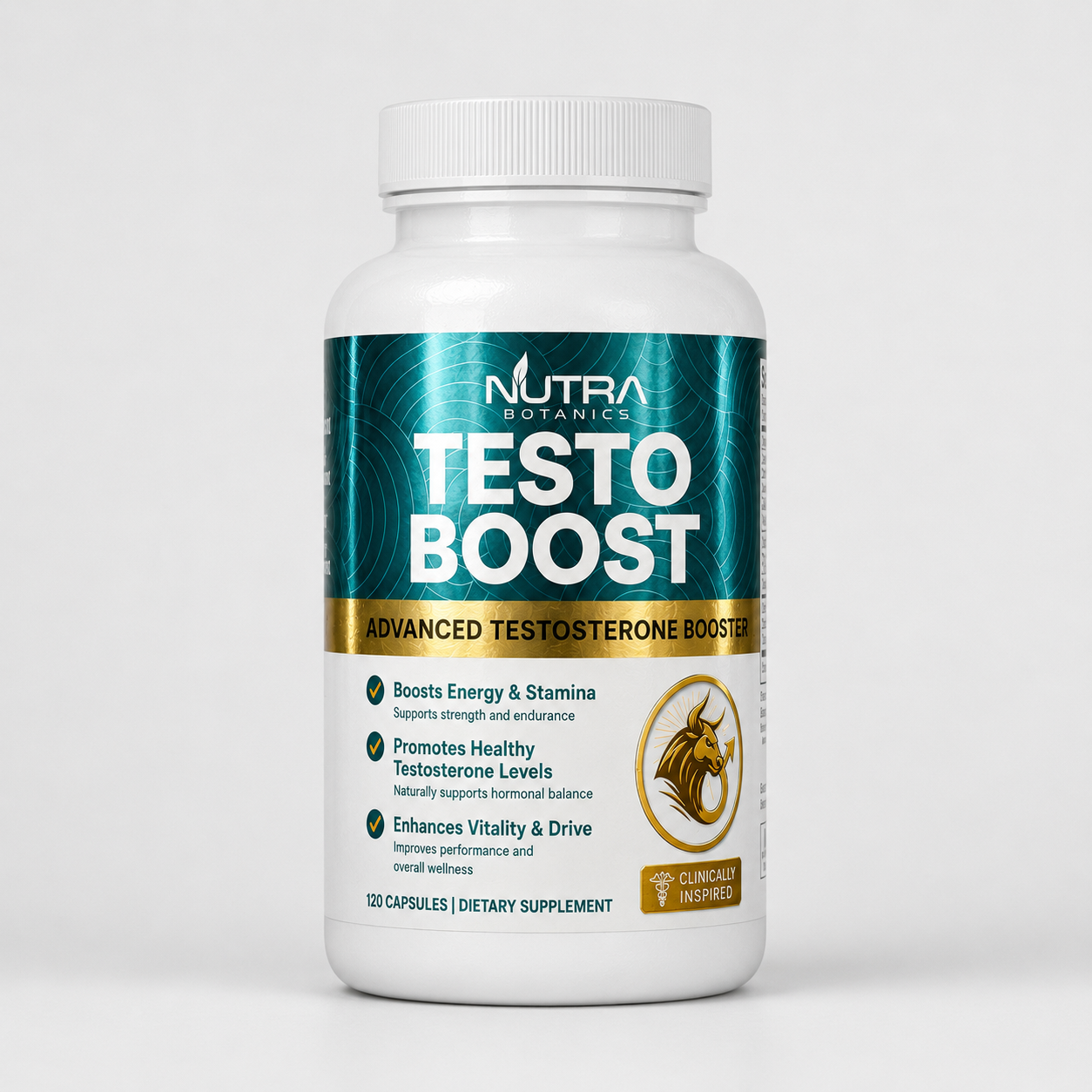
Testo Boost
Testosterone support · 30 servings
- A targeted formula men often stack alongside hormone-support habits — pairs with the lifestyle and nutrient foundations covered in this article.
$34.95Free shipping over $75
Shop Testo Boost
Explore the Full Catalog
Browse every Nutra Botanics formula
- Compare products, ingredients, and dosing across the full line
Shop the rangeSubscribe & save 20%
Shop All Products