
Key Takeaways
- Pre-workouts contain caffeine and beta-alanine for acute energy and performance; BCAAs support muscle synthesis and reduce soreness
- They solve different problems — pre-workout is acute performance, BCAAs are recovery and muscle support
- For fasted or caloric-deficit training, BCAAs offer the most targeted benefit
- For energy and intensity on low-sleep days, a pre-workout with caffeine and citrulline is more effective
- Many athletes use both — pre-workout before training, BCAAs during or after — for complementary benefits
Related reading: BCAA Benefits, BCAA Dosage, BCAA for Women, Best Time to Take BCAAs.
What Is Pre-Workout?
A pre-workout supplement is a performance-focused formula designed to be taken 20 to 30 minutes before exercise. Its primary purpose is to increase energy, focus, endurance, and blood flow so you can train harder and longer. Most pre-workout formulas contain a combination of ingredients that work synergistically to enhance your workout performance.
Common ingredients in quality pre-workout supplements include:
- Caffeine: The most well-known stimulant for increasing alertness, focus, and energy output. Doses typically range from 150 mg to 300 mg per serving.
- Beta-Alanine: An amino acid that buffers lactic acid buildup in muscles, allowing you to push through more reps before fatigue sets in. It is responsible for the tingling sensation some people feel after taking pre-workout.
- Citrulline Malate: Boosts nitric oxide production, which dilates blood vessels and increases blood flow to working muscles. This means better muscle pumps, improved nutrient delivery, and reduced fatigue.
- Creatine: Supports ATP regeneration for short bursts of high-intensity effort, improving strength and power output.
Nutra Botanics' Pre-Workout Energizer is formulated with transparent, research-informed doses of these key ingredients, without unnecessary fillers or proprietary blends that hide what you are actually getting.
What Are BCAAs?
BCAAs, or branched-chain amino acids, are a group of three essential amino acids: leucine, isoleucine, and valine. They are called "essential" because your body cannot produce them on its own and must obtain them from food or supplements. BCAAs make up approximately 35% of the essential amino acids found in muscle protein.
The primary roles of BCAAs include:
- Stimulating muscle protein synthesis: Leucine, in particular, activates the mTOR signaling pathway, which triggers the process of building new muscle tissue.
- Reducing muscle breakdown: During intense or prolonged exercise, your body can break down muscle tissue for energy. BCAAs help prevent this catabolic process.
- Decreasing exercise-induced muscle soreness: Research shows that BCAA supplementation can reduce delayed onset muscle soreness (DOMS) by 30% or more.
- Supporting hydration: Many BCAA formulas, including the Nutra Botanics BCAA Recovery Formula, include electrolytes to support hydration during training.
Key Differences at a Glance
| Feature | Pre-Workout | BCAA |
|---|---|---|
| Primary purpose | Boost energy, focus, and performance | Support recovery and reduce soreness |
| When to take | 20-30 min before exercise | Before, during, or after exercise |
| Contains stimulants | Usually (caffeine) | Typically no |
| Muscle recovery | Indirect | Direct |
| Can be used daily | Yes, but cycling is recommended | Yes, safe for daily use |
| Best for | Strength, HIIT, intense training | Endurance, recovery, lean muscle |
When to Choose Pre-Workout
Pre-workout is the better choice when your main goal is to maximize the quality and intensity of your training session. If you find yourself dragging through workouts, struggling to maintain focus, or hitting a plateau in your strength gains, a well-formulated pre-workout can make a meaningful difference.
Pre-workout is especially beneficial for:
- Early morning workouts when you need an energy boost
- High-intensity interval training (HIIT) and circuit training
- Heavy lifting sessions where strength and power matter
- Days when motivation is low and you need an extra push
When to Choose BCAAs
BCAAs are the better choice when your priorities center around recovery, muscle preservation, and hydration. They are particularly valuable for people who train frequently and need to recover between sessions, as well as those who train in a fasted state or on a calorie deficit.
BCAAs are especially beneficial for:
- Endurance activities like running, cycling, or swimming
- Fasted training when muscle breakdown risk is higher
- Cutting phases or calorie deficits when preserving muscle is critical
- Multiple training sessions per day where recovery speed matters
- Anyone sensitive to caffeine or stimulants
Can You Take Both?
Absolutely. In fact, combining pre-workout and BCAAs is a popular and effective strategy among serious athletes and fitness enthusiasts. They serve complementary purposes: pre-workout optimizes your performance during the session, while BCAAs support your recovery afterward.
A common protocol is to take your pre-workout 20 to 30 minutes before training, then sip on BCAAs during or immediately after your workout. This gives you the energy and focus to train at peak intensity while simultaneously providing your muscles with the amino acids they need to begin the recovery process.
For even more comprehensive amino acid support, consider the EAA + BCAA Hydration Formula, which delivers all nine essential amino acids along with electrolytes for total workout coverage.
Who Benefits from What? A Quick Guide
To keep it simple, here is a quick guide based on common goals:
- Building strength and muscle: Pre-workout before sessions, BCAAs for recovery
- Losing fat while keeping muscle: BCAAs during fasted cardio, pre-workout before resistance training
- Endurance sports: BCAAs during and after long sessions
- General fitness: Start with BCAAs for recovery, add pre-workout as training intensifies
- Caffeine-sensitive individuals: BCAAs are the safer choice
The Bottom Line
Pre-workout and BCAAs are not competitors. They are teammates. Pre-workout gives you the energy and focus to perform at your best, while BCAAs help your body recover and rebuild afterward. If you can only pick one, choose based on your biggest need: performance or recovery. But if your budget and goals allow, using both is the most effective approach.
What matters most is choosing supplements with transparent labels, meaningful doses backed by research, and third-party testing. At Nutra Botanics, every product is formulated with these standards in mind, so you know exactly what you are putting into your body.
Complete recovery coverage: essential + branched-chain aminos with hydration support.
Frequently Asked Questions
What's the main difference between pre-workout and BCAAs?
Pre-workout is a performance supplement built around energy, focus, and training output — typically caffeine, beta-alanine, and citrulline. BCAAs (leucine, isoleucine, valine) are recovery-focused amino acids that reduce muscle breakdown and soreness. Pre-workout helps you train harder; BCAAs help you bounce back.
Can I take pre-workout and BCAAs together?
Yes, and it's a common stack. Take pre-workout 20–30 minutes before training for energy and focus, then sip BCAAs during or immediately after your session for recovery support. They don't interfere with each other — they cover different windows.
If I can only afford one, which should I choose?
Match it to your biggest limiter. If energy, focus, or training intensity is holding you back, choose pre-workout. If soreness, slow recovery, or training in a fasted state or calorie deficit is your bottleneck, choose BCAAs. Beginners focused on general fitness usually get more mileage from BCAAs first.
Is it safe to take pre-workout every day?
Daily use is generally safe for healthy adults at standard doses, but cycling is recommended because caffeine tolerance builds quickly and blunts the benefit. A common approach is 4–6 weeks on, 1–2 weeks off, or reserving pre-workout for your hardest training days.
Do BCAAs work if I already get enough protein?
If your daily protein is adequate (around 0.7–1g per pound of bodyweight from whole foods), extra BCAAs offer smaller marginal gains. They're most useful during fasted training, cutting phases, long endurance sessions, or between protein-rich meals — situations where circulating amino acids may be low. See our BCAA dosage guide for more context.
Will pre-workout help me build muscle?
Indirectly. Pre-workout doesn't build muscle on its own, but by increasing training intensity, volume, and focus, it lets you generate the mechanical stimulus that drives muscle growth. Creatine — often included in pre-workout formulas — contributes more directly to strength and power output.
Are BCAAs better than a full EAA supplement?
An EAA (essential amino acid) formula contains all nine essentials, including the three BCAAs, and research suggests full EAAs stimulate muscle protein synthesis more completely than BCAAs alone. If you're picking one from scratch, EAA + BCAA blends offer broader coverage. Dedicated BCAAs still work well for intra-workout hydration and muscle-breakdown support.
Can I take pre-workout if I'm sensitive to caffeine?
Look for a stimulant-free pre-workout — the performance ingredients (citrulline malate, beta-alanine, creatine) work without caffeine. Alternatively, BCAAs are a safer choice for caffeine-sensitive athletes since they contain no stimulants and still support training and recovery.
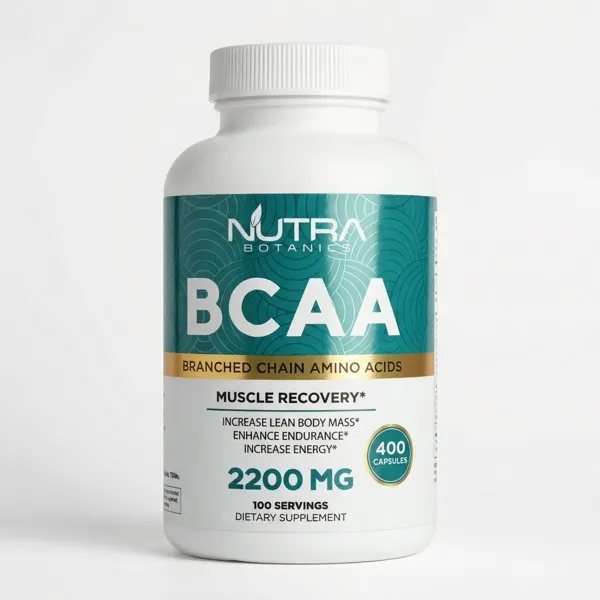
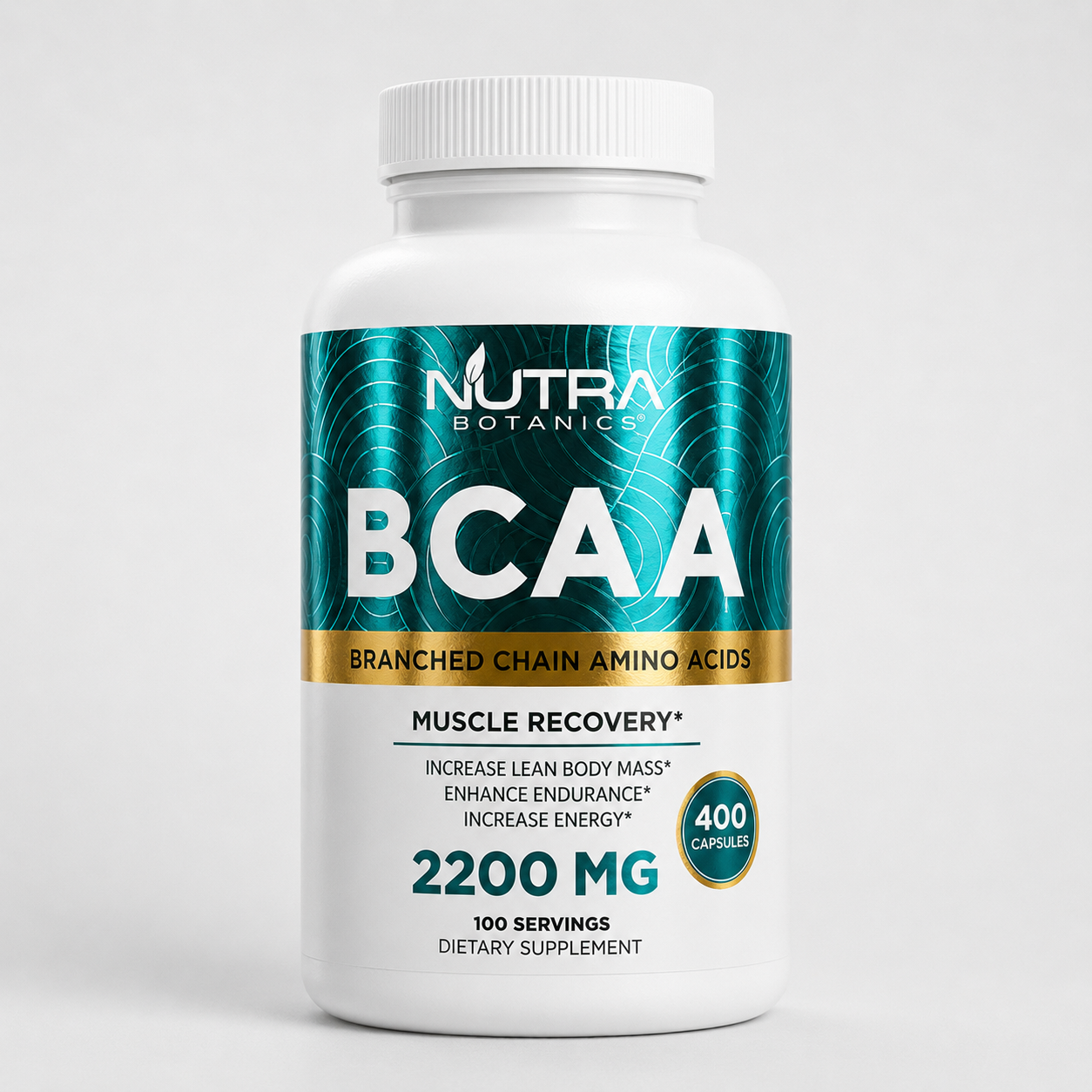
BCAA Plus
2:1:1 ratio · 30 servings
- 5g BCAAs per serving (leucine, isoleucine, valine)
- Clinically studied 2:1:1 ratio for muscle protein synthesis
- Supports endurance, recovery, and lean mass preservation
- GMP & NSF certified · PhD-supervised testing
$29.95Free shipping over $75
Shop BCAA Plus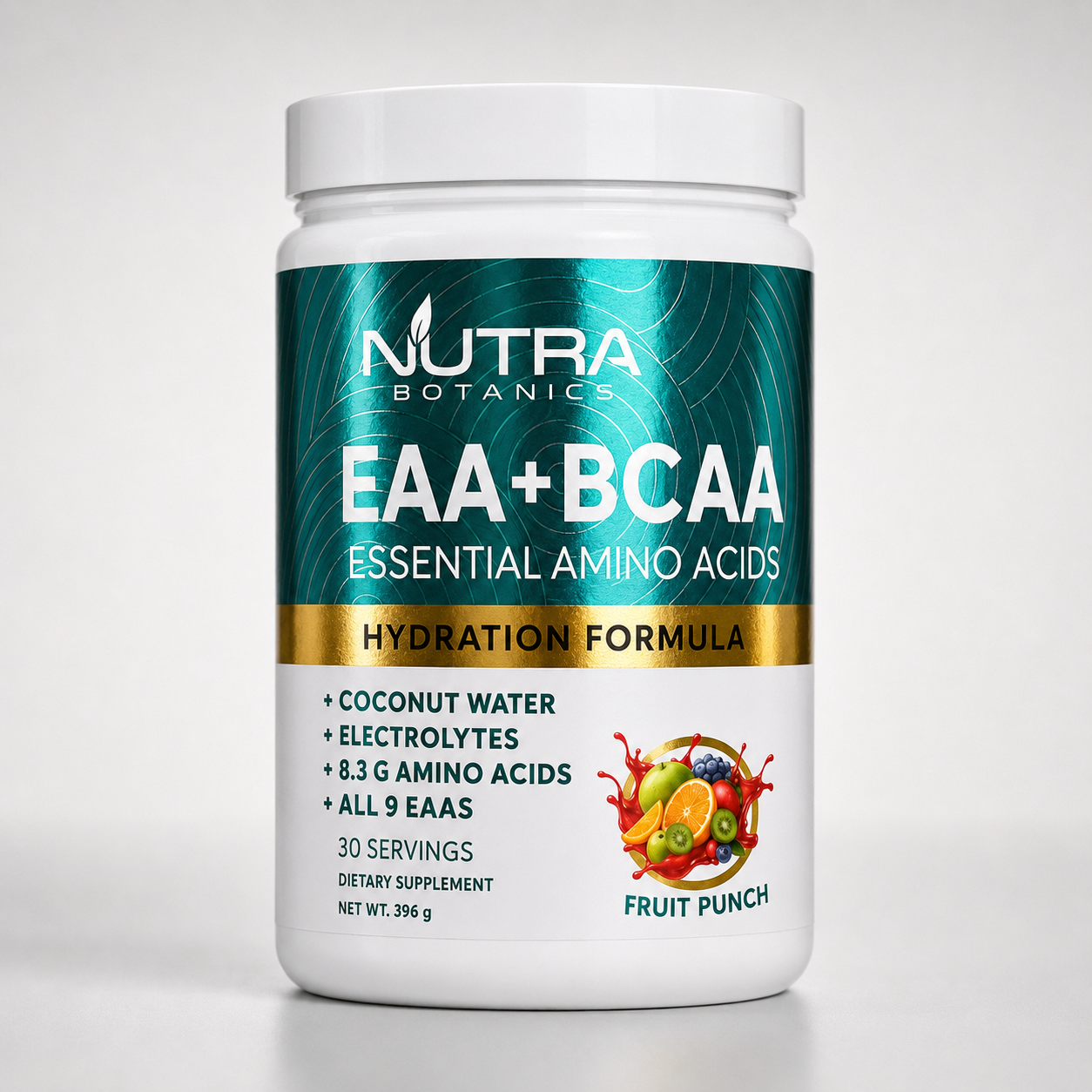
EAA Complex
All 9 essentials · 30 servings
- Complete essential amino acid profile (all 9 EAAs)
- Stronger MPS response vs. BCAAs alone in research
- Ideal for serious lifters, athletes, and fasted training
- GMP & NSF certified · PhD-supervised testing
$34.95Free shipping over $75
Shop EAA Complex