Key Takeaways
- Consistency outweighs timing — daily dosing is what drives muscle saturation
- Post-workout with a meal has a slight edge in some studies (due to insulin-driven uptake), but the effect is small
- Pre-workout and post-workout timings produce similar long-term results
- Rest-day dosing still matters — skipping days delays saturation
- Split dosing (2g twice daily) may reduce any initial GI discomfort while keeping daily total at 3–5g
What Research Says About Creatine Timing
The key study examining creatine timing head-to-head was published in the Journal of the International Society of Sports Nutrition in 2013. Researchers assigned recreational bodybuilders to either pre-workout or post-workout creatine supplementation over 4 weeks of training. Both groups gained lean mass and strength. The post-workout group showed slightly greater improvements, but the difference was small — not dramatic.
A follow-up meta-analysis in 2021 confirmed this pattern: post-workout creatine shows a modest edge, but the effect is small enough that researchers cautioned against over-interpreting it. The authors' bottom line: "Creatine timing is likely important, but not as important as ensuring consistent daily intake."
Pre-Workout: Pros and Cons
The logic for pre-workout creatine is intuitive: take it before training, have more creatine available during the workout, perform better. This sounds reasonable but doesn't quite match how creatine works.
Creatine doesn't provide an acute boost like caffeine. The performance benefits come from chronically elevated phosphocreatine stores, not from a single dose taken 30 minutes before training. A single 5g dose won't meaningfully increase creatine availability during that specific workout — your muscles are drawing on the reservoir built over weeks of daily dosing.
The practical advantage of pre-workout timing: it's easy to remember. Many people add creatine to their pre-workout shake, making it automatic. That consistency advantage may outweigh the theoretical marginal benefit of post-workout timing for people who would otherwise forget.
Post-Workout: The Slight Edge
The post-workout advantage likely comes down to two factors. First, post-exercise there's elevated insulin sensitivity in muscle tissue — the muscle creatine transporter (CrT) is more active, meaning creatine absorbed from the gut is more readily taken up by muscle cells. Second, consuming creatine alongside post-workout carbohydrates and protein creates an insulin spike that further drives creatine uptake.
If you're going to optimize timing at all, post-workout (within 30–60 minutes of finishing training) combined with your post-workout meal or shake is the evidence-based recommendation. But again — the optimization is small. Don't let the perfect be the enemy of the good.
| Timing | Mechanism Advantage | Practical Rating | Evidence Support |
|---|---|---|---|
| Pre-workout | Minimal acute effect | Easy to remember | Slightly inferior in RCTs |
| Post-workout | Enhanced CrT activity | Best if combined with meal | Slight edge in studies |
| Anytime (consistent) | Stores maintained regardless | Highest adherence | Equivalent long-term |
Rest Day Dosing
Creatine stores deplete slowly — roughly 2% per day through natural conversion to creatinine. Missing one day won't noticeably affect your stores. But consistent daily dosing on rest days is still important for maintaining full saturation over time.
On rest days, timing doesn't matter at all — there's no post-workout window to leverage. Morning with breakfast is the most common recommendation for rest day dosing, simply because it's easy to remember in a routine context. Some people take it with their morning coffee. Others take it with dinner. Any consistent approach works.
With Food vs. Fasted
Taking creatine with food — particularly with carbohydrates — meaningfully improves uptake. A landmark study found that taking creatine with 47g of simple carbohydrates increased muscle creatine accumulation by 60% compared to creatine alone. The mechanism is insulin: carbohydrates trigger insulin release, which stimulates the muscle creatine transporter (CrT) to pull creatine from the bloodstream into muscle cells.
You don't need a sugary drink specifically. Any mixed meal with carbohydrates will create enough of an insulin response to improve uptake. Taking creatine fasted (e.g., first thing in the morning before eating) is less efficient, though if that's the most consistent time for you, the adherence benefit outweighs the absorption disadvantage.
Making It a Daily Habit
The research consensus is clear: the single most important variable in creatine effectiveness is daily consistency. A study directly comparing "perfect-timing users" (post-workout with carbs) to "consistent-but-arbitrary-timing users" found that the consistent group largely caught up in creatine stores over 4–6 weeks because muscle saturation is the cumulative result of daily dosing, not any individual dose.
Practical Timing Protocol
Training days: Post-workout, with your post-workout meal or shake — best evidence-based option
Rest days: Morning with breakfast or any consistent daily anchor point
With food: Yes — especially carbohydrate-containing meals for best absorption
If you forget: Take it whenever you remember — do not double-dose the next day
Long-term: Same dose, same general routine = maximum results
For more background on creatine fundamentals, see our creatine for beginners guide. If you haven't decided on a loading protocol yet, our loading phase guide explains how timing interacts with saturation. Women may also want to check creatine for women for timing considerations specific to hormonal cycles.
Frequently Asked Questions
Will creatine make me stronger in that specific workout if I take it beforehand?
Can I take creatine at night before bed?
Should I take creatine on rest days?
Do I need to take creatine with carbs or dextrose?
Should I split my creatine dose throughout the day?
Does creatine timing matter differently for women?
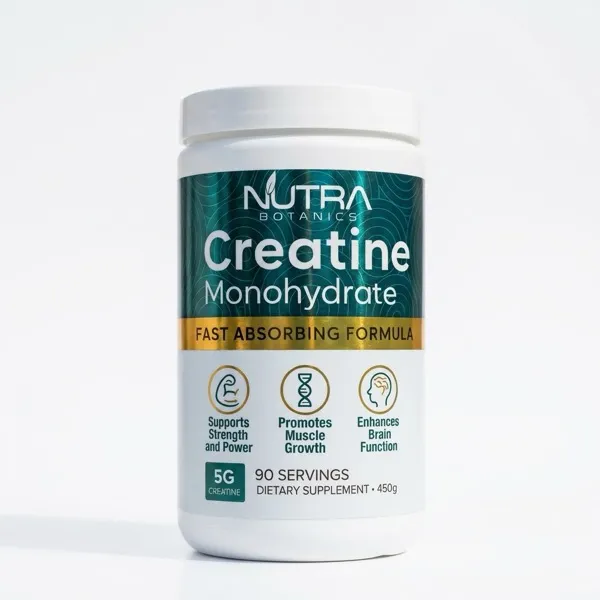
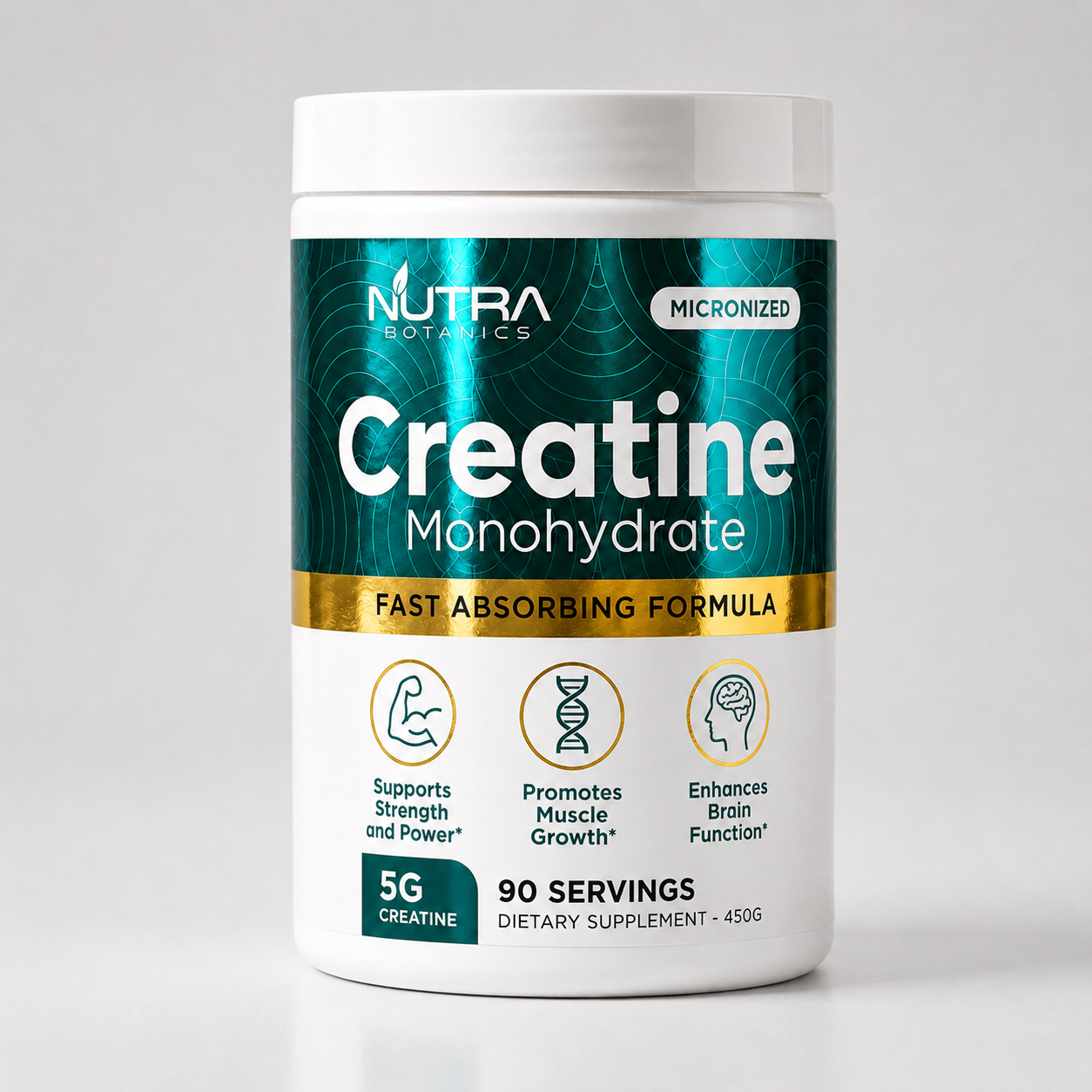
Creatine Monohydrate
Micronized · 60 servings
- 5g pure micronized monohydrate per serving
- Unflavored · mixes clean in any liquid
- GMP & NSF certified · PhD-supervised testing
- No fillers, stimulants, or artificial additives
$29.95Free shipping over $75
Shop Creatine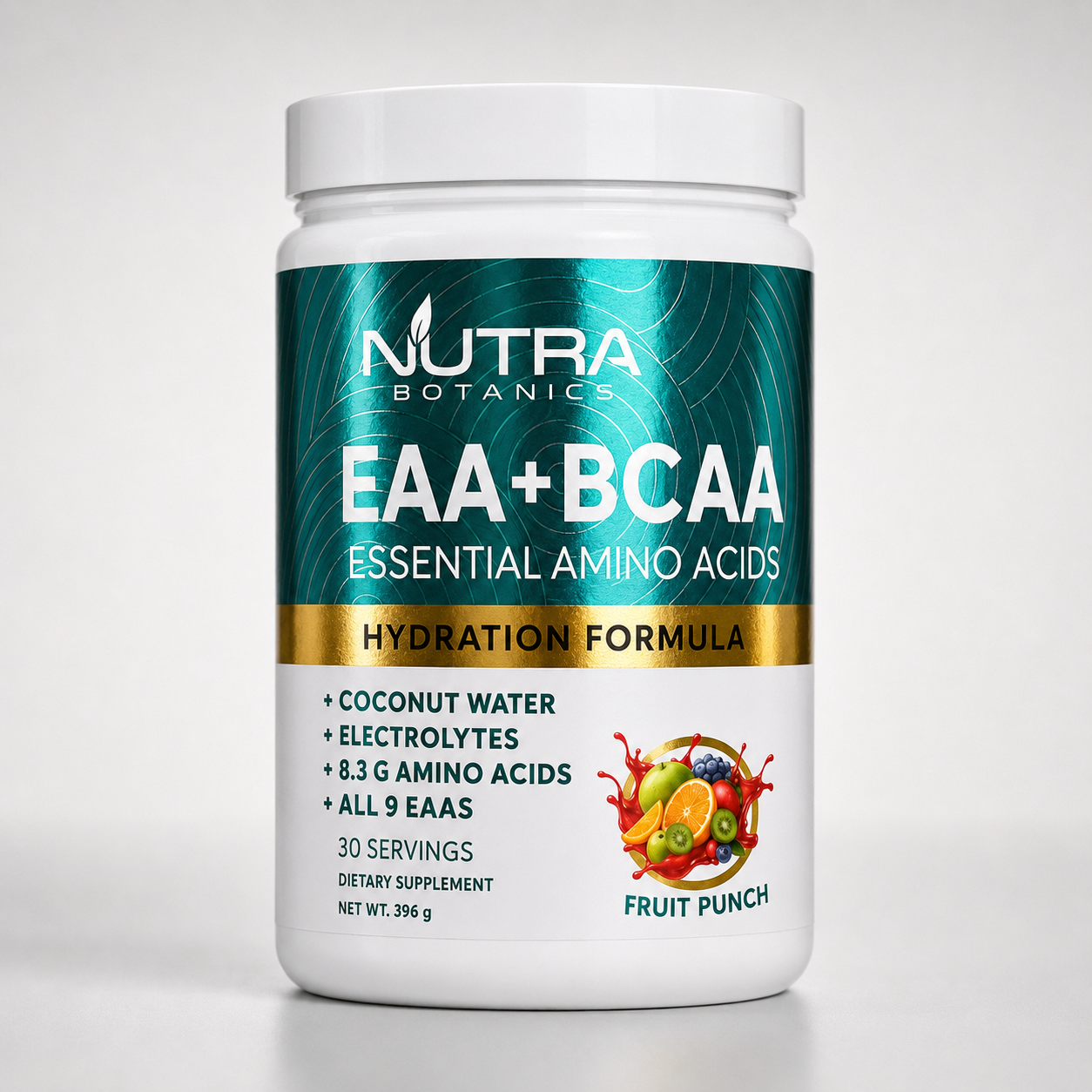
EAA Complex
Recovery · 30 servings
- All 9 essential amino acids for muscle repair
- Electrolytes for sustained hydration
- Zero sugar · light citrus flavor
- Pairs with creatine for optimal training support
$34.95Subscribe & save 20%
Shop EAA Complex