Key Takeaways
- Zinc deficiency suppresses testosterone production — correction raises T measurably in deficient individuals
- Athletes lose zinc through sweat and are disproportionately affected by deficiency
- 15–30mg daily is the clinically supported range; higher doses over time can disrupt copper balance
- Supplementing in deficient men raises testosterone; supplementing in already-replete men does not produce additional increases
- Zinc works best alongside magnesium and vitamin D — the three most common micronutrient gaps in low-T men
Related reading: How to Boost Testosterone Naturally, Testosterone After 40, 8 Signs of Low Testosterone, Natural Testosterone Boosters.
Zinc's Role in Testosterone Production
Zinc is required at multiple steps in the testosterone biosynthesis pathway. It's a cofactor for 17β-hydroxysteroid dehydrogenase — the enzyme that converts androstenedione to testosterone in the final step of T synthesis. It's also required for proper LH receptor function in Leydig cells, making the cells more responsive to the pituitary's testosterone-stimulating signal.
Beyond synthesis, zinc is a natural inhibitor of aromatase — the enzyme that converts testosterone to estrogen. This dual effect (supporting testosterone production while reducing its conversion to estrogen) makes zinc one of the most mechanistically complete natural testosterone support nutrients available. Low zinc tips both sides of this equation in the wrong direction simultaneously.
The Landmark Zinc-Testosterone Study
The clearest demonstration of zinc's impact on testosterone came from a 1996 study published in Nutrition (Prasad et al.) — now one of the most cited papers in male hormonal nutrition. The study examined two groups: young men with experimentally induced zinc depletion, and elderly men with marginally low zinc who were supplemented with zinc.
In the zinc-depleted young men, testosterone dropped from 39.9 nmol/L to 10.6 nmol/L over 20 weeks of zinc restriction — a 73% reduction. In the zinc-deficient elderly men, testosterone increased from 8.3 nmol/L to 16.0 nmol/L after 6 months of zinc supplementation (30mg/day) — a 93% increase. These are extraordinary effect sizes — far larger than any testosterone-boosting supplement study — demonstrating that for zinc-deficient men, correcting zinc status is the highest-leverage testosterone intervention possible.
Who Is at Risk for Zinc Deficiency?
Zinc deficiency is more common than most people realize. High-risk groups include athletes and physically active men (zinc is lost in sweat — distance runners and high-intensity athletes can lose 2–3mg of zinc per hour of exercise), men eating plant-heavy diets (phytates in grains and legumes bind zinc and reduce absorption by up to 50%), vegetarians and vegans (animal protein — especially red meat and shellfish — is the richest dietary source), men with high alcohol consumption (alcohol increases zinc excretion through the kidneys), and men over 60 (zinc absorption decreases and excretion increases with age).
Dietary reference intakes set the RDA for zinc at 11mg/day for adult men. But this represents the amount needed to prevent deficiency, not optimal intake — and absorption efficiency varies significantly based on diet composition. Men eating primarily plant-based diets may need to consume 50% more zinc to achieve the same absorbed amount.
Zinc and Exercise-Induced Testosterone Depression
Intense exercise temporarily suppresses testosterone — a well-documented phenomenon called exercise-induced hypogonadism in extreme cases. Zinc plays a significant role in mediating this effect. High-intensity training increases zinc losses through sweat and urine, and when zinc stores are depleted by sustained training without adequate repletion, the exercise-induced testosterone suppression becomes more severe.
A study in the Journal of Exercise Physiology found that wrestlers supplementing with zinc maintained higher testosterone levels during a 4-week intensive training camp compared to wrestlers on placebo — suggesting that zinc supplementation can buffer the testosterone-suppressing effect of heavy training in athletes. For men training intensely, zinc supplementation is not optional — it's a recovery and hormonal support essential.
Best Forms of Zinc and Optimal Dosing
Not all zinc supplements are equally absorbed. Zinc bisglycinate (chelated zinc bound to glycine) has the highest bioavailability in comparative studies, followed by zinc picolinate and zinc gluconate. Zinc oxide — the cheapest and most commonly used form in multivitamins — has the lowest bioavailability and should be avoided if zinc support is a priority.
For men with confirmed or suspected zinc deficiency: 15–30mg/day of elemental zinc from bisglycinate or picolinate is appropriate. This is above the RDA but within the safe upper limit (40mg/day elemental zinc for adults). Zinc should be taken with food to reduce the nausea that can occur with zinc on an empty stomach. Long-term zinc supplementation above 30mg/day can compete with copper absorption — supplementing 1–2mg of copper per 15mg of zinc prevents this interaction.
Testing Zinc Status
Assessing zinc status is not straightforward — serum zinc is the most commonly used measure but can be normal even in functional deficiency because the body maintains serum zinc at the expense of tissue stores. The most reliable single test is serum zinc taken in the fasted morning state. Plasma zinc is slightly more reliable than serum zinc. Zinc in red blood cells (erythrocyte zinc) reflects longer-term zinc status but is less commonly ordered.
Practically: if you're in a high-risk group (athlete, plant-based diet, older adult, regular alcohol use) and experiencing low T symptoms, empirical zinc supplementation (15–25mg/day) for 3–6 months is a reasonable low-cost, low-risk intervention even without definitive testing. If zinc status is genuinely normal, you'll see modest additional benefit; if you're functionally deficient, the testosterone-raising effect can be significant.
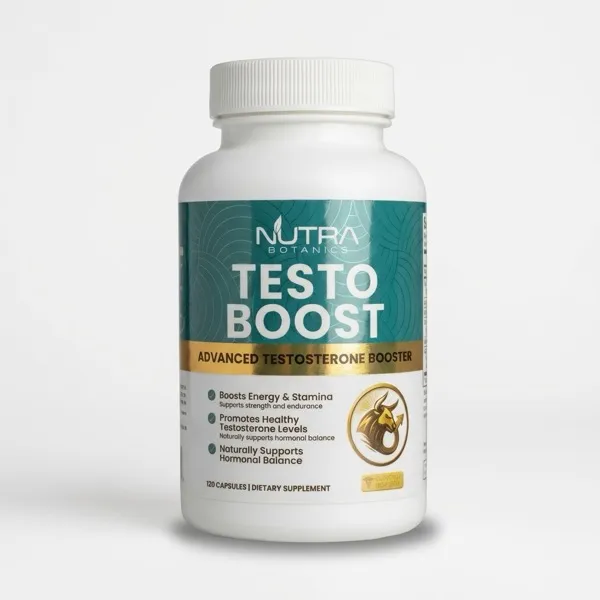
NutraBotanics Testo Boost
Bioavailable zinc combined with ashwagandha, D3, and testosterone-supporting nutrients for comprehensive men's vitality.
Shop Testo Boost →Frequently Asked Questions
Does zinc really increase testosterone?
How much zinc should I take for testosterone?
What is the best form of zinc for testosterone?
How long does zinc take to raise testosterone?
Can I get enough zinc from food?
Does zinc affect estrogen?
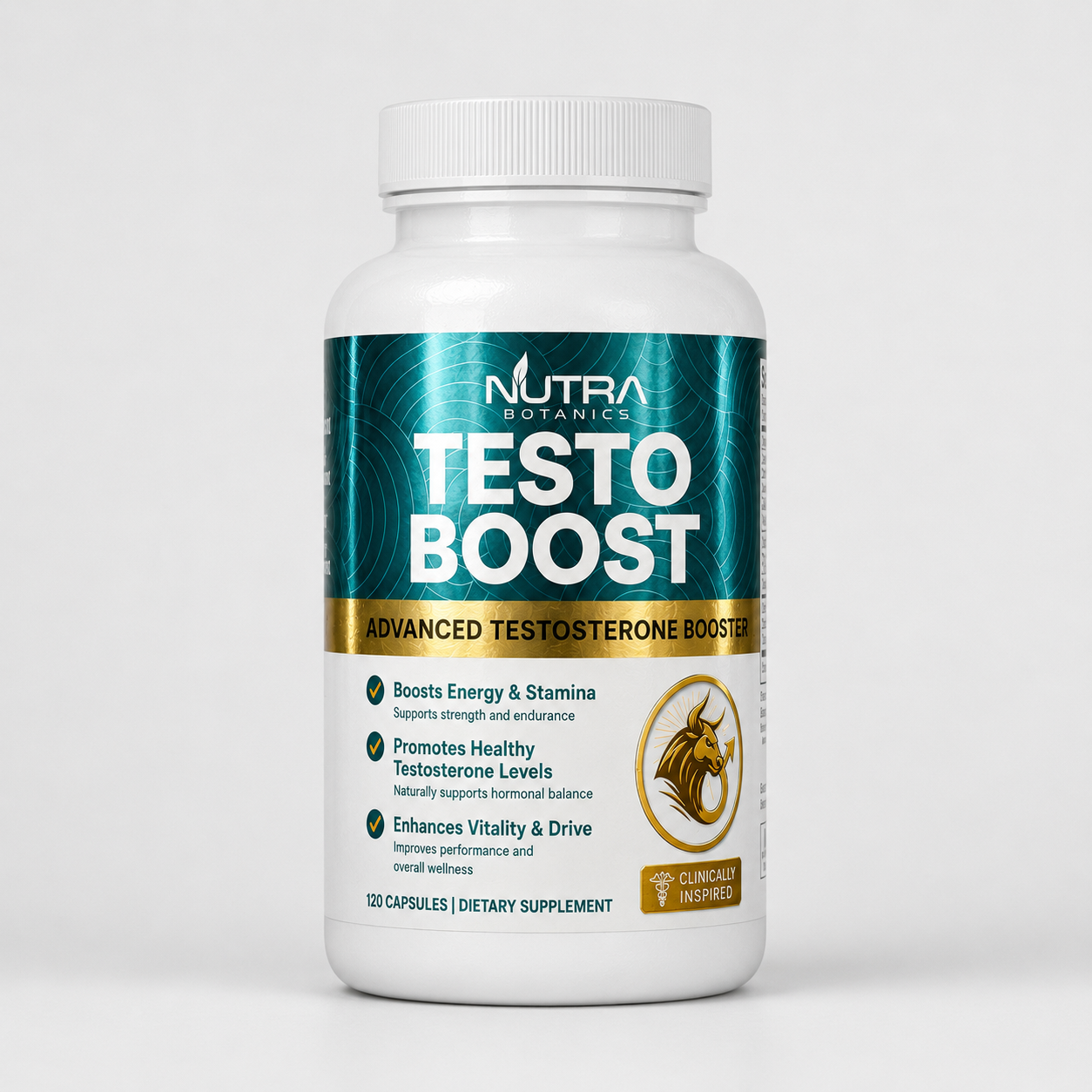
Testo Boost
Testosterone support · 30 servings
- A targeted formula men often stack alongside hormone-support habits — pairs with the lifestyle and nutrient foundations covered in this article.
$34.95Free shipping over $75
Shop Testo Boost
Explore the Full Catalog
Browse every Nutra Botanics formula
- Compare products, ingredients, and dosing across the full line
Shop the rangeSubscribe & save 20%
Shop All Products