
Key Takeaways
- Cortisol and testosterone share the same steroid precursor — chronically elevated cortisol suppresses testosterone at both the pituitary and the Leydig cell
- KSM-66 at 300–600mg/day has produced ~15% serum testosterone increases in resistance-trained men (Wankhede 2015, +15.3% vs. +2.7% placebo); the often-quoted 14.7% figure comes from a separate Shoden extract trial (Lopresti 2019), not KSM-66
- A 2015 infertility study showed a 22% testosterone increase and 34% LH increase in oligospermic men after daily use
- Clinical benefit typically emerges after 8 weeks of consistent daily dosing — not overnight
- KSM-66 is the most extensively studied extract for testosterone; Sensoril is formulated more toward stress and cortisol reduction
Related reading: How to Boost Testosterone Naturally, Testosterone After 40, 8 Signs of Low Testosterone, Natural Testosterone Boosters.
The Cortisol-Testosterone Connection
To understand why ashwagandha raises testosterone, you need to understand how cortisol suppresses it. Cortisol and testosterone are biosynthetically linked — both are produced from cholesterol via the steroid hormone pathway, and both compete for the same pregnenolone precursor. When cortisol demand is chronically high (due to psychological stress, poor sleep, overtraining, or inflammation), the body prioritizes cortisol production, reducing the precursor available for testosterone synthesis.
Cortisol also directly suppresses LH (luteinizing hormone) secretion from the pituitary — and since LH is the signal that drives Leydig cells to produce testosterone, elevated cortisol has a second direct pathway to reduced testosterone. Ashwagandha's cortisol-lowering effect (documented in multiple RCTs at 14–27% reduction) removes this suppression and allows the HPG axis to produce testosterone more freely.
Key Clinical Trials: The Evidence
The cleanest 600 mg KSM-66 dataset is Wankhede et al., 2015 in the Journal of the International Society of Sports Nutrition (PMID 26609282): 57 resistance-trained males with a mean age of 28 received 600 mg/day KSM-66 or placebo for 8 weeks alongside training. Total testosterone rose 15.3% in the ashwagandha group versus 2.7% in placebo (p<0.001), with greater muscle mass gains, strength improvements, and reduced exercise-induced muscle damage. A separate trial — Lopresti et al., 2019 in Am J Mens Health (PMID 30854916) — used Shoden, a different standardized root extract by Arjuna Natural (not KSM-66), as two 300 mg tablets delivering 21 mg/day of withanolide glycosides; in a 16-week crossover in overweight men aged 40–70 with mild fatigue, salivary testosterone rose 14.7% versus placebo. Together they bracket the realistic effect size at this dose range.
A 2015 RCT in the Indian Journal of Psychological Medicine found 300mg KSM-66 twice daily reduced cortisol by 27.9% and significantly improved stress, anxiety, and wellbeing scores over 60 days. A separate study on male fertility (Ambiye 2013) found ashwagandha increased testosterone by 22%, LH by 34%, and improved all semen quality parameters in oligospermic men.
The Infertility Evidence
Three clinical trials have specifically examined ashwagandha in the context of male fertility and reproductive hormone levels. Consistently across these trials, ashwagandha supplementation improved testosterone, LH, and FSH levels — all markers of HPG axis activity — and dramatically improved semen parameters including sperm count, motility, and morphology.
The mechanism: beyond cortisol reduction, ashwagandha's withanolide compounds appear to have direct antioxidant effects in testicular tissue, protecting the Leydig cells and seminiferous tubules from oxidative stress — a major driver of male infertility. The combination of hormonal optimization and direct testicular antioxidant protection makes ashwagandha particularly relevant for men with fertility concerns.
Strength and Muscle Mass: The Performance Evidence
Three RCTs have examined ashwagandha's effects on athletic performance and body composition. Beyond the 2019 trial above, a 2015 study in the Journal of the International Society of Sports Nutrition found that ashwagandha (300mg twice daily) combined with resistance training produced significantly greater increases in bench press and leg extension strength, and significantly greater reductions in exercise-induced muscle damage compared to placebo over 8 weeks.
Muscle mass gains were also significantly greater in the ashwagandha group — 5.3 kg of muscle mass added versus 2.5 kg in placebo. This is a meaningful performance advantage over an 8-week training period and is likely driven by both the testosterone-supporting effect and the direct reduction in muscle damage and cortisol-mediated catabolism.
Muscle mass gains were also significantly greater in the ashwagandha group — 5.3 kg of muscle mass added versus 2.5 kg in placebo.
KSM-66 vs. Sensoril: Which Form?
KSM-66 and Sensoril are the two primary standardized ashwagandha extracts used in clinical research. KSM-66 is a root-only extract standardized to 5% withanolides — most testosterone and performance trials use this form. Sensoril is a root-and-leaf extract standardized to 10% withanolides and appears to have more potent stress and anxiety effects per mg.
For testosterone support specifically, KSM-66 has the most direct trial evidence. Standard KSM-66 dosing in testosterone trials is 300–600mg/day. Sensoril is typically used at 125–250mg/day due to its higher withanolide concentration. Non-standardized ashwagandha powders are less reliable — the active compound content varies significantly, making clinical results less predictable.
Who Benefits Most from Ashwagandha for Testosterone
Ashwagandha's testosterone benefit is most pronounced in men with elevated cortisol, significant psychological or physical stress, suboptimal testosterone levels, or reduced fertility. Men who are stressed, sleep-deprived, or in demanding training programs see the largest benefits — because these are the conditions where cortisol suppression of testosterone is most active.
Healthy young men with normal testosterone levels and low stress show smaller testosterone increases — there's less cortisol-driven suppression to remove. This doesn't mean ashwagandha has no value in this population (the strength and recovery benefits are consistently demonstrated regardless of baseline testosterone) — but the testosterone-specific effect size correlates with the degree of HPA axis dysregulation at baseline.
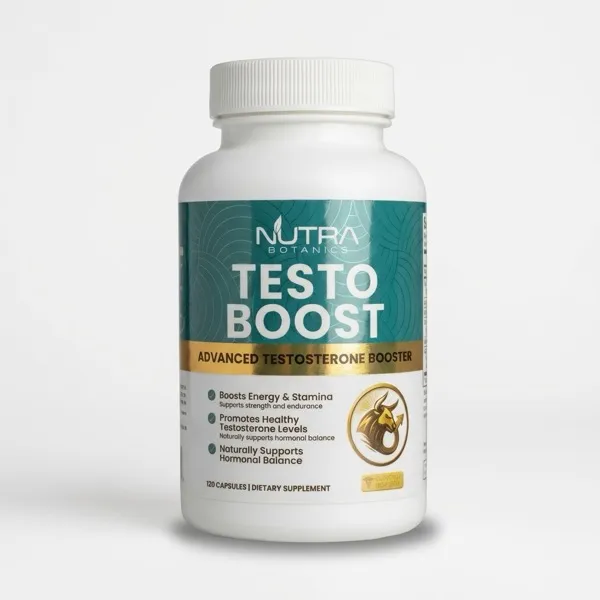
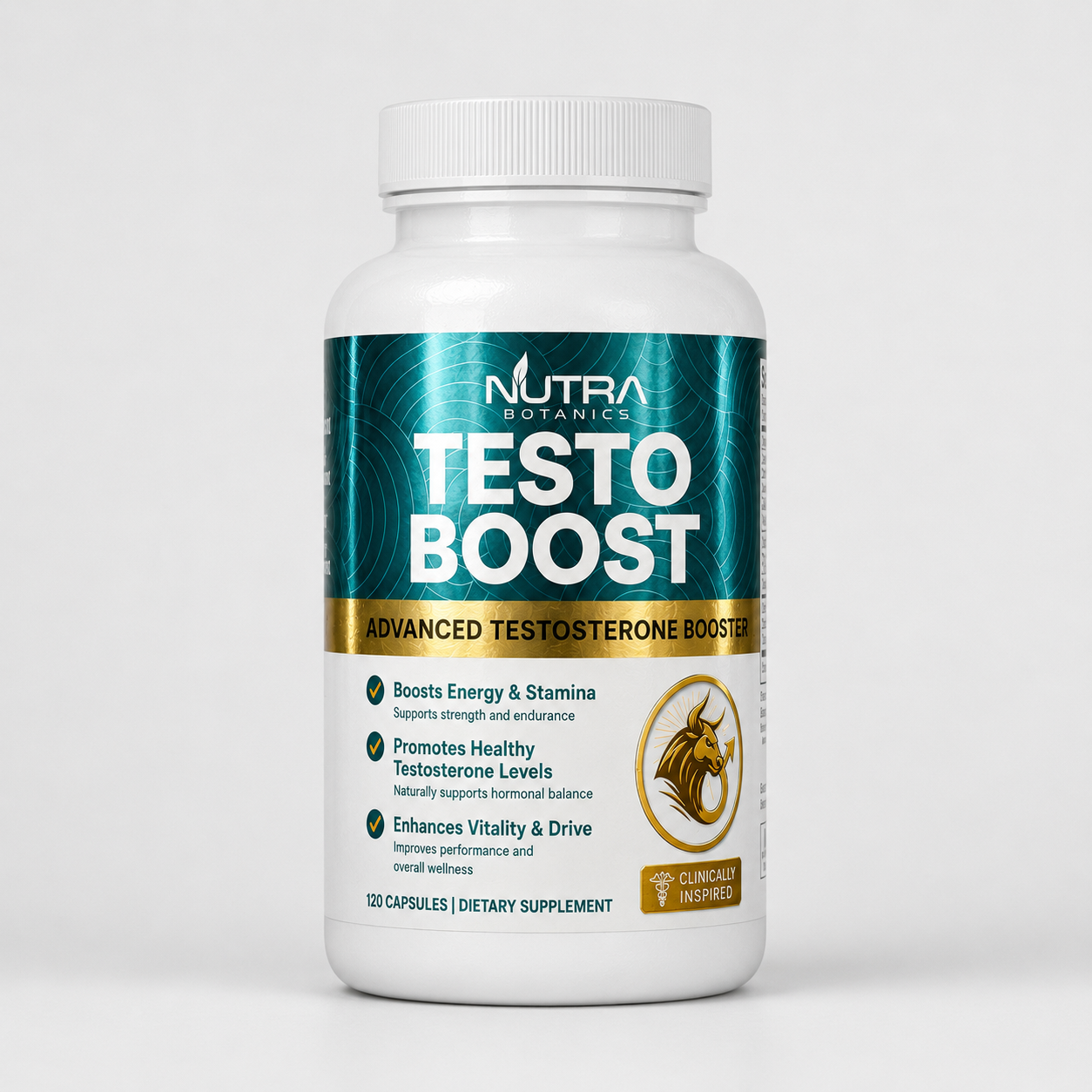
NutraBotanics Testo Boost
KSM-66 ashwagandha — the most clinically studied form — combined with zinc, D3, and supporting testosterone nutrients.
Shop Testo Boost →Frequently Asked Questions
Does ashwagandha really increase testosterone?
How long does ashwagandha take to raise testosterone?
What is the best ashwagandha for testosterone?
Can I take ashwagandha every day?
Does ashwagandha work better with other supplements?
Is ashwagandha safe for long-term use?
Testo Boost
Testosterone support · 30 servings
- A targeted formula men often stack alongside hormone-support habits — pairs with the lifestyle and nutrient foundations covered in this article.
$34.95Free shipping over $75
Shop Testo Boost
Explore the Full Catalog
Browse every Nutra Botanics formula
- Compare products, ingredients, and dosing across the full line
Shop the rangeSubscribe & save 20%
Shop All Products