
Related reading: Does Collagen Actually Work? (Research Review), 12 Foods That Boost Collagen Production, How Much Collagen Per Day, Best Time to Take Collagen.
Your Gut Lining: A Fragile Fortress
Your intestinal lining is a remarkable structure. Stretched flat, it would cover roughly 400 square meters, about the size of a studio apartment. Yet this vast surface area is only a single cell layer thick. These epithelial cells are held together by tight junction proteins that form a selective barrier, allowing nutrients to pass into your bloodstream while blocking harmful bacteria, undigested food particles, and toxins.
This lining replaces itself entirely every three to five days, making it one of the fastest-regenerating tissues in your body. That constant renewal requires an enormous supply of specific amino acids, many of which are found in unusually high concentrations in collagen. When the supply of these amino acids falls short, the gut lining becomes compromised, setting the stage for inflammation, food sensitivities, and a host of downstream health issues.
Key Amino Acids in Collagen for Gut Repair
Collagen has a unique amino acid profile that makes it particularly well-suited for gut repair. Unlike other protein sources, collagen is extraordinarily rich in glycine, proline, and glutamine, three amino acids that play direct roles in maintaining intestinal barrier function.
Glycine is the most abundant amino acid in collagen, making up roughly one-third of its composition. It has potent anti-inflammatory properties and helps regulate the production of stomach acid. Glycine also supports the synthesis of glutathione, your body's master antioxidant, which protects gut cells from oxidative damage.
Proline and hydroxyproline are essential for tissue repair and new cell growth. They help maintain the structural framework of the intestinal wall and support the production of mucus, which forms a protective layer over the gut epithelium.
Glutamine is widely recognized as the primary fuel source for intestinal epithelial cells. While collagen is not the richest source of glutamine, the amount it provides, combined with glycine and proline, creates a synergistic effect that amplifies gut repair.
How Collagen Heals the Gut Lining
The process by which collagen supports gut health is elegant and multi-layered. Here is what happens when you take collagen consistently.
"Collagen peptide supplementation significantly improved intestinal barrier function and reduced markers of intestinal permeability in subjects with clinical signs of gut barrier dysfunction. These findings support the therapeutic potential of collagen peptides for conditions associated with increased intestinal permeability."
Journal of Functional Foods, 2024Collagen and Leaky Gut Syndrome
Leaky gut, clinically known as increased intestinal permeability, occurs when the tight junctions between gut epithelial cells loosen, allowing partially digested food proteins, bacterial endotoxins, and other molecules to cross into the bloodstream. This triggers an immune response that can manifest as chronic inflammation, food sensitivities, skin conditions, fatigue, brain fog, and autoimmune reactivity.
Collagen peptides address leaky gut through multiple mechanisms. The glycine in collagen helps repair damaged tight junction proteins. Proline supports the rebuilding of the collagen matrix within the intestinal wall itself. And the anti-inflammatory properties of collagen peptides help calm the immune activation that perpetuates the cycle of gut damage and inflammation.
A 2023 study found that participants taking 20 grams of collagen peptides daily for eight weeks showed a significant reduction in zonulin levels, a biomarker for intestinal permeability. They also reported improvements in bloating, abdominal discomfort, and overall digestive symptoms.
The Gut-Skin Axis

Your gut and skin are more connected than you might think. Research has revealed a bidirectional communication pathway known as the gut-skin axis. When the gut lining is compromised, inflammatory molecules enter the bloodstream and can trigger skin conditions including acne, eczema, rosacea, and premature aging.
This explains why many people who start taking collagen for digestive issues are pleasantly surprised to see their skin improve as well. By supporting the gut barrier, collagen may help support a healthy systemic environment that benefits skin wellness.* Conversely, the collagen peptides that support skin elasticity also strengthen the gut lining, creating a dual benefit from a single supplement.
Studies show that individuals with inflammatory skin conditions frequently have elevated markers of intestinal permeability, reinforcing the idea that gut health is foundational to skin health.
Signs Your Gut Needs Collagen Support
If you experience several of the following symptoms regularly, your gut lining may be compromised and could benefit from collagen supplementation:
Persistent Bloating: Feeling distended after meals, even when eating moderate portions, often signals impaired digestion and gut inflammation.
Food Sensitivities: Developing reactions to foods you previously tolerated well is a hallmark sign of increased intestinal permeability allowing food proteins into the bloodstream.
Skin Issues: Unexplained breakouts, eczema flares, or persistent redness may reflect gut-driven systemic inflammation via the gut-skin axis.
Skin Issues: Unexplained breakouts, eczema flares, or persistent redness may reflect gut-driven systemic inflammation via the gut-skin axis.
Chronic Fatigue: When the gut barrier is leaky, your immune system works overtime to deal with infiltrating molecules, draining your energy and leaving you feeling exhausted.
Brain Fog: Difficulty concentrating, poor memory, and mental haziness are increasingly linked to gut-derived inflammation affecting the brain via the gut-brain axis.
Collagen vs Probiotics vs L-Glutamine
Several supplements claim to support gut health, and each works through different mechanisms. Understanding how collagen compares to other popular gut supplements can help you build a comprehensive digestive wellness strategy.
| Factor | Collagen Peptides | Probiotics | L-Glutamine |
|---|---|---|---|
| Primary Mechanism | Provides amino acids for gut lining repair and tight junction support | Repopulates beneficial bacteria and modulates immune function | Fuels intestinal epithelial cell energy metabolism |
| Timeline to Results | 4-8 weeks for noticeable improvement | 2-4 weeks for some strains | 2-4 weeks at therapeutic doses |
| Best For | Structural gut repair, leaky gut, multi-system benefits | Microbiome balance, IBS symptoms, immunity | Targeted intestinal cell fuel, post-illness recovery |
| Complementary? | Yes, works synergistically with both | Yes, different mechanism | Yes, enhanced by collagen's glycine |
| Additional Benefits | Skin, joints, hair, nails | Mental health, allergy reduction | Muscle recovery, immune support |
The best approach for most people is to combine collagen with a high-quality probiotic. Collagen repairs the physical structure of the gut barrier, while probiotics optimize the microbial environment within the gut. L-glutamine can be added for additional support during periods of heightened gut stress, such as after antibiotic use or during high-intensity training.
Getting Started with Collagen for Gut Health
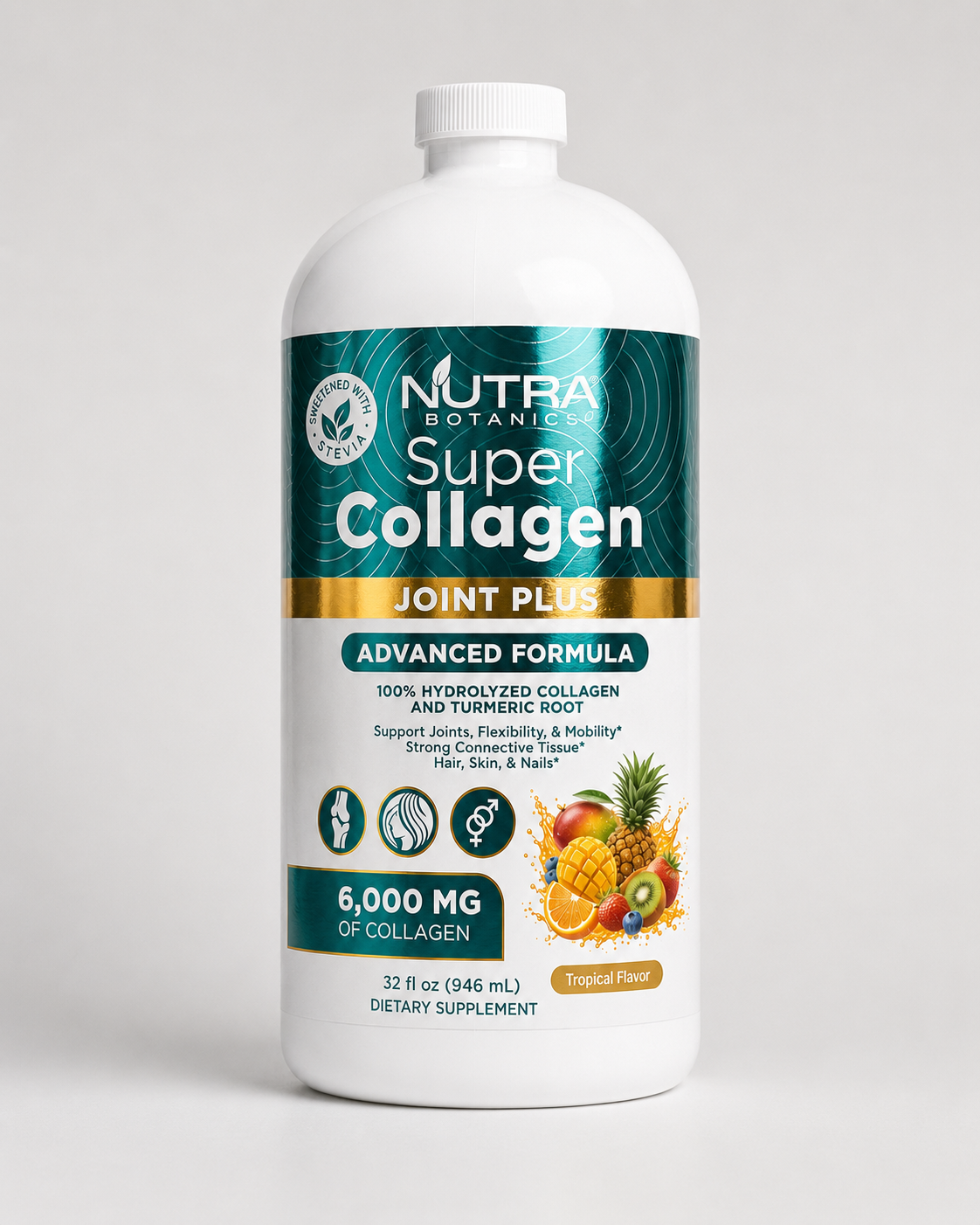
For gut health specifically, liquid collagen has several advantages over powders and capsules. Liquid formulas are pre-dissolved, which means they require less digestive effort and deliver collagen peptides to the intestinal lining more quickly. This is particularly important for people whose digestive function is already compromised.
Start with 10-20 grams of hydrolyzed collagen daily. Take it on an empty stomach in the morning or between meals to maximize absorption. Pair it with a vitamin C source, which is essential for your body's own collagen synthesis. Bone broth is another excellent complementary addition, as it provides gelatin along with minerals and other gut-supportive compounds.
Most people notice initial improvements in bloating and digestive comfort within two to four weeks. More significant changes in food sensitivities, skin clarity, and energy levels typically become apparent at the six to eight week mark. As with all supplements, consistency is more important than timing.
*These statements have not been evaluated by the Food and Drug Administration. This product is not intended to diagnose, treat, cure, or prevent any disease. Individual results may vary.
Collagen is far more than a beauty supplement. Its unique amino acid profile, rich in glycine, proline, and glutamine, makes it one of the most effective natural tools for repairing and maintaining gut lining integrity. By strengthening tight junctions, reducing intestinal inflammation, and fueling epithelial cell renewal, collagen supplementation can help address leaky gut, reduce food sensitivities, and improve digestive comfort. For the most comprehensive approach, combine collagen with probiotics and an anti-inflammatory diet.
How much collagen do I need for gut health benefits?
Research on collagen for gut health is still emerging. Most practitioners using collagen in gut healing protocols recommend 10–20g of hydrolyzed collagen peptides per day. Glycine — one of the primary amino acids in collagen — has been studied at 3–5g per day for gut-specific benefits. A collagen supplement providing 10–15g per day naturally delivers a meaningful glycine dose.*
Is bone broth or collagen supplements better for gut health?
Both provide similar amino acids including glycine, proline, and hydroxyproline. Bone broth provides additional minerals and gelatin that may have gut-soothing properties. Hydrolyzed collagen supplements offer a more precise, concentrated dose and are more convenient for consistent daily use. For gut health purposes, either can be effective — consistency matters most.*
Can collagen help with IBS or digestive issues?
There is limited but emerging research suggesting collagen may support gut lining integrity in conditions involving intestinal inflammation or permeability. This is an active area of research and collagen should not replace conventional medical treatment for diagnosed conditions like Crohn's disease, ulcerative colitis, or IBS. Always discuss supplement use with your doctor.*
How long does collagen take to improve gut health?
There is limited clinical timeline data specifically for collagen and gut health. Based on the mechanisms involved — supporting gut mucosal lining and tight junction integrity — practitioners typically suggest a minimum 4–8 week trial to assess impact. Gut health improvements are gradual and work best when collagen is combined with a supportive whole-food diet.*
Does collagen help with bloating?
Some people report reduced bloating with consistent collagen use, potentially related to improved gut lining integrity and reduced low-grade intestinal inflammation. However, this is anecdotal and not well-studied in clinical trials specifically for bloating. Starting collagen at a low dose (5g per day) and increasing gradually is recommended to avoid any initial GI adjustment.*
Heal Your Gut from the Inside Out
Explore our premium collagen and digestive health supplements, designed to restore gut integrity and support whole-body wellness.
Shop Digestive HealthHeal Your Gut from the Inside Out
Explore our premium collagen and digestive health supplements, designed to restore gut integrity and support whole-body wellness.
Shop Digestive HealthFrequently Asked Questions
How does collagen support gut health?
How much collagen do I need for gut health benefits?
Is bone broth or collagen supplements better for gut health?
Can collagen help with IBS or digestive issues?
How long does collagen take to improve gut health?
Does collagen help with bloating?
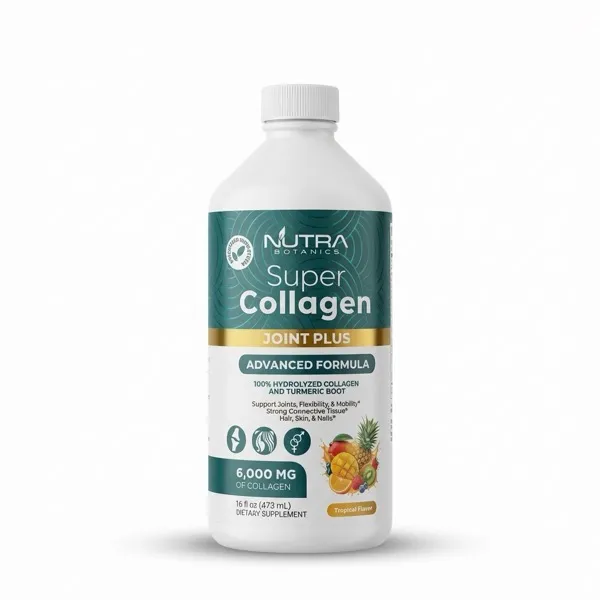
Super Collagen Liquid
Hydrolyzed Peptides · 30 servings
- 6,000mg hydrolyzed collagen peptides per serving
- Liquid format for maximum bioavailability
- Supports hair, nails, skin, and joints
- GMP & NSF certified · PhD-supervised testing
$39.95Free shipping over $75
Shop Super Collagen
Explore All Collagen Products
Browse the Nutra Botanics collagen range
- Multiple formats: liquid peptides, powders, capsules
- Compare serving sizes, sources, and stack partners
- Find the right format for your routine
- GMP & NSF certified · PhD-supervised testing
Shop the rangeSubscribe & save 20%
Browse Collagen