

Related reading: Does Collagen Actually Work? (Research Review), 12 Foods That Boost Collagen Production, How Much Collagen Per Day, Best Time to Take Collagen.
Understanding Arthritis and Collagen Loss
Arthritis is not a single disease but rather an umbrella term for more than 100 conditions that cause joint inflammation, pain, and stiffness. The most common forms are osteoarthritis (OA), which results from mechanical wear and tear on cartilage, and rheumatoid arthritis (RA), an autoimmune condition where the immune system mistakenly attacks joint tissues.
At the core of both conditions is a breakdown of collagen, the primary structural protein in cartilage, tendons, and connective tissue. Healthy cartilage is composed of approximately 60 percent type II collagen, which provides the framework that gives cartilage its strength and resilience. As we age, our natural collagen production declines by roughly 1 to 1.5 percent per year after age 30, accelerating the deterioration of cartilage and increasing the risk of arthritis symptoms.
This is where collagen supplementation enters the picture. By providing the body with the specific amino acids and peptides needed to support cartilage maintenance and repair, collagen supplements may help slow the progression of joint degradation and alleviate symptoms. Research over the past two decades has produced increasingly compelling evidence for this approach.
The Science Behind Collagen for Arthritis
Collagen supplements work through two primary mechanisms depending on the type used. Hydrolyzed collagen, also known as collagen peptides, is broken down into small bioactive peptides that are absorbed through the intestinal wall and travel to joint tissues. Once there, these peptides stimulate chondrocytes, the cells responsible for producing new cartilage, to increase their synthesis of collagen, proteoglycans, and hyaluronic acid. This process helps rebuild and maintain the cartilage matrix.
Undenatured type II collagen (UC-II) works through a completely different mechanism called oral tolerance. When taken in small doses, UC-II interacts with immune cells in the gut-associated lymphoid tissue, essentially training the immune system to stop attacking the body's own cartilage. This immunomodulatory effect makes UC-II particularly promising for rheumatoid arthritis, where the immune system is the primary driver of joint destruction.
"Supplementation with undenatured type II collagen resulted in significant improvements in all assessments compared with the placebo group, including a 33 percent reduction in tender joint count and a 40 percent reduction in the total Western Ontario and McMaster Universities Arthritis Index score."
International Journal of Medical Sciences, Randomized Controlled Trial on UC-II for Knee Osteoarthritis, 2016Osteoarthritis vs Rheumatoid Arthritis
Understanding the differences between these two major forms of arthritis is critical for choosing the right collagen supplement and setting realistic expectations for results.
| Factor | Osteoarthritis (OA) | Rheumatoid Arthritis (RA) |
|---|---|---|
| Cause | Mechanical wear and tear on cartilage over time | Autoimmune attack on joint synovial lining |
| Affected Joints | Weight-bearing joints: knees, hips, spine, hands | Small joints first: fingers, wrists, toes; often symmetrical |
| Collagen Type Recommended | Hydrolyzed collagen peptides (Type I & II) or UC-II | Undenatured Type II collagen (UC-II) preferred |
| Mechanism of Action | May support cartilage maintenance and joint comfort* | Modulates immune response via oral tolerance |
Clinical Evidence and Results
Multiple randomized, double-blind, placebo-controlled trials have demonstrated that collagen supplementation can produce meaningful improvements in arthritis symptoms. A landmark 24-week study published in the International Journal of Medical Sciences found that patients taking 40 mg of UC-II daily experienced significant reductions in pain, stiffness, and physical limitation compared to placebo. These results were sustained and, in many cases, continued to improve throughout the study period.
Additional research has shown that hydrolyzed collagen peptides at doses of 8 to 12 grams per day can reduce joint pain in both athletes and older adults with osteoarthritis. A 2019 meta-analysis pooling data from multiple trials confirmed that collagen supplementation produces statistically significant improvements across several key outcome measures.
Choosing the Right Collagen Type
Not all collagen supplements are created equal, and choosing the right form matters significantly when targeting arthritis. For osteoarthritis, both hydrolyzed collagen peptides and undenatured type II collagen have demonstrated efficacy, though they work through different mechanisms and require different dosages. Hydrolyzed collagen provides the raw building blocks that support cartilage maintenance, while UC-II works by modulating the immune response at much lower doses.
For rheumatoid arthritis, undenatured type II collagen is generally preferred because of its unique ability to promote oral tolerance and reduce the autoimmune attack on joint tissues. This is a critical distinction that many supplement guides overlook. The dose for UC-II is typically 40 mg per day, taken on an empty stomach, which is substantially different from the 5 to 15 gram doses used for hydrolyzed collagen peptides.
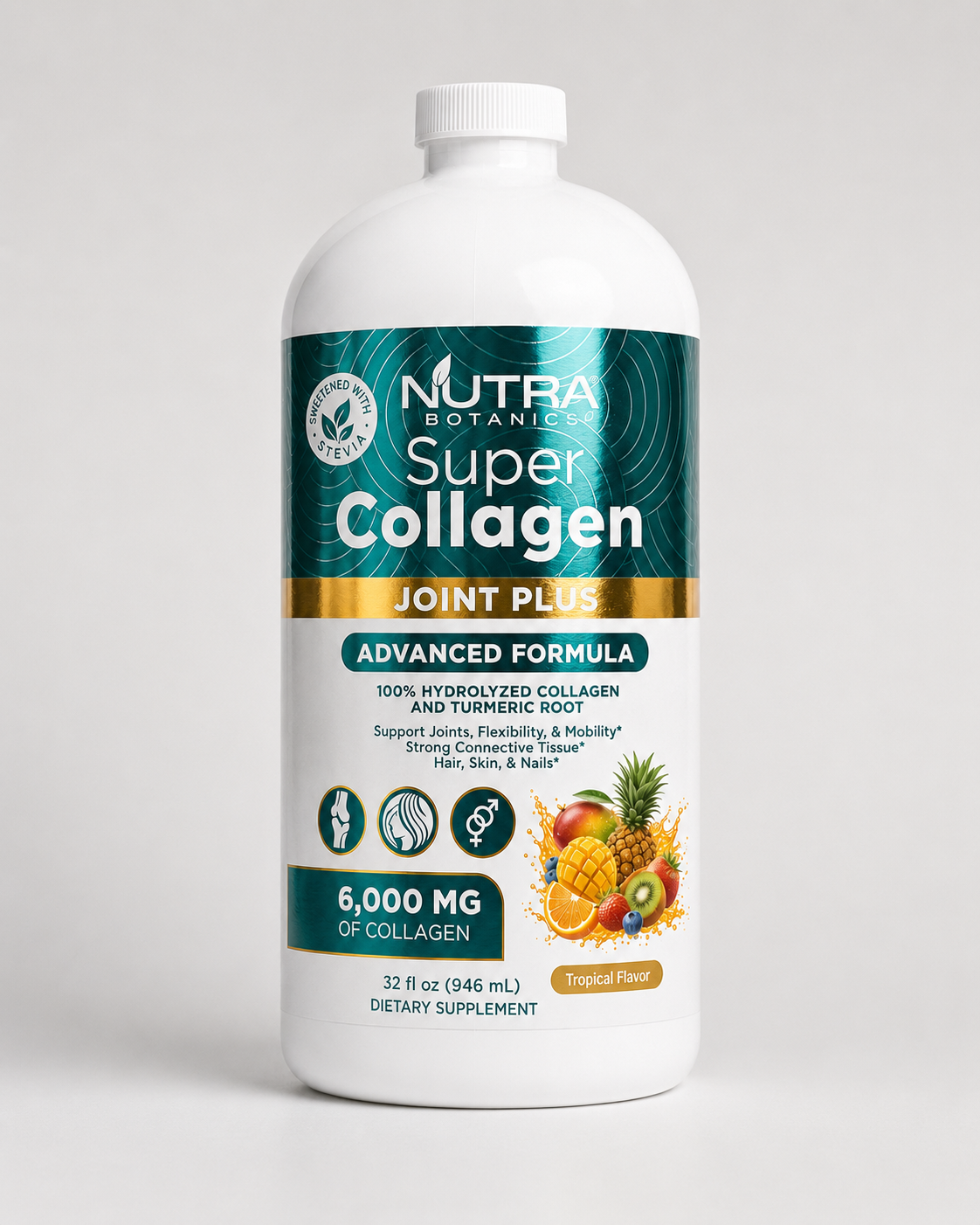
Quality matters enormously. Look for supplements manufactured in GMP-certified facilities that undergo third-party testing for purity and potency. Nutra Botanics' Super Collagen Joint Plus combines hydrolyzed collagen peptides with targeted joint-support nutrients — formulated for those who prioritize joint health and mobility as part of their daily wellness routine.*
*These statements have not been evaluated by the Food and Drug Administration. This product is not intended to diagnose, treat, cure, or prevent any disease. Individual results may vary.
How to Start Collagen for Arthritis
Starting a collagen regimen for arthritis requires patience and consistency. Unlike pain medications that provide immediate relief, collagen supplements work by gradually supporting the body's own cartilage maintenance processes. Here is a practical timeline for what to expect.
When to See a Doctor
While collagen supplements are generally safe and well-tolerated, they are not a replacement for professional medical care. See your doctor promptly if you experience any of the following:
- Sudden, severe joint swelling that develops over hours rather than gradually
- Joint redness and warmth accompanied by fever, which may indicate infection
- Joint pain following an injury such as a fall, twist, or impact
- Inability to bear weight on a previously functional joint
- Joint deformity or visible changes in joint shape
- Symptoms that worsen despite treatment or spread to new joints rapidly
Always consult your healthcare provider before starting any supplement regimen, especially if you are taking immunosuppressant medications, blood thinners, or other prescription drugs for arthritis management.
Key Takeaways
- Collagen supplements, particularly undenatured type II collagen (UC-II), have been studied for their role in supporting joint wellness and connective tissue health.*
- Different collagen types work differently: UC-II supports healthy immune modulation; hydrolyzed peptides support connective tissue and cartilage maintenance.*
- Consistent supplementation over 8 to 12 weeks is generally recommended to support joint wellness; individual experiences vary.*
- Collagen supplements work best as part of a comprehensive approach that includes appropriate exercise, weight management, and medical supervision.
- Always choose third-party tested, GMP-certified collagen products and consult your physician before beginning supplementation.
Support Your Joints with Premium Collagen
Discover our premium collagen supplements, formulated with research-informed ingredients and designed to support joint health and connective tissue wellness.*
Shop Joint SupportHow long does collagen take to help with arthritis symptoms?
Clinical trials for arthritic joint conditions typically run 12–24 weeks. Most participants noticed gradual improvements in joint comfort and morning stiffness between 8–16 weeks. Joint cartilage has a slow turnover rate, so meaningful structural support takes sustained daily supplementation over several months. Do not assess results before the 12-week mark.*
Is collagen safe to take alongside arthritis medications?
Collagen is a food-derived protein with no documented interactions with common arthritis medications including NSAIDs, methotrexate, or biologics. Always inform your rheumatologist or healthcare provider about all supplements you take, as they can advise based on your specific medication regimen and health status.*
Can collagen help both rheumatoid arthritis and osteoarthritis?
The evidence base differs between the two. For osteoarthritis (cartilage degradation), hydrolyzed collagen peptides have strong clinical support. For rheumatoid arthritis (an autoimmune condition), undenatured Type II collagen has been studied for its potential effects on joint inflammation. Both should be used under medical supervision for RA.*
Should someone with arthritis take collagen with glucosamine?
Combining collagen with glucosamine and chondroitin targets complementary mechanisms. Collagen supports the protein matrix of cartilage while glucosamine and chondroitin support the glycosaminoglycan component. Research suggests the combination may be more effective than either alone for comprehensive joint support.*
How much collagen per day for arthritis?
Studies on collagen for osteoarthritis used doses of 10–15g of hydrolyzed collagen peptides per day. For undenatured Type II collagen (UC-II), effective doses are much lower at 40mg per day. The two types should not be compared by dose — they work through entirely different mechanisms. Check which type your supplement contains and dose accordingly.*
Support Your Joints with Premium Collagen
Discover our premium collagen supplements, formulated with research-informed ingredients and designed to support joint health and connective tissue wellness.*
Shop Joint SupportFrequently Asked Questions
What type of collagen is best for arthritis?
How long does collagen take to help with arthritis symptoms?
Is collagen safe to take alongside arthritis medications?
Can collagen help both rheumatoid arthritis and osteoarthritis?
Should someone with arthritis take collagen with glucosamine?
How much collagen per day for arthritis?
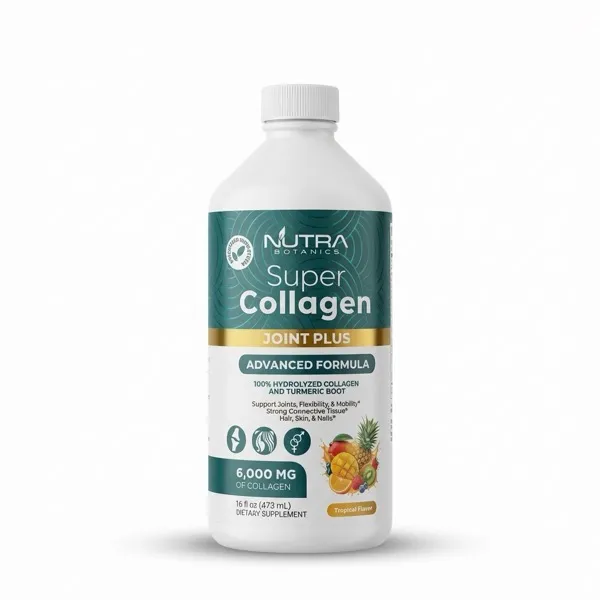
Super Collagen Liquid
Hydrolyzed Peptides · 30 servings
- 6,000mg hydrolyzed collagen peptides per serving
- Liquid format for maximum bioavailability
- Supports hair, nails, skin, and joints
- GMP & NSF certified · PhD-supervised testing
$39.95Free shipping over $75
Shop Super Collagen
Explore All Collagen Products
Browse the Nutra Botanics collagen range
- Multiple formats: liquid peptides, powders, capsules
- Compare serving sizes, sources, and stack partners
- Find the right format for your routine
- GMP & NSF certified · PhD-supervised testing
Shop the rangeSubscribe & save 20%
Browse Collagen