
Key Takeaways
- Strongest evidence: correcting deficiencies in zinc, vitamin D, magnesium, and DHEA when low
- Ashwagandha (KSM-66) at 300–600mg/day has produced 14–17% average increases in multiple RCTs
- Tongkat ali and fenugreek have moderate evidence for men with borderline-low T
- Sleep, training, and body-composition management outperform any supplement when deficits are present
- Boutique proprietary blends are rarely dosed at research-backed levels — check label transparency
Related reading: How to Boost Testosterone Naturally, Testosterone After 40, 8 Signs of Low Testosterone, Zinc and Testosterone.
How Testosterone Is Regulated
Testosterone production follows the hypothalamic-pituitary-gonadal (HPG) axis. The hypothalamus releases GnRH, which signals the pituitary to release LH and FSH. LH then signals the Leydig cells in the testes to produce testosterone from cholesterol. This cascade is sensitive to disruption from stress (cortisol suppresses LH), nutrient deficiencies, sleep deprivation, and excess body fat (which converts testosterone to estrogen via aromatase).
Natural testosterone support works most effectively when it addresses specific disruptions in this cascade — reducing cortisol, correcting nutritional deficiencies, supporting LH signaling, or reducing aromatization. The baseline health of the HPG axis determines how much room there is for supplement-driven improvement.
Ashwagandha: The Most Studied Natural T Booster
Ashwagandha (Withania somnifera) has emerged as the most consistently effective natural testosterone support supplement. The cleanest 600 mg KSM-66 dataset is Wankhede et al., 2015 in the Journal of the International Society of Sports Nutrition (PMID 26609282): 57 resistance-trained males (mean age 28) on 600 mg/day KSM-66 for 8 weeks alongside training showed a 15.3% increase in total testosterone vs. 2.7% in placebo (p<0.001), with significant improvements in strength, muscle mass, and recovery. A separate trial — Lopresti et al., 2019 in Am J Mens Health (PMID 30854916) — used Shoden, a different standardized root extract by Arjuna Natural (not KSM-66), as two 300 mg tablets delivering 21 mg/day of withanolide glycosides; in a 16-week crossover in overweight men aged 40–70 with mild fatigue, salivary testosterone rose 14.7% vs. placebo.
An earlier RCT in oligospermic men (Ambiye 2013) found ashwagandha increased testosterone by 22% and improved semen quality parameters significantly. The primary mechanism: ashwagandha reduces cortisol (by 27% in some trials), which removes the cortisol-driven suppression of LH and testosterone production. It also appears to have direct antioxidant effects in testicular tissue, protecting Leydig cell function.
Zinc: The Essential Mineral Most Men Are Short On
Zinc is a cofactor for testosterone synthesis — it's directly required for the enzymatic conversion steps that produce testosterone from cholesterol. Zinc deficiency is the most common micronutrient deficiency associated with low testosterone; in deficient men, correction of zinc status produces dramatic testosterone improvements.
A 1996 study in Nutrition found that zinc supplementation in zinc-deficient elderly men increased testosterone from 8.3 nmol/L to 16.0 nmol/L — essentially doubling — over 6 months. In men with adequate zinc status, additional zinc has a more modest effect. Assessment of zinc status (through serum zinc or dietary analysis) helps determine whether zinc supplementation is likely to produce significant benefit. Zinc picolinate or bisglycinate are the best-absorbed forms.
Vitamin D: The Steroid Hormone Precursor
Vitamin D isn't technically a vitamin — it's a steroid hormone precursor synthesized from cholesterol, with receptors found throughout the body including in testicular Leydig cells. Testosterone and vitamin D share biosynthetic pathways and show strong correlations in population studies — men with higher vitamin D levels consistently have higher testosterone levels.
A 2011 double-blind RCT found that vitamin D supplementation (3,332 IU/day) over 12 months produced a significant increase in total testosterone, free testosterone, and bioactive testosterone compared to placebo in men who started with deficient vitamin D. Given that an estimated 40–70% of men in northern latitudes have insufficient vitamin D, supplementation is a high-probability intervention for testosterone support.
Given that an estimated 40–70% of men in northern latitudes have insufficient vitamin D, supplementation is a high-probability intervention for testosterone support.
Fenugreek and Tongkat Ali
Fenugreek (Trigonella foenum-graecum) contains compounds called furostanolic saponins that may support testosterone by inhibiting enzymes that convert testosterone to estrogen (aromatase) and by binding sex hormone binding globulin (SHBG) — which, when bound, makes testosterone unavailable for use. A 2011 RCT found fenugreek extract (600mg/day) significantly increased free testosterone, strength, and body composition versus placebo over 8 weeks.
Tongkat Ali (Eurycoma longifolia) is a Southeast Asian plant with evidence for supporting testosterone in stressed and aging men. A 2013 study found that Tongkat Ali extract (200mg/day) normalized testosterone in men with late-onset hypogonadism symptoms, with significant improvements in fatigue, libido, and well-being scores. Both compounds are most effective in men with suboptimal testosterone — not those with already-healthy levels.
Lifestyle Factors That Matter More Than Any Supplement
Before investing in testosterone supplements, the lifestyle factors that most significantly affect testosterone deserve attention — because their effect sizes are larger than any supplement. Sleep: testosterone is produced primarily during sleep, with the largest pulse occurring during deep REM sleep. Men sleeping fewer than 5 hours have testosterone levels 15% lower than those sleeping 8 hours. Resistance training: acute heavy resistance training (compound lifts, high intensity) acutely increases testosterone and, over time, supports healthy HPG axis function. Body fat reduction: adipose tissue contains aromatase, which converts testosterone to estrogen — reducing excess body fat directly increases free testosterone.
NutraBotanics Testo Boost
Research-backed testosterone support with ashwagandha, zinc, D3, and botanical extracts for men's performance and vitality.
Shop Testo Boost →Frequently Asked Questions
Do natural testosterone boosters actually work?
How much can natural supplements increase testosterone?
How long do testosterone boosters take to work?
Is ashwagandha safe for long-term use?
What is the best natural testosterone booster?
Can I take testosterone boosters if I'm young?
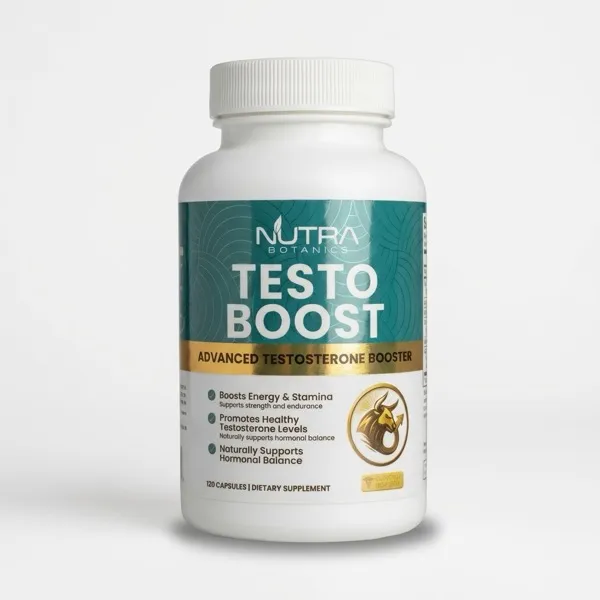
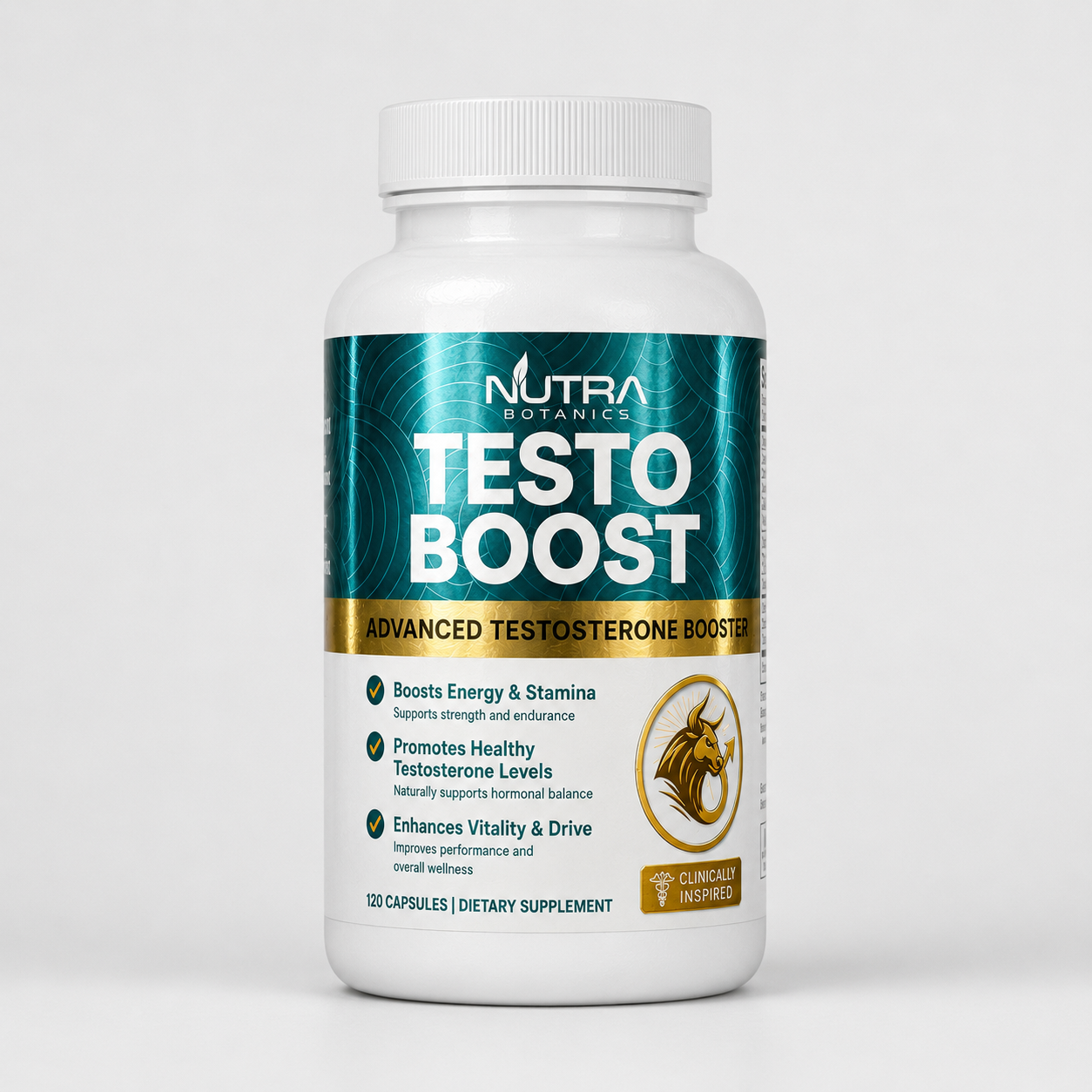
Testo Boost
Testosterone support · 30 servings
- A targeted formula men often stack alongside hormone-support habits — pairs with the lifestyle and nutrient foundations covered in this article.
$34.95Free shipping over $75
Shop Testo Boost
Explore the Full Catalog
Browse every Nutra Botanics formula
- Compare products, ingredients, and dosing across the full line
Shop the rangeSubscribe & save 20%
Shop All Products