
Key Takeaways
- After 35, testosterone typically declines 1–2% per year — most decline responds to lifestyle interventions
- Sleep of 7–9 hours is the highest-impact free lever — most testosterone is produced during deep sleep
- Resistance training, especially compound lifts, supports natural production after 35
- Zinc, magnesium, vitamin D, and ashwagandha are the most research-supported additions when deficiencies are present
- Persistent symptoms warrant proper lab work — supplements should not replace a diagnostic workup
Related reading: How to Boost Testosterone Naturally, Testosterone After 40, 8 Signs of Low Testosterone, Natural Testosterone Boosters.
What Testosterone Actually Does
Testosterone is often reduced to a "muscle hormone" or a "sex hormone," but its role in male health is far more extensive. It is the primary androgen in the male body and influences virtually every system you rely on daily.
Muscle protein synthesis is directly regulated by testosterone. It signals your body to build and maintain lean tissue, which is why low testosterone often correlates with muscle loss even when training volume stays the same. Beyond the gym, testosterone plays a critical role in bone mineral density, helping to maintain the structural integrity that prevents fractures as you age.
Testosterone also governs red blood cell production, which affects oxygen delivery to working muscles and overall stamina. It influences fat distribution, tending to prevent the visceral fat accumulation that becomes more common in middle age. And its effects on mood, cognitive sharpness, and motivation are well-documented. Many men who experience declining testosterone describe a general sense of flatness or reduced drive that goes beyond physical symptoms.
On the reproductive side, testosterone drives libido and supports healthy sperm production. But it is worth emphasizing that testosterone is not just about any one function. It is a systemic hormone, and when levels decline, the effects tend to be diffuse and cumulative rather than sudden and dramatic.
Why Testosterone Declines After 35
Starting around age 30, most men experience an average decline of 1 to 2 percent per year in total testosterone. By age 50, many men are operating at 20 to 30 percent below their peak levels. This is not a disease. It is a normal part of aging driven by changes in the hypothalamic-pituitary-gonadal axis, the hormonal signaling chain that regulates testosterone production.
But aging is only part of the story. Modern lifestyle factors are accelerating this decline in ways that previous generations did not face. Chronic stress elevates cortisol, which directly suppresses testosterone production. The stress-hormone relationship is not subtle: sustained cortisol elevation can reduce testosterone output by a meaningful margin within weeks.
Sleep deprivation is another major driver. Research shows that men who sleep five hours per night have testosterone levels 10 to 15 percent lower than those who sleep seven to eight hours. Since deep sleep is when the majority of testosterone is produced, even mild sleep disruption has a disproportionate effect.
Excess body fat, particularly visceral fat, contains aromatase enzymes that convert testosterone into estrogen. This creates a feedback loop where lower testosterone leads to more fat storage, which leads to even lower testosterone. Sedentary behavior, excessive alcohol consumption, and nutrient deficiencies in zinc and vitamin D further compound the problem.
The takeaway is that age-related decline is real but often made worse by factors within your control. Addressing those factors is the foundation of any testosterone support strategy.
Research-Backed Natural Ingredients
Not all natural testosterone support ingredients are created equal. Some have robust clinical evidence. Others have a single promising study that gets stretched into aggressive marketing claims. Here is what the research actually shows for the most studied compounds.
Ashwagandha (KSM-66 / Withania somnifera)
Ashwagandha is an adaptogenic herb with a strong body of clinical evidence for testosterone support. The 600 mg KSM-66 evidence comes from Wankhede et al., 2015 in the Journal of the International Society of Sports Nutrition (PMID 26609282): 57 resistance-trained males, mean age 28, on 600 mg/day KSM-66 for 8 weeks alongside training showed a 15.3% increase in serum testosterone vs. 2.7% in placebo (p<0.001). The 14.7% number that often gets attached to "KSM-66" actually comes from Lopresti et al., 2019 in Am J Mens Health (PMID 30854916), which used a different extract — Shoden by Arjuna Natural — given as two 300 mg tablets delivering 21 mg/day of withanolide glycosides, with salivary testosterone (ELISA) rising 14.7% over a 16-week crossover in overweight men aged 40–70 with mild fatigue. Beyond direct testosterone effects, standardized ashwagandha extracts have been shown to reduce cortisol by up to 27%, addressing one of the key hormonal antagonists to testosterone production.
Fenugreek Extract
Fenugreek contains furostanolic saponins that may inhibit aromatase and 5-alpha-reductase, enzymes that convert testosterone into estrogen and DHT respectively. A 12-week study in the International Journal of Exercise Science showed that men taking 500mg of fenugreek extract maintained free testosterone levels during a resistance training program while the placebo group saw a decline. Multiple studies confirm improvements in strength output, body composition, and libido in men taking standardized fenugreek extract.
Tongkat Ali (Eurycoma longifolia)
Tongkat Ali has been used in Southeast Asian traditional medicine for centuries, and modern research is catching up. A 2022 meta-analysis covering 9 randomized controlled trials concluded that Tongkat Ali supplementation significantly improved total testosterone levels in men, with the most pronounced effects in men who had suboptimal levels to begin with. The proposed mechanism involves stimulating Leydig cell function and reducing sex hormone-binding globulin (SHBG), which frees up more bioavailable testosterone.
Zinc and Vitamin D
These are not exotic herbs, but they are foundational. Zinc is required for testosterone synthesis at the enzymatic level. Studies show that zinc-deficient men who supplement experience significant increases in testosterone, while men with adequate zinc see no change. This makes zinc a corrective rather than a booster, but given that an estimated 35 to 45 percent of adults over 60 have inadequate zinc intake, it is a correction many men need. Vitamin D follows a similar pattern, with research linking deficiency to lower testosterone and supplementation to modest improvements in deficient populations.
Notice the gap between ingredients like ashwagandha and fenugreek compared to tribulus terrestris and D-aspartic acid. Tribulus is one of the most commonly marketed "testosterone boosters" despite multiple clinical trials showing no significant effect on testosterone in healthy men. D-aspartic acid showed promise in one early study but subsequent research has failed to replicate the results. When evaluating a supplement, the depth and quality of research behind each ingredient matters far more than the number of ingredients on the label.
Tribulus is one of the most commonly marketed "testosterone boosters" despite multiple clinical trials showing no significant effect on testosterone in healthy men.
Stimulant vs. Adaptogen Approaches
There is an important distinction in how testosterone support supplements work that most marketing obscures. Some products rely on stimulants and short-term energy boosters to create the feeling of higher testosterone, like caffeine, yohimbine, or high-dose B vitamins. You feel more alert and energized, so you assume the product is working on your hormones. It is not.
The adaptogen approach is fundamentally different. Adaptogens like ashwagandha, tongkat ali, and rhodiola work by modulating the stress response and supporting the hormonal systems that regulate testosterone production over time. The effects are not immediate. They build over weeks of consistent use. But they address actual hormonal mechanisms rather than masking symptoms with stimulant energy.
Lifestyle Factors That Move the Needle
No supplement can compensate for poor lifestyle habits. Before or alongside any supplementation, these are the highest-impact changes you can make for natural testosterone support.
Resistance training is the single most effective natural testosterone intervention. Compound movements like squats, deadlifts, bench press, and rows performed at moderate to high intensity have been shown to acutely elevate testosterone and, over time, support higher baseline levels. The effect is dose-dependent: higher training volume and intensity produce a stronger hormonal response, up to a point. Overtraining flips the equation and elevates cortisol.
Sleep optimization is equally critical. Aim for 7 to 9 hours of quality sleep in a cool, dark room. Testosterone production peaks during REM sleep, and anything that fragments your sleep cycles, whether it is alcohol, screen exposure, or late caffeine, directly reduces the window your body has for hormone production.
Body composition management is the third pillar. Reducing excess body fat, especially around the midsection, lowers aromatase activity and breaks the fat-estrogen cycle. You do not need to get to single-digit body fat, but moving from an overweight BMI to a healthy range can have a measurable effect on free testosterone.
Stress management is the most overlooked factor. Chronic psychological stress, whether from work, relationships, or financial pressure, keeps cortisol elevated and suppresses the HPG axis. Meditation, time in nature, adequate social connection, and simply building recovery time into your schedule all contribute to a hormonal environment that supports testosterone production.
How to Choose a Testosterone Support Supplement
With the science and lifestyle foundations covered, here is how to evaluate a testosterone support supplement. These are the criteria that separate effective products from expensive placebos.
Look for clinically studied ingredients at effective doses. A product that lists ashwagandha but only includes 100mg is not going to replicate the results of studies that used 300 to 600mg. Check the Supplement Facts panel for actual amounts, not just ingredient names. Proprietary blends that hide individual doses behind a total blend weight are a red flag.
Prioritize adaptogens and minerals over stimulants. As discussed above, the best testosterone support formulas are built around ashwagandha, fenugreek, tongkat ali, zinc, vitamin D, and similar compounds with direct hormonal mechanisms. Caffeine, green tea extract, and B vitamins are fine ingredients but they do not support testosterone production.
Check for synergistic formulation. The most effective products combine ingredients that work through different mechanisms. For example, ashwagandha reduces cortisol while fenugreek inhibits aromatase and tongkat ali supports Leydig cell function. A multi-pathway approach is more effective than mega-dosing a single ingredient.
Verify third-party testing. Any reputable supplement company should be able to provide evidence of third-party testing for purity, potency, and banned substances. This is especially important for testosterone products, as some have been found to contain undisclosed synthetic hormones or prohormones.
Key Takeaways
Key Takeaway
Key Takeaway: Testosterone decline after 35 is natural but not inevitable at the rate most men experience it. Chronic stress, poor sleep, excess body fat, and sedentary habits accelerate the decline far beyond what aging alone would cause. The most effective strategy combines lifestyle optimization (resistance training, sleep, stress management) with evidence-based supplementation (ashwagandha, fenugreek, tongkat ali, zinc). Avoid products that rely on stimulants to mimic hormonal effects, and always look for clinically studied doses and transparent labels.Support Your Testosterone Naturally
Testo Boost combines 12 research-backed ingredients including ashwagandha, fenugreek, tongkat ali, and zinc in clinically effective doses. 30 servings per bottle.
Shop Testo Boost — $42.99Frequently Asked Questions
Do testosterone levels really decline after 35?
What natural supplements have research support for testosterone?
What lifestyle factors most reduce testosterone after 35?
Can exercise alone restore testosterone levels?
When should I see a doctor about low testosterone?
Is it normal to have low testosterone at 35?
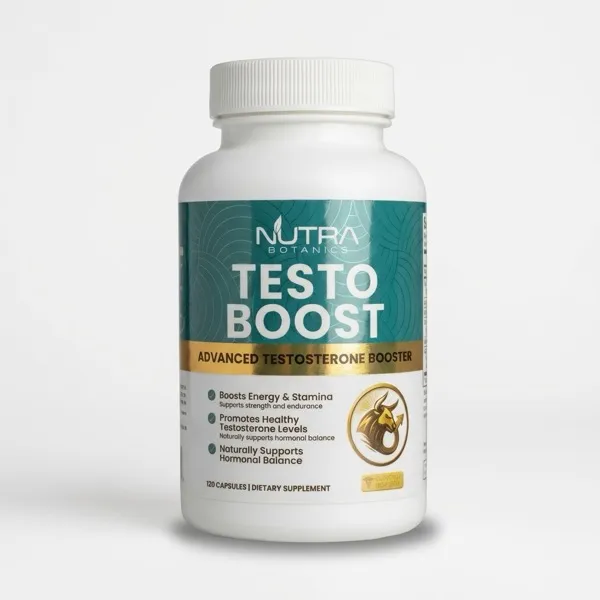
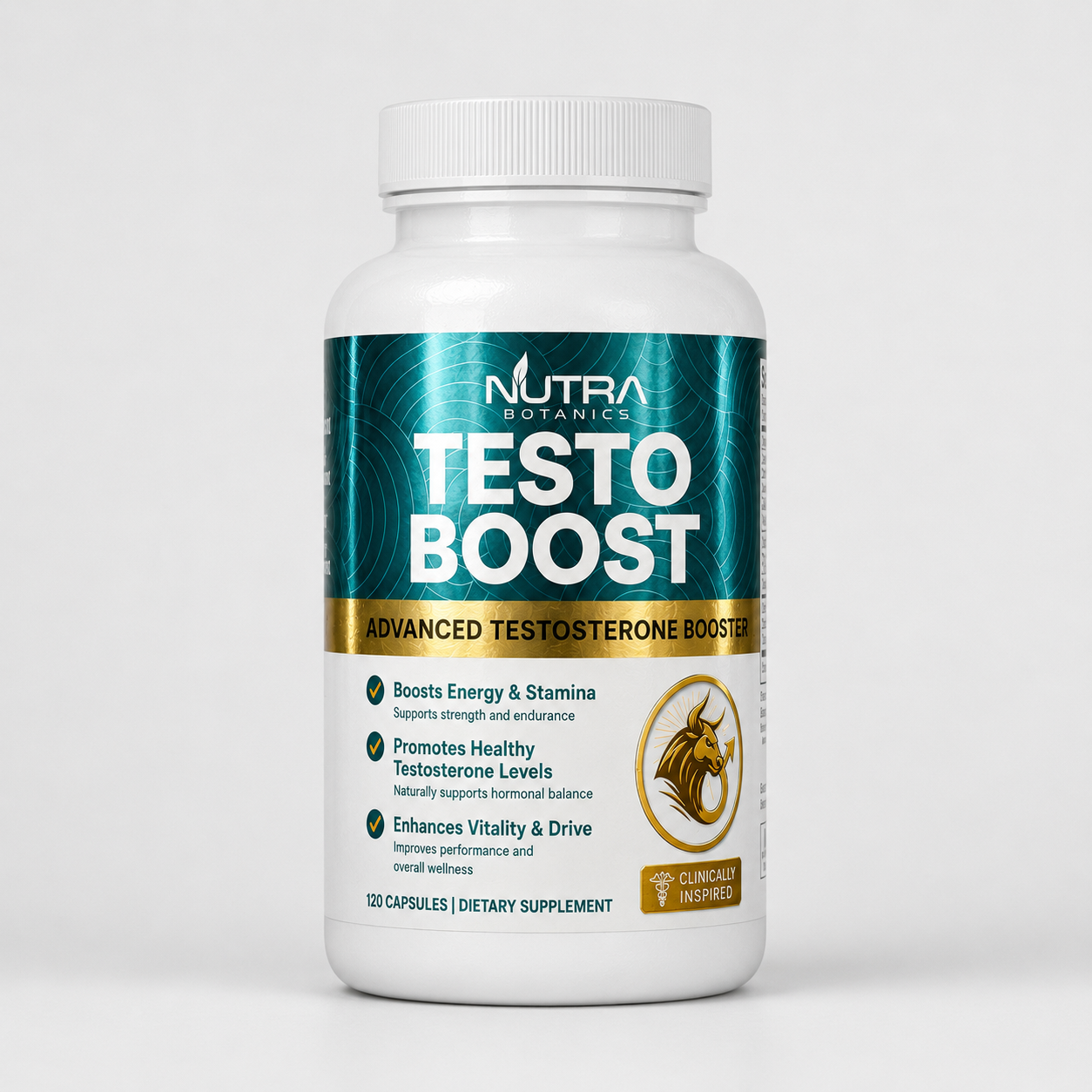
Testo Boost
Testosterone support · 30 servings
- A targeted formula men often stack alongside hormone-support habits — pairs with the lifestyle and nutrient foundations covered in this article.
$34.95Free shipping over $75
Shop Testo Boost
Explore the Full Catalog
Browse every Nutra Botanics formula
- Compare products, ingredients, and dosing across the full line
Shop the rangeSubscribe & save 20%
Shop All Products