Related reading: Does Collagen Actually Work? (Research Review), 12 Foods That Boost Collagen Production, How Much Collagen Per Day, Best Time to Take Collagen.
Understanding the Three Main Forms
Collagen supplements have evolved significantly since they first appeared on the market. Today, consumers can choose between three primary delivery formats, each developed to address different preferences and use cases.
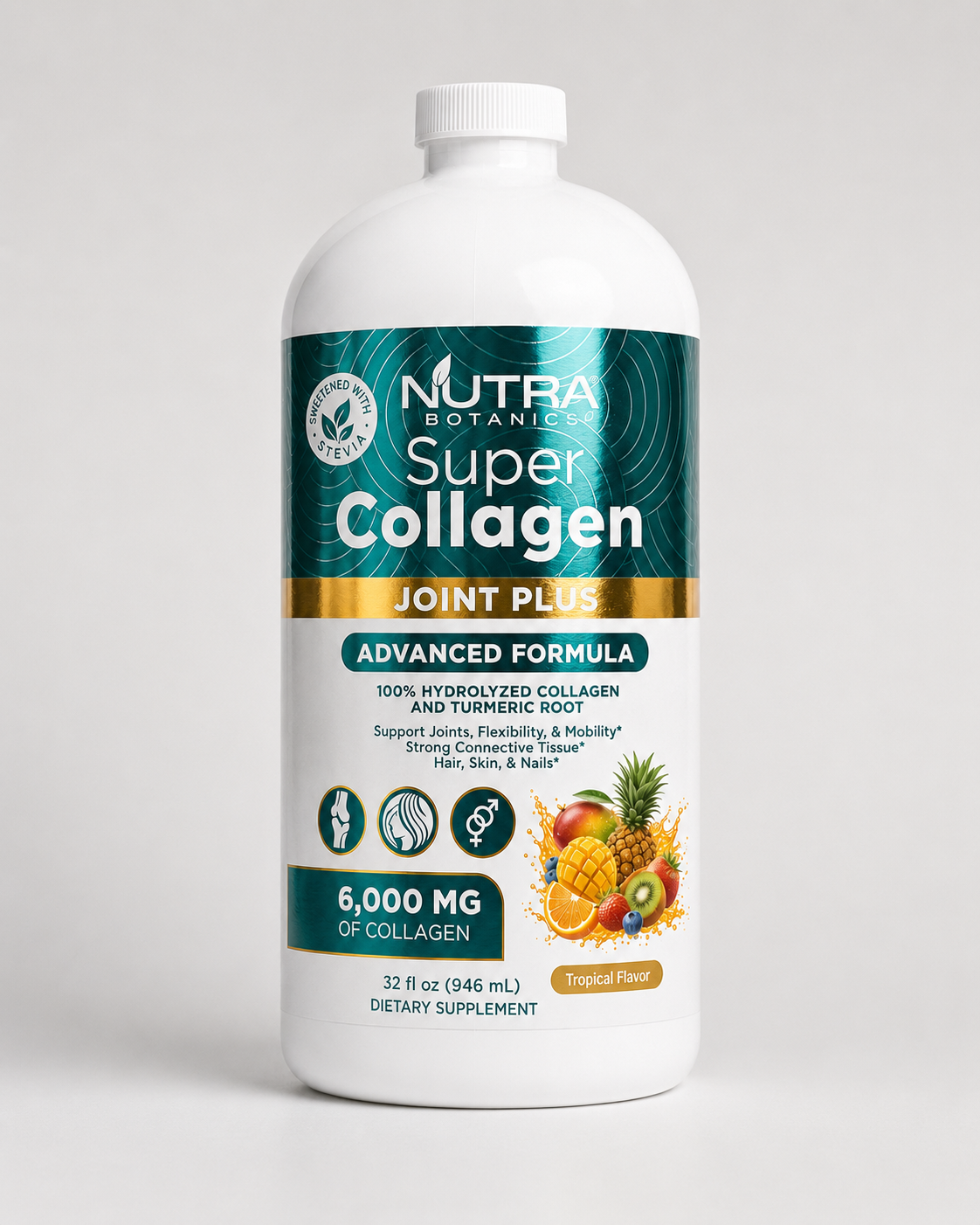
Liquid collagen is a pre-dissolved, ready-to-drink formulation that typically delivers collagen in its most bioavailable form. Because the collagen peptides are already dissolved in a liquid medium, they bypass the dissolution step that powders and capsules require in the stomach, allowing for faster and more complete absorption. Premium liquid collagen products like Nutra Botanics' Super Collagen Liquid deliver concentrated doses of 10,000 mg per serving in a convenient format that takes less than 60 seconds to consume.
Collagen powder consists of hydrolyzed collagen peptides in a dried, granular form. Powders offer dosage flexibility because you can easily adjust the amount you use, and they can be mixed into beverages, smoothies, or food. High-quality hydrolyzed collagen powders dissolve well in both hot and cold liquids and have a relatively neutral taste. The main trade-off is the preparation time and the need for a liquid to mix them into.
Collagen capsules and pills are the most convenient form for on-the-go use. They require no preparation or mixing and have no taste whatsoever. However, capsules face a significant limitation: each capsule can only hold a relatively small amount of collagen, typically 500 to 1,000 mg. This means you may need to take 10 to 20 capsules per day to reach an effective dose, which many people find impractical and unpleasant.
Side-by-Side Comparison
| Factor | Liquid | Powder | Capsules/Pills |
|---|---|---|---|
| Absorption Rate | High | Moderate–High | Moderate |
| Convenience | Very high — drink and go | Moderate — requires mixing | High — swallow with water |
| Dose Per Serving | 5,000-10,000mg | 5,000-20,000mg (adjustable) | 500-1,000mg per capsule |
| Taste | Flavored options available | Mostly neutral, unflavored | No taste |
| Price Per Serving | $$ | $ | $$ (need many capsules) |
| Best For | Maximum absorption, busy lifestyles | Flexible dosing, smoothie lovers | Travel, taste-sensitive users |
Bioavailability: Which Form Gets Absorbed Best?
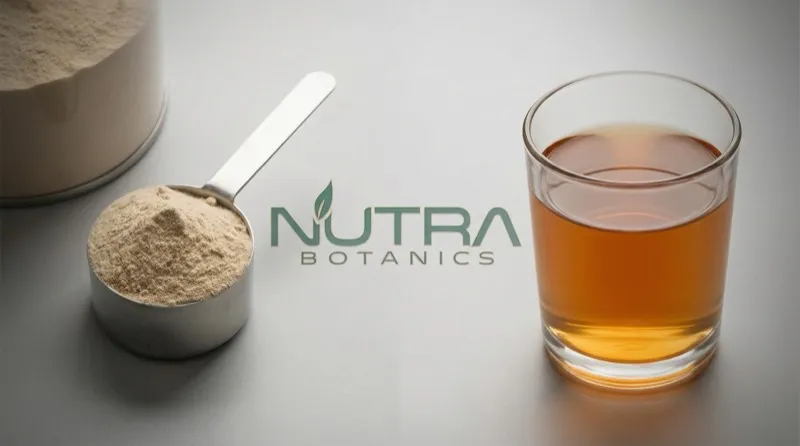
Bioavailability refers to the proportion of a supplement that enters your bloodstream and is available for use by your body's tissues. It is arguably the single most important factor when comparing collagen formats, because a supplement that is not absorbed is a supplement that cannot work regardless of its dose or quality.
Liquid collagen achieves the highest bioavailability because the collagen peptides are already fully dissolved and ready for absorption the moment they reach the intestinal lining. There is no capsule shell to break down, no powder to dissolve, and no additional processing required by the digestive system. This pre-dissolved state means that absorption begins rapidly and more of the active peptides reach your bloodstream intact.
Hydrolyzed collagen powder performs nearly as well, with bioavailability around 90 percent, provided it is a high-quality product with properly sized peptides. The slight reduction compared to liquid comes from the time required for the powder to fully dissolve in the stomach, during which a small percentage of peptides may be further degraded by stomach acid before absorption.
How Hydrolyzation Affects Absorption
Hydrolyzation is the process of breaking down collagen protein chains into smaller peptide fragments using enzymatic or chemical methods. Native collagen molecules are extremely large, with molecular weights of approximately 300,000 daltons, far too large to be absorbed through the intestinal wall.
Enzymatic hydrolysis breaks these large molecules down to peptides averaging 2,000 to 5,000 daltons. At this size, the peptides are small enough to pass through the intestinal epithelium and enter the bloodstream directly. Research has shown that the smaller the peptide, the more efficiently it is absorbed. The best liquid collagen products use advanced hydrolysis techniques to produce peptides at the lower end of this range, maximizing absorption rates.
This is why non-hydrolyzed collagen sources, such as gelatin or whole food collagen, have dramatically lower bioavailability. Your body must perform the hydrolysis process internally, which is slow, incomplete, and results in significantly less collagen reaching your target tissues.
The Liquid Collagen Advantage
Beyond superior bioavailability, liquid collagen offers several practical advantages that make it the preferred choice for many health-conscious consumers. The convenience factor cannot be overstated: a single serving takes less than a minute to consume, requires no mixing or preparation, and can be taken anywhere without additional equipment or beverages.
Liquid formulations also allow manufacturers to include complementary ingredients that enhance collagen's effectiveness. Premium liquid collagen products often contain added vitamin C, hyaluronic acid, biotin, or other synergistic nutrients that work together to maximize the benefits of collagen supplementation. These combination formulas are difficult to replicate in capsule form due to space limitations.
"Liquid supplement formulations may offer absorption advantages compared to solid forms in pharmacokinetic studies. The pre-dissolved active ingredients in liquid supplements bypass the disintegration and dissolution phases required for tablets and capsules, which may support faster onset of absorption."
Journal of Pharmaceutical Sciences, Review of Liquid vs Solid Supplement Bioavailability, 2021For individuals with digestive sensitivities or those who have difficulty swallowing pills, liquid collagen provides a gentle, easy-to-tolerate alternative. The liquid format is also ideal for older adults, who often experience reduced stomach acid production that can impair the breakdown and absorption of solid supplement forms.
Choosing the Right Form for Your Goals
The best collagen form for you depends on your specific priorities. If maximum absorption and convenience are your top concerns, liquid collagen is the clear winner. It delivers clinically relevant doses in a single, ready-to-drink serving and achieves the highest absorption rates of any format.
If you value dosage flexibility and cost-effectiveness, collagen powder is an excellent choice. Powder allows you to precisely control your dose, scale up for athletic recovery or scale down for maintenance, and mix it into foods and beverages you already consume. High-quality hydrolyzed collagen powder offers bioavailability that is nearly comparable to liquid.
Capsules and pills are best suited for travelers, people who are extremely sensitive to taste, or those who need a portable option for occasional use alongside a primary liquid or powder regimen. However, because of the low per-capsule dose, capsules should generally not be your sole collagen source if you are targeting therapeutic doses for skin, joints, or athletic recovery.
For many people, the most effective strategy is to use liquid collagen as your daily foundation and keep a supply of capsules for travel or days when your routine is disrupted. This approach maximizes both absorption and consistency, the two most critical factors for long-term collagen supplementation success.
*These statements have not been evaluated by the Food and Drug Administration. This product is not intended to diagnose, treat, cure, or prevent any disease. Individual results may vary.
Quality Markers to Look For
Regardless of which form you choose, quality should be your primary consideration. A cheap collagen supplement with poor bioavailability is never a good value, regardless of its price tag. Here are the critical quality markers to evaluate before purchasing any collagen product:
- Hydrolysis method: Look for enzymatically hydrolyzed collagen with an average molecular weight of 2,000 to 5,000 daltons. This range provides optimal absorption.
- Source transparency: The best brands disclose exactly where their collagen comes from, whether it is grass-fed bovine, wild-caught marine, or pasture-raised poultry sources.
- Third-party testing: Independent laboratory verification ensures that the product contains what the label claims and is free from contaminants such as heavy metals.
- GMP certification: Good Manufacturing Practice certification indicates that the product was manufactured in a facility that meets strict quality control standards.
- Clinically relevant doses: The product should deliver doses that match what has been shown effective in peer-reviewed clinical research, not token amounts designed to lower production costs.
- Complementary ingredients: Products that include vitamin C, hyaluronic acid, or other synergistic nutrients provide added value and enhanced results.
Key Takeaways
- Liquid collagen offers high bioavailability and the greatest convenience, making it a popular choice for daily use.
- Hydrolyzed collagen powder offers similar bioavailability with the best dosage flexibility and cost-effectiveness.
- Capsules are convenient for travel but impractical as a primary collagen source due to low per-capsule doses.
- Hydrolyzation is the key process that determines absorption. Always choose hydrolyzed collagen over gelatin or whole food sources.
- Quality matters more than form. Choose products that are third-party tested, GMP-certified, and provide meaningful, research-informed doses.
Experience the Liquid Collagen Difference
Try our premium Super Collagen Liquid with 10,000mg per serving in a convenient liquid formula. Designed for efficient absorption and consistent daily support.*
Shop CollagenHow much collagen is in a typical liquid serving versus powder?
Liquid collagen servings typically provide 5,000–10,000mg (5–10g) of hydrolyzed collagen peptides per serving. Powder scoops typically provide 10,000–20,000mg (10–20g) per serving. For reaching the 10–15g per day effective dose, you may need two servings of liquid collagen or a single scoop of powder. Always check the label for exact collagen content.*
Does collagen lose potency when added to hot drinks?
Hydrolyzed collagen peptides are heat-stable and can be added to hot coffee, tea, or soup without losing their peptide structure. This is different from gelatin (non-hydrolyzed collagen), which gels when cooled. Hydrolyzed collagen powder or liquid can be safely added to hot or cold beverages without any loss of effectiveness.*
Which is more convenient for daily use — liquid or powder?
Liquid collagen is ready to drink with no mixing required, making it very convenient for daily use at home. Powder is more travel-friendly — it is lighter, comes in resealable containers, and has a longer shelf life once opened. Individual powder sachets are particularly good for travel. The best form is whichever one you will actually take every single day.*
Does liquid collagen taste bad?
High-quality liquid collagen products are formulated to be palatable, often with natural fruit flavors. Lower-quality products or unflavored marine collagen can have a fishy taste. If taste is a concern, look for liquid collagen with natural flavoring or add it to a smoothie or juice. Premium brands have largely solved the taste issue.*
Is there a difference in results between liquid and powder collagen?
At equivalent doses, the clinical results for skin, joint, and hair benefits are comparable between liquid and powder hydrolyzed collagen. The slight bioavailability advantage of liquid may translate to modest faster onset of results, but both forms produce meaningful improvements at 8–12 weeks with consistent daily use at the correct dose.*
Experience the Liquid Collagen Difference
Try our premium Super Collagen Liquid with 10,000mg per serving in a convenient liquid formula. Designed for efficient absorption and consistent daily support.*
Shop CollagenComparing specific brands?
Read Nutra Botanics vs Vital Proteins: Honest 2026 Comparison for a head-to-head with peptide-weight disclosure, true price per gram of collagen, and where each brand actually wins.
Frequently Asked Questions
Is liquid collagen better than collagen powder?
How much collagen is in a typical liquid serving versus powder?
Does collagen lose potency when added to hot drinks?
Which is more convenient for daily use — liquid or powder?
Does liquid collagen taste bad?
Is there a difference in results between liquid and powder collagen?
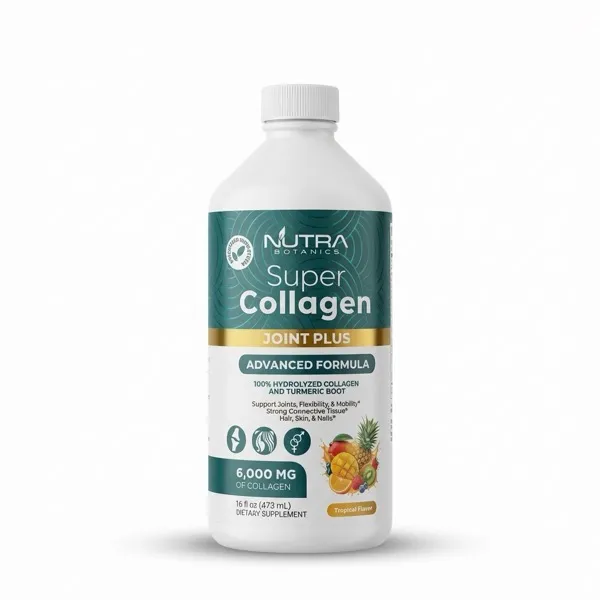
Super Collagen Liquid
Hydrolyzed Peptides · 30 servings
- 6,000mg hydrolyzed collagen peptides per serving
- Liquid format for maximum bioavailability
- Supports hair, nails, skin, and joints
- GMP & NSF certified · PhD-supervised testing
$39.95Free shipping over $75
Shop Super Collagen
Explore All Collagen Products
Browse the Nutra Botanics collagen range
- Multiple formats: liquid peptides, powders, capsules
- Compare serving sizes, sources, and stack partners
- Find the right format for your routine
- GMP & NSF certified · PhD-supervised testing
Shop the rangeSubscribe & save 20%
Browse Collagen