
Key Takeaways
- No supplement meaningfully raises metabolism without the foundation of training, protein, sleep, and movement
- Green tea extract, caffeine, and L-carnitine are the most research-supported; effects are modest
- Protein-based supplements (whey, collagen) support metabolism indirectly by supporting lean mass
- Thyroid, iron, and B-vitamin deficiencies are common correctable causes of sluggish metabolism
- Supplements are accents — the largest metabolic leverage comes from training and daily habits
Related reading: How to Boost Your Metabolism, Metabolism After 40, Signs of a Slow Metabolism, Green Tea Extract and Metabolism.
The metabolism-supplement category is roughly half hype. This guide separates the studied minority from the marketing-heavy majority by sorting common ingredients into evidence tiers — multiple RCTs (green tea EGCG, caffeine), one or two RCTs with smaller effects (L-carnitine, chromium, CoQ10), and mechanism-only or weak evidence (raspberry ketones, Garcinia, most "fat burner" blends). For each, you'll see effective dose, what "studied" actually translates to in pounds or percentage points, and where to set realistic expectations.
Green Tea Extract (EGCG): Thermogenic Evidence Leader
As covered in depth in other posts, EGCG is the most clinically validated thermogenic supplement. At 270–400mg/day combined with caffeine, it consistently increases metabolic rate by 3–4% and fat oxidation by 10–17% in randomized controlled trials. A meta-analysis (Hursel et al. 2009) confirmed modest but consistent weight loss (approximately 1.3kg over 12 weeks) compared to placebo.
For a metabolism support stack, green tea extract is the anchor ingredient — the one with the most robust, replicated evidence across multiple research groups and populations. Look for extracts standardized to at least 45–55% EGCG, and take with food to minimize any GI burden.
L-Carnitine: Fat Transport and Energy Production
L-carnitine is an amino-acid-derived compound that serves as the essential transporter for long-chain fatty acids into the mitochondrial matrix — where they're oxidized for energy. Without adequate carnitine, fat cannot efficiently enter mitochondria for burning, regardless of how much lipolysis (fat cell release) occurs.
L-carnitine synthesis requires lysine, methionine, vitamin C, and iron — all of which can be insufficient in some diets. Meat is the primary dietary source; vegetarians and vegans have consistently lower carnitine status. A 2020 meta-analysis (Talenezhad et al. 2020) found L-carnitine supplementation (1.5–3g/day) produced modest but significant weight loss compared to placebo — with effects most pronounced in older adults and those with type 2 diabetes, where carnitine metabolism is most impaired. For most healthy, younger adults eating meat regularly, the marginal benefit is smaller. Pairing it with thermogenic and lipolytic ingredients in the L-carnitine + CLA + green tea stack is where the additive effect sizes become more meaningful.
Chromium Picolinate: Insulin Sensitivity and Blood Sugar
Chromium is a trace mineral that is a structural component of chromodulin — a molecule that amplifies insulin receptor signaling. When chromium status is adequate, insulin can direct glucose into cells more efficiently; when it's low, blood sugar stability suffers. The practical consequence: higher post-meal blood sugar spikes, greater fat storage signaling, more carbohydrate cravings (for cravings-specific protocols, see our guide to natural appetite suppressants), and less consistent energy throughout the day.
A double-blind RCT (Anton et al. 2008) found chromium picolinate (1,000mcg/day) significantly reduced carbohydrate cravings, hunger, and fat intake compared to placebo over 8 weeks in overweight women. Multiple studies show chromium supplementation improves fasting blood glucose and HbA1c in people with insulin resistance. At 200–1,000mcg/day, it's safe and well-tolerated. It's most impactful for people who struggle with carbohydrate cravings and post-meal energy crashes.
CoQ10: Mitochondrial Energy Production
Coenzyme Q10 is an essential component of the mitochondrial electron transport chain — the final pathway through which cells produce ATP from fats and carbohydrates. It functions both as an electron carrier and as a powerful fat-soluble antioxidant protecting mitochondrial membranes from oxidative damage.
Coenzyme Q10 is an essential component of the mitochondrial electron transport chain — the final pathway through which cells produce ATP from fats and carbohydrates.
CoQ10 levels decline with age (by approximately 50% between ages 20 and 80) and are dramatically depleted by statin medications (which block the same synthetic pathway as cholesterol). Supplementation (100–300mg/day of ubiquinol, the active form) restores CoQ10 status, improves mitochondrial energy efficiency, and in clinical trials improves exercise capacity and reduces fatigue in people with documented CoQ10 deficiency. For people over 40 or on statins, CoQ10 is among the most evidence-backed supplementation choices for metabolic energy support.
B Vitamins: The Metabolic Cofactor Complex
Every major energy metabolism pathway — glycolysis, the citric acid cycle, beta-oxidation of fats, and the electron transport chain — requires B vitamins as cofactors. B1 (thiamine), B2 (riboflavin), B3 (niacin), B5 (pantothenate), B6, B7 (biotin), B9 (folate), and B12 are all involved in producing energy from macronutrients.
Deficiency in any of these vitamins creates a bottleneck that reduces metabolic efficiency — often experienced as fatigue, difficulty concentrating, and poor exercise performance. B12 is particularly worth highlighting: its absorption requires intrinsic factor from the stomach, which declines with age, and up to 20% of adults over 50 may have suboptimal B12 status. A methylcobalamin or adenosylcobalamin form of B12 (rather than cyanocobalamin) is best absorbed, particularly as active transport capacity declines with age.
Research Snapshot
Metabolic Effect Sizes: Evidence-Ranked Ingredients
24-hour energy expenditure or body-composition outcomes from controlled trials.
Effects require consistent intake and are additive to training and nutrition. Not medical advice.
What to Skip: Supplements Without Adequate Evidence
Many metabolism supplements make bold claims without clinical backing at their actual dosing. Garcinia cambogia (hydroxycitric acid) has been repeatedly studied in RCTs and consistently fails to outperform placebo for weight loss at standard doses. Raspberry ketones have no human RCT evidence whatsoever — the claimed effects are extrapolated from cell and animal studies. CLA (conjugated linoleic acid) shows very modest effects in humans — much smaller than animal data suggested.
Problematic patterns to watch for in supplement marketing: proprietary blends that list ingredients without doses, before/after photos as primary evidence, money-back guarantee as a substitute for clinical data, and ingredient lists with dozens of compounds at sub-therapeutic doses. A well-designed metabolism supplement has 4–6 ingredients at clinically researched doses — not 25 ingredients at homeopathic amounts.
NutraBotanics Metabolism Bundle
Two evidence-backed metabolism support ingredients in one convenient bundle — L-Carnitine 5000mg for fatty acid transport and CLA 2000mg for healthy body composition.
Shop Metabolism Bundle →Frequently Asked Questions
What is the best supplement to boost metabolism?
Do metabolism supplements actually work?
What is L-carnitine good for?
Is CoQ10 good for metabolism?
Does chromium help with weight loss?
Should I take a B-complex for metabolism?
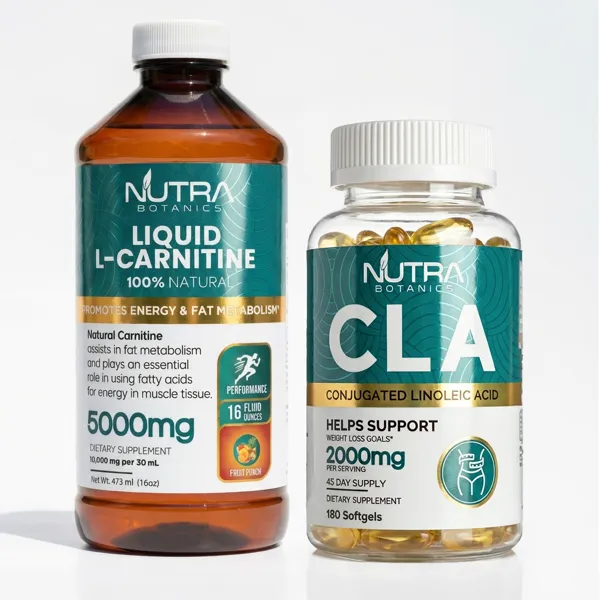
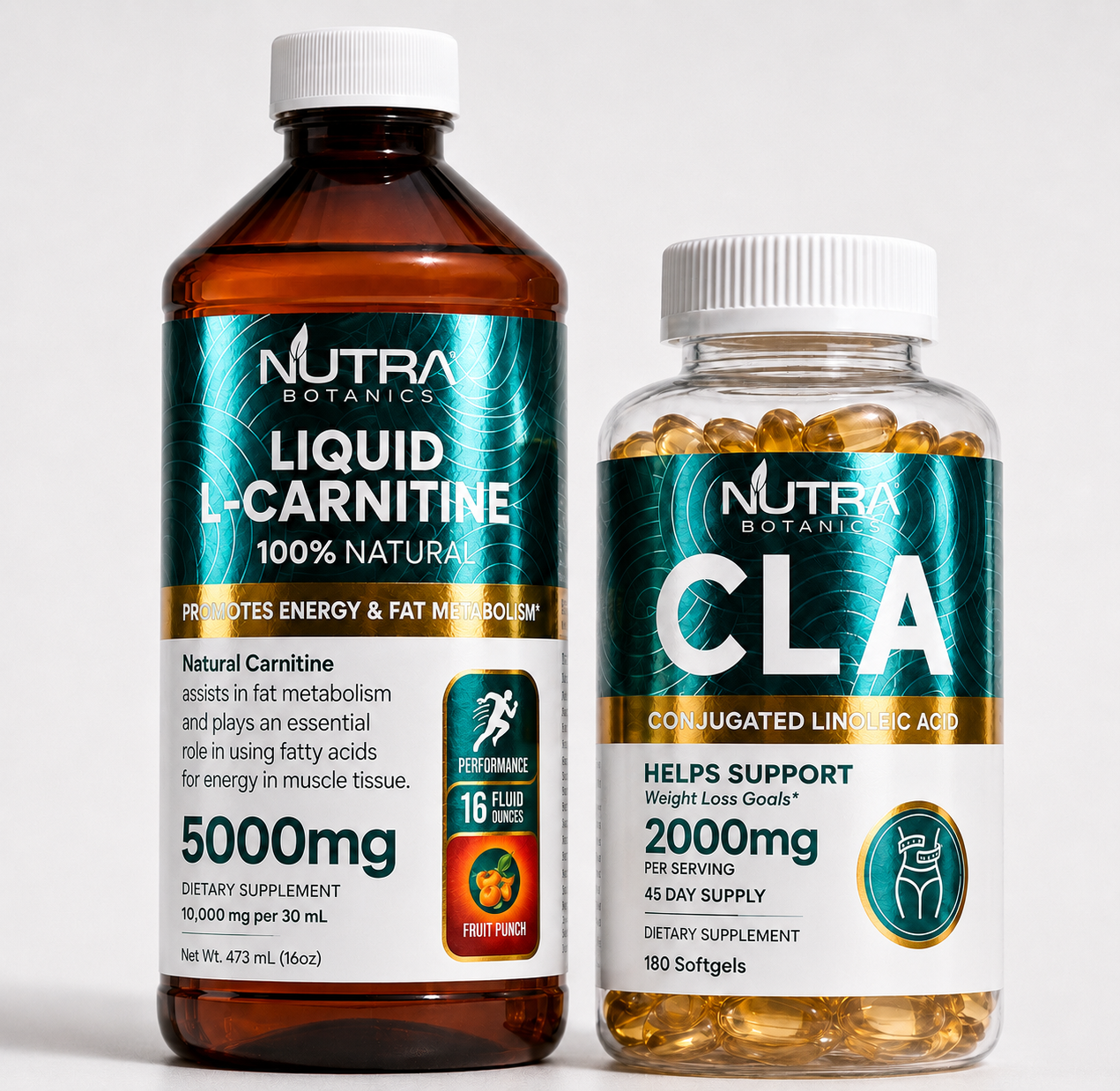
Metabolism Booster Bundle
L-Carnitine 5000mg + CLA 2000mg · Dual-pathway support
- L-Carnitine supports fat transport into mitochondria
- CLA provides a complementary body-composition pathway
- Non-stimulant · bundle saves $11.99 vs individual
- GMP & NSF certified · PhD-supervised testing
See bundle pricingFree shipping over $75
Shop Metabolism Bundle
Explore Metabolism Support
Browse the Nutra Botanics metabolism range
- L-Carnitine, CLA, and bundle options
- Compare formats, dosing, and stack partners
- Non-stimulant pathway options
- GMP & NSF certified · PhD-supervised testing
Shop the rangeSubscribe & save 20%
Browse Metabolism