
Related reading: Does Collagen Actually Work? (Research Review), 12 Foods That Boost Collagen Production, How Much Collagen Per Day, Best Time to Take Collagen.
What Is Cellulite and Why Does It Form?
Cellulite is not simply extra fat. It is the result of a specific structural interaction between fat cells, connective tissue, and skin. Beneath your skin sits a layer of subcutaneous fat arranged in chambers created by fibrous connective tissue bands called septae. In women, these septae run in a largely vertical pattern, which allows fat cells to push upward through the connective tissue network and create the dimpled, uneven surface texture we recognize as cellulite.
In men, the septae run diagonally in a cross-hatch pattern, which is why cellulite is far less common in men — their structural framework does a better job of containing fat cells without allowing them to protrude into the dermis layer.
Several factors make cellulite more pronounced. Age plays a significant role because the dermis — the deeper layer of skin containing collagen and elastin fibers — thins over time, becoming less able to smooth over the underlying fat layer. Hormonal fluctuations, particularly declining estrogen, weaken collagen structure in the skin and loosen the connective tissue that gives skin its taut appearance. Poor circulation, dehydration, and high body fat percentage can all exacerbate the visual impact of cellulite.
The key insight for anyone considering collagen supplementation: cellulite is fundamentally a structural collagen problem. The connective tissue bands have weakened, the dermis has thinned, and the skin's matrix can no longer mask what lies beneath. Any intervention that strengthens and restores the collagen network in the dermis has a rational mechanism for improving cellulite appearance.
The Role of Collagen in Skin Structure
Your skin's ability to look smooth and firm depends directly on the density and organization of collagen fibers in the dermis. Healthy, well-organized Type I collagen provides the tensile strength and resilience that gives skin its smooth surface texture. Type III collagen, which tends to be more prevalent in younger skin, contributes to the suppleness and elasticity that helps skin snap back into shape.

When collagen in the dermis degrades — due to age, UV exposure, hormonal changes, or nutritional deficiency — the fibrous scaffold that supports the skin from within becomes disorganized and sparse. The dermis literally thins. Fat cells that were previously hidden beneath a dense collagen network begin to push through and become visible. The connective tissue septae pull downward on the skin's surface, creating the characteristic dimpling pattern of cellulite.
This is why topical creams rarely produce meaningful results. Most cannot penetrate deeply enough to reach the dermis where the real structural changes are occurring. Collagen supplementation, by contrast, works from the inside out — supplying the body with the precursor amino acids needed to rebuild collagen in the dermis and throughout the connective tissue network.
What the Research Actually Shows
The most compelling evidence for collagen's effect on cellulite comes from a 2015 randomized, double-blind, placebo-controlled study published in the Journal of Medicinal Food. In this trial, 105 women aged 24 to 50 received either 2.5 grams of bioactive collagen peptides (BCP) or a placebo daily for six months. Researchers used standardized photography and dermatological assessment to measure cellulite appearance at the start of the study and at the three- and six-month marks.
"Regular ingestion of bioactive collagen peptides over 6 months showed a statistically significant improvement in skin waviness — the hallmark visual indicator of cellulite — particularly among normal-weight women. Dermal density also increased significantly in the collagen group."
Journal of Medicinal Food, 2015 — Schunck et al.After six months, women in the collagen group showed a statistically significant reduction in skin waviness, an increase in dermal density, and improved skin texture compared to the placebo group. The effect was most pronounced in women with a normal BMI, where a 9 percent improvement in skin waviness was observed. Women with higher BMI also saw improvements, though less dramatically — which makes physiological sense, as thicker fat layers present a greater structural challenge for collagen to overcome.
A follow-up analysis found that the improvements in dermal density persisted even after supplementation ended, suggesting that collagen peptides stimulate lasting structural changes rather than simply creating a temporary effect while active in the body.
A second study published in Skin Pharmacology and Physiology confirmed these findings with ultrasound measurements of dermal thickness. Women who supplemented with collagen peptides for 12 weeks showed measurable increases in dermal density and an improvement in the dermal-subcutaneous junction — the boundary between skin and fat tissue — which is precisely where cellulite forms.
The research supports collagen supplementation as a research-informed approach to supporting skin texture and appearance — by supporting the dermal collagen network that gives skin its smooth, firm texture. Consistent daily use is key; individual experiences vary.* This is not a weight management approach.
Why Liquid Collagen May Have an Edge
Not all collagen supplements are equally effective for skin-focused outcomes like cellulite improvement. The form in which you take collagen matters considerably, and liquid collagen formulas have several advantages that make them particularly well-suited for this goal.
How Long Before You See Results?
One of the most important conversations to have with yourself before starting collagen supplementation for cellulite is about realistic timelines. This is not a two-week fix. Collagen works by rebuilding biological structures — and that takes time.
*These statements have not been evaluated by the Food and Drug Administration. This product is not intended to diagnose, treat, cure, or prevent any disease.
What Else Supports Collagen's Effect on Cellulite
Collagen supplementation addresses the structural root of cellulite at the dermal level, but several other factors influence how effectively the body can use those collagen peptides and how prominently cellulite appears overall. For the best possible results, consider stacking these approaches alongside daily collagen supplementation.
Vitamin C (500–1,000mg daily): Absolutely essential. Vitamin C is a cofactor in collagen synthesis — without adequate levels, your body cannot assemble new collagen fibers regardless of how much collagen you consume. Take vitamin C with your collagen supplement every day.
Strength Training: Building lean muscle mass underneath the skin creates a firmer underlying structure that reduces the contrast between fat pockets and surrounding tissue. Even two to three sessions per week makes a meaningful difference in how cellulite appears.
Hydration: Well-hydrated skin is more elastic and better able to mask underlying structural irregularities.
Hydration: Well-hydrated skin is more elastic and better able to mask underlying structural irregularities. Aim for 2.5 to 3 liters of water daily. Collagen supplementation also increases skin hydration, but external water intake amplifies this effect.
Dry Brushing: Regular dry brushing in the affected areas stimulates circulation and lymphatic drainage, which helps reduce fluid retention that can make cellulite appear more pronounced. It also temporarily plumps the surface layer of skin, making dimples less visible.
Reduce Inflammatory Foods: A high-sugar, highly processed diet accelerates collagen degradation through a process called glycation, where sugar molecules attach to collagen fibers and make them stiff and brittle. Reducing refined sugars and ultra-processed foods helps preserve the collagen network you are actively trying to rebuild.
Setting Realistic Expectations
Collagen supplementation is one of the most scientifically supported approaches to improving the appearance of cellulite — but there are important caveats to keep in mind before you begin.
First, collagen will not eliminate cellulite entirely. No supplement can. Cellulite is a normal variation in human anatomy, and the goal of collagen supplementation is to reduce its visual prominence by improving the structural quality of your skin — not to create a fundamentally different body composition. The research shows meaningful improvements in skin waviness and dermal density, not complete disappearance.
Second, the magnitude of improvement correlates with where you are starting. Women with lighter cellulite, normal BMI, and relatively healthy skin tend to see the most dramatic results. Those with more pronounced cellulite or higher body fat may see a smaller percentage improvement, though most still report noticeable positive changes after six months of consistent supplementation.
Third, the improvements only persist if you continue supplementing. When participants in the 2015 study stopped taking collagen after the study ended, follow-up measurements showed that improvements began to diminish over time. Collagen supplementation is most effective as a long-term daily practice rather than a finite course of treatment.
"The dermal thickening and improvement in skin waviness observed after 6 months of bioactive collagen peptide supplementation are consistent with enhanced fibroblast activity and improved extracellular matrix organization — changes that require sustained supplementation to maintain."
Journal of Medicinal Food, 2015 — Schunck et al.The bottom line: if you are looking for a supplement with genuine, peer-reviewed evidence supporting an improvement in cellulite appearance, collagen peptides are the closest thing to a legitimate answer that current science has to offer. The mechanism is sound, the research is credible, and the results — while modest and gradual — are real. The key is daily consistency over a six-month window and pairing supplementation with the lifestyle factors that help the body use those collagen building blocks most effectively.
Start Building Your Skin From the Inside Out
High-dose liquid collagen peptides — the most bioavailable form for skin, connective tissue, and lasting structural support.
Shop Collagen ProductsStart Building Your Skin From the Inside Out
High-dose liquid collagen peptides — the most bioavailable form for skin, connective tissue, and lasting structural support.
Shop Collagen ProductsFrequently Asked Questions
Can collagen supplements actually reduce cellulite?
How does collagen work on cellulite specifically?
How long until I see cellulite improvement from collagen?
Does collagen work for cellulite on thighs vs. arms vs. stomach?
Will collagen work for cellulite if I am overweight?
Do topical collagen creams work for cellulite?
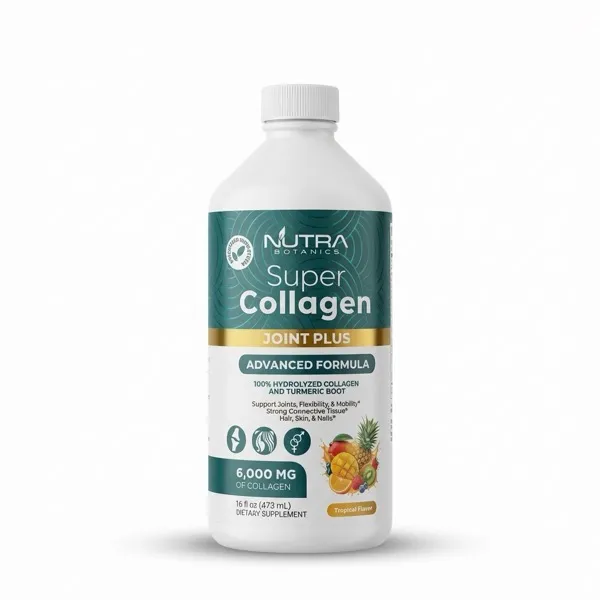
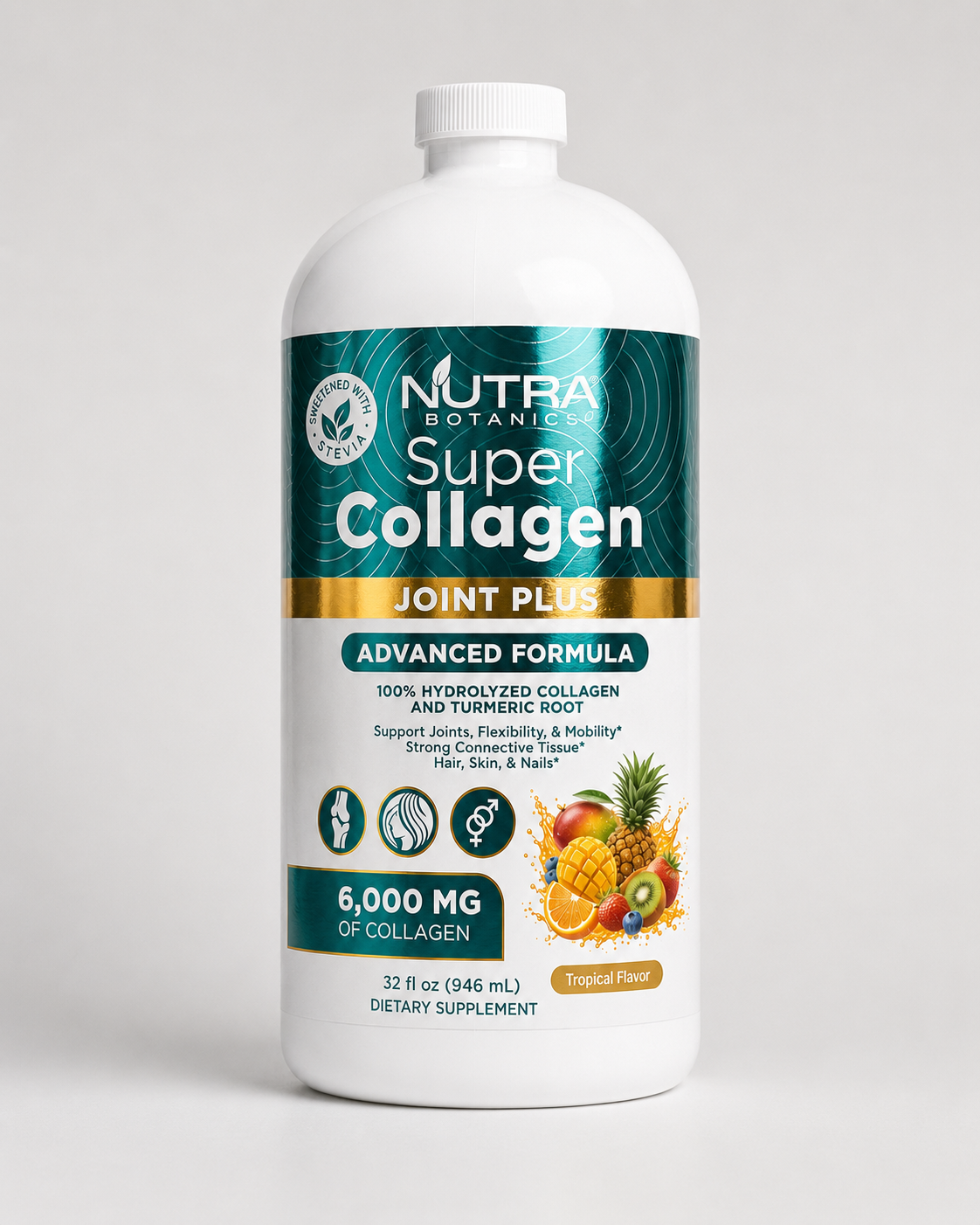
Super Collagen Liquid
Hydrolyzed Peptides · 30 servings
- 6,000mg hydrolyzed collagen peptides per serving
- Liquid format for maximum bioavailability
- Supports hair, nails, skin, and joints
- GMP & NSF certified · PhD-supervised testing
$39.95Free shipping over $75
Shop Super Collagen
Explore All Collagen Products
Browse the Nutra Botanics collagen range
- Multiple formats: liquid peptides, powders, capsules
- Compare serving sizes, sources, and stack partners
- Find the right format for your routine
- GMP & NSF certified · PhD-supervised testing
Shop the rangeSubscribe & save 20%
Browse Collagen