

Related reading: Does Collagen Actually Work? (Research Review), 12 Foods That Boost Collagen Production, How Much Collagen Per Day, Best Time to Take Collagen.
Myth 1: "Your Stomach Just Digests Collagen -- It Can't Possibly Work"
Collagen is a protein, so your stomach acid simply breaks it down into individual amino acids. By the time it reaches your bloodstream, it is no different from eating any other protein. Therefore, collagen supplements cannot have targeted effects on skin, joints, or other tissues.
This is the most persistent collagen myth, and it fundamentally misunderstands how hydrolyzed collagen works. While it is true that digestion breaks down proteins, hydrolyzed collagen peptides are already pre-broken into small di- and tri-peptides (2-3 amino acids linked together). Research shows that these specific peptides, particularly prolyl-hydroxyproline (Pro-Hyp) and hydroxyprolyl-glycine (Hyp-Gly), survive digestion intact and are absorbed into the bloodstream as functional peptide units.
Blood analysis studies have confirmed that these collagen-specific peptides appear in plasma within one hour of ingestion and accumulate in skin and cartilage tissue. Once there, they act as signaling molecules that stimulate fibroblasts and chondrocytes to produce new collagen. This is not theoretical -- it has been demonstrated in multiple human clinical trials with measurable outcomes.

Myth 2: "Collagen Is Just Expensive Protein Powder"
Collagen supplements are just overpriced protein. You could get the same benefits from whey protein, chicken breast, or any other complete protein source for a fraction of the cost.
The Fact: Collagen has a unique amino acid profile that is fundamentally different from other proteins. It contains 10-12% proline, 33% glycine, and significant amounts of hydroxyproline -- an amino acid found almost exclusively in collagen. Whey protein, by comparison, contains virtually no hydroxyproline and much lower levels of glycine and proline. These specific amino acids serve as both building blocks and signaling molecules for collagen synthesis in your body. Research comparing collagen peptides to other protein sources suggests that collagen's unique amino acid profile — particularly its hydroxyproline content — may offer distinct benefits for skin elasticity and joint comfort that general protein sources do not provide to the same degree.
Myth 3: "You Can Get Enough Collagen From Diet Alone"
If you eat a balanced diet with bone broth, chicken skin, and fish, you do not need a collagen supplement. Food sources provide everything your body needs.
The Fact: While traditional diets that included organ meats, bone broths, and connective tissue provided meaningful amounts of collagen, most modern diets are dramatically different. The average person today eats primarily muscle meat, which is low in the specific amino acids collagen provides. Even homemade bone broth varies enormously in collagen content depending on preparation time, temperature, and source. One analysis found that commercial bone broths contained as little as 2-4 grams of collagen per serving, well below the 5-15 grams used in most clinical studies. Supplements provide a standardized, consistent dose that food sources simply cannot guarantee.
Myth 4: "All Collagen Supplements Are the Same"
Collagen is collagen. It does not matter which brand or type you buy -- they all deliver the same results.
The Fact: There are significant differences between collagen products that directly impact their effectiveness. The molecular weight of the peptides matters enormously: smaller peptides (2,000-5,000 daltons) are absorbed far more efficiently than larger ones. The source matters too, with different types of collagen (Type I, II, III) having different tissue targets. Manufacturing quality, third-party testing, and the presence or absence of fillers all affect what you actually absorb. A low-quality collagen supplement with large peptide sizes and no third-party verification may deliver a fraction of the benefits of a properly formulated product.
Myth 5: "Collagen Only Benefits Your Skin"
Collagen is a beauty supplement. It might help with wrinkles, but it has no real benefits for joints, bones, muscles, or overall health.
The Fact: While skin benefits are the most well-known, the clinical evidence for collagen spans far beyond cosmetics. Over 70 clinical studies have demonstrated benefits across multiple body systems. Randomized controlled trials have shown significant reductions in joint pain in athletes and osteoarthritis patients. Studies on postmenopausal women have demonstrated measurable improvements in bone mineral density. Research on sarcopenia (age-related muscle loss) shows that collagen combined with resistance training increases lean muscle mass more than training alone. Emerging research also suggests benefits for gut barrier integrity, cardiovascular health, and wound healing.
Myth 6: "Vegans Can Take Plant-Based Collagen"
There are vegan collagen supplements available, so vegans can get the same benefits as those who take animal-derived collagen.
The Fact: True collagen is an animal protein -- there is no plant that produces collagen. Products marketed as "vegan collagen" or "plant-based collagen" are typically blends of amino acids, vitamin C, and plant extracts designed to support your body's own collagen production. While these ingredients can be helpful, they are not collagen and have not been studied in the same clinical trials that demonstrated collagen peptides' benefits. Some companies are developing lab-grown collagen using genetically modified yeast and bacteria, but these products are not yet widely available. Vegans should understand this distinction when choosing supplements and set expectations accordingly.
Myth 7: "Collagen Works Overnight"
You should see dramatic results from collagen within the first few days of taking it. If you do not notice a difference right away, it is not working.
The Fact: Collagen is not a quick fix -- it works by gradually supporting your body's natural rebuilding processes. Clinical studies show a clear timeline: nail improvements can appear in as little as 4 weeks, skin hydration improvements typically emerge around 4-8 weeks, skin elasticity and wrinkle improvements become measurable at 8-12 weeks, and joint pain reduction generally takes 12-24 weeks of consistent daily supplementation. These timelines reflect the natural turnover rates of different tissues. Skin cells regenerate approximately every 28 days, while cartilage and bone tissue turn over much more slowly. Consistency is far more important than dosage.
Myth 8: "Topical Collagen Creams Are Just as Effective"
You can apply collagen directly to your skin through creams and serums, and it will penetrate and rebuild your collagen levels from the outside in.
The Fact: Collagen molecules, even in hydrolyzed form, are generally too large to penetrate the skin's outer barrier (the stratum corneum) in meaningful quantities. Topical collagen products can act as humectants, drawing moisture to the skin's surface and temporarily improving the appearance of hydration and smoothness. However, they do not increase collagen levels in the deeper dermal layer where structural collagen resides. Oral collagen peptides, by contrast, are absorbed into the bloodstream and delivered to the dermis via blood vessels, where they directly stimulate fibroblasts to produce new collagen, elastin, and hyaluronic acid. The clinical evidence overwhelmingly supports oral supplementation over topical application for structural skin benefits.
"A systematic review and meta-analysis of 19 studies involving 1,125 participants found that oral collagen supplementation significantly improved skin hydration, elasticity, and wrinkle depth compared to placebo. The evidence supports oral collagen peptides as an effective nutraceutical intervention for skin aging, with benefits becoming apparent after 8 weeks of supplementation."
de Miranda et al., International Journal of Dermatology, 2021The Clinical Evidence at a Glance
The body of research on collagen supplements has grown substantially over the past two decades. What was once considered a niche beauty ingredient now has a robust evidence base across multiple medical disciplines. The key takeaway from the research is clear: when you choose a properly formulated hydrolyzed collagen product and take it consistently, the benefits are real and measurable.
Quick Reference: Myth vs Reality
| Myth | Reality |
|---|---|
| Stomach acid destroys collagen | Hydrolyzed peptides survive digestion and are absorbed intact into the bloodstream |
| It is just expensive protein | Collagen has a unique amino acid profile (high glycine, proline, hydroxyproline) not found in other proteins |
| Diet provides enough collagen | Modern diets lack the connective tissue and bone broth that traditional diets provided |
| All collagen products are equal | Molecular weight, source, type, and manufacturing quality vary dramatically between brands |
| Only benefits skin | Proven benefits for joints, bones, muscles, hair, nails, and more |
| Vegan collagen exists | True collagen is animal-derived; "vegan collagen" products are collagen-supporting blends |
| Results happen overnight | Measurable results take 4-24 weeks depending on the tissue and benefit |
| Topical is just as good | Oral collagen reaches the dermis via bloodstream; topical cannot penetrate deeply enough |
*These statements have not been evaluated by the Food and Drug Administration. This product is not intended to diagnose, treat, cure, or prevent any disease. Individual results may vary.
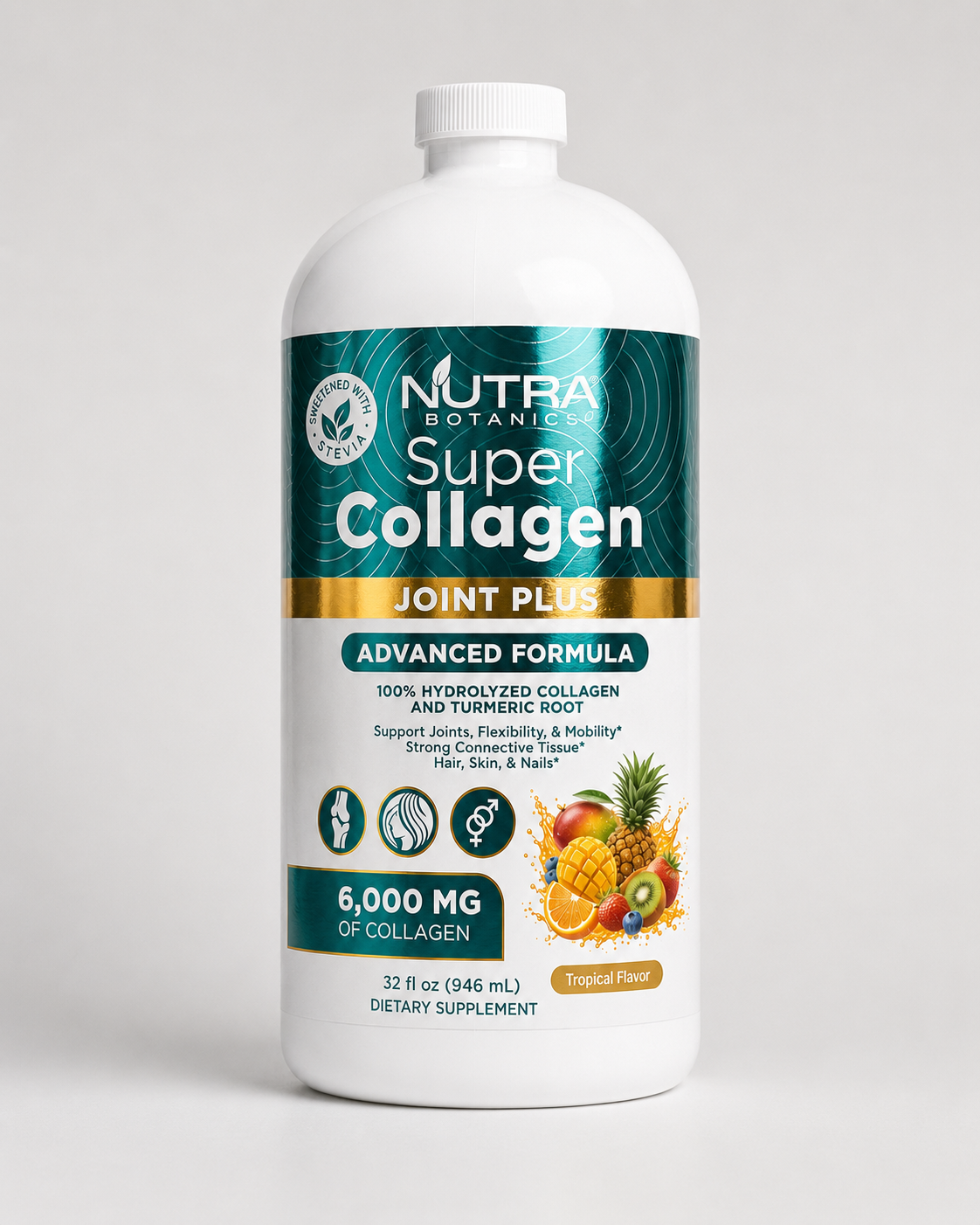
The science on collagen supplements is clear: they work, but not the way most myths suggest. Hydrolyzed collagen peptides survive digestion, reach target tissues through your bloodstream, and stimulate your body to produce new collagen. The benefits extend far beyond skin to include joints, bones, muscles, hair, and nails. However, results require patience, consistency, and a quality product. Choose a properly hydrolyzed, third-party tested supplement, take it daily, and give it 4-12 weeks to deliver measurable improvements.
Experience the Real Science of Collagen
Our premium collagen supplements are backed by research, made with PhD-supervised testing, and formulated for real results you can measure.
Shop Collagen NowDoes the collagen you eat go directly to your skin?
Not directly — the body determines how to distribute absorbed amino acids and peptides. However, research shows that specific collagen-derived dipeptides do reach the skin and stimulate fibroblasts — the cells that produce collagen, elastin, and hyaluronic acid. Clinical trials have confirmed this by measuring actual skin improvements in randomized controlled studies.*
Can you get the same results from collagen-boosting foods as from supplements?
Food provides the same amino acids as supplements but in much lower concentrations. To consistently reach 10–15g per day of collagen peptides through food alone would require drinking 5+ cups of bone broth daily. Supplements provide a practical, concentrated way to hit therapeutic doses consistently without changing your entire diet.*
Is expensive collagen always better than affordable collagen?
Price is not a reliable indicator of quality. The factors that determine effectiveness are: whether it is hydrolyzed, the collagen source (bovine Type I and III or marine Type I), the dose per serving (aim for 10–15g), and third-party testing for purity. A moderately priced product meeting these criteria can outperform a premium-priced product with a lower dose.*
Does collagen make you gain weight?
Collagen does not cause fat gain. It is a protein with approximately 35–40 calories per 10g serving. Some people notice a very small increase in scale weight when starting collagen due to increased protein intake and water retention in newly supported tissues, but this is not fat. High-protein diets including collagen are often associated with better body composition over time.*
Is collagen only for women?
Collagen is beneficial for both men and women. Men also experience collagen decline with age, leading to joint discomfort, reduced skin firmness, and slower recovery from exercise. Clinical trials on collagen have included both men and women with consistent benefits across sexes. Joint health, athletic recovery, and gut support are especially relevant benefits for active men.*
Experience the Real Science of Collagen
Our premium collagen supplements are backed by research, made with PhD-supervised testing, and formulated for real results you can measure.
Shop Collagen NowFrequently Asked Questions
Is it true that collagen supplements can't be absorbed by the body?
Does the collagen you eat go directly to your skin?
Can you get the same results from collagen-boosting foods as from supplements?
Is expensive collagen always better than affordable collagen?
Does collagen make you gain weight?
Is collagen only for women?
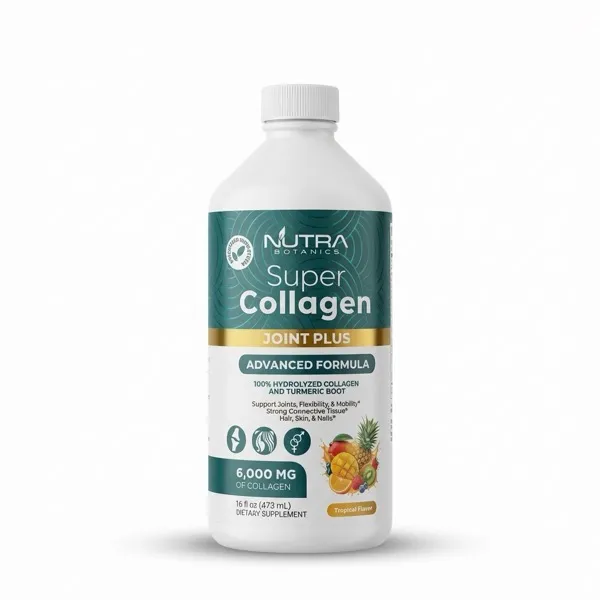
Super Collagen Liquid
Hydrolyzed Peptides · 30 servings
- 6,000mg hydrolyzed collagen peptides per serving
- Liquid format for maximum bioavailability
- Supports hair, nails, skin, and joints
- GMP & NSF certified · PhD-supervised testing
$39.95Free shipping over $75
Shop Super Collagen
Explore All Collagen Products
Browse the Nutra Botanics collagen range
- Multiple formats: liquid peptides, powders, capsules
- Compare serving sizes, sources, and stack partners
- Find the right format for your routine
- GMP & NSF certified · PhD-supervised testing
Shop the rangeSubscribe & save 20%
Browse Collagen