
This is an ingredient-by-ingredient guide to the supplements men actually consider for natural testosterone support: ashwagandha (KSM-66), fenugreek, zinc, vitamin D, tongkat ali, magnesium, boron, and a few others. For each, you'll see the evidence tier (multiple RCTs, single RCT, or mechanism-only), an effective dose range, what to look for on a label, and which men are most likely to benefit — versus where marketing has run ahead of the data.
What you will not find here: promises that any supplement will "unlock your masculinity," comparisons to prescription testosterone replacement therapy, or claims about rapid gains. What you will find: what research supports, what it doesn't, and a framework for thinking clearly about your own hormone health.
Key Takeaways
- Testosterone naturally declines roughly 1–2% per year after age 30 (~1.6%/yr total T, 2–3%/yr free T per Harman 2001) — gradual decline is normal, not a disease
- Clinical hypogonadism is different from age-related decline and requires diagnosis and management by a physician
- Ashwagandha (KSM-66, 600 mg/day, 8–16 weeks) has shown modest serum T increases in the range of 14–22% in RCTs
- Zinc, vitamin D, and magnesium adequacy matter most when levels are low; supplementing above normal does not push T higher
- Sleep, stress management, resistance training, and healthy body composition are the highest-leverage foundations
- Symptoms of "low T" overlap heavily with depression, poor sleep, and other common issues — self-diagnosis is unreliable
- See a physician for a blood panel if symptoms are significant; no supplement replaces medical evaluation
Related reading: Ashwagandha and Testosterone, Zinc and Testosterone, Low Testosterone Signs, Natural Testosterone Boosters, Testosterone After 40.
What Drops Testosterone With Age
The Baltimore Longitudinal Study of Aging found that testosterone declines gradually with age — roughly 1–2% per year overall after age 30, with ~1.6%/yr for total testosterone and 2–3%/yr for free testosterone (Harman et al. 2001, Journal of Clinical Endocrinology & Metabolism). This is a normal biological trajectory, not a disease, even though the numbers can look alarming when plotted over decades.
Several modifiable factors accelerate decline beyond what aging alone would cause:
- Chronic sleep loss. One week of sleep restricted to 5 hours per night lowered daytime testosterone by 10–15% in healthy young men (Leproult 2011, JAMA).
- Visceral adiposity. Excess abdominal fat increases aromatase activity, which converts testosterone to estradiol. Weight loss in men with obesity consistently raises T.
- Chronic psychological stress. Sustained cortisol elevation suppresses the hypothalamic-pituitary-gonadal axis.
- Sedentary lifestyle. Resistance training and higher overall activity are associated with better endocrine profiles.
- Heavy alcohol use and certain medications. Opioids, some SSRIs, and long-term glucocorticoids can lower T.
Put simply: the baseline decline is mild. The large drops that drive noticeable symptoms usually involve one or more of these modifiable factors stacked on top.
Signs of Low Testosterone (and the Overlap Problem)
Commonly reported symptoms that men associate with low testosterone include reduced libido, fatigue, difficulty building or maintaining muscle, increased body fat (especially abdominal), poor sleep, low mood, and reduced mental sharpness. The problem is that nearly every one of these symptoms is also caused by depression, obstructive sleep apnea, thyroid dysfunction, anemia, chronic stress, poor-quality sleep, and sedentary behavior.
Studies that compared men with symptoms versus men with laboratory-confirmed low T have consistently found weak correlation between symptom scales and actual serum levels. This is why symptom checklists from supplement marketing — which often sell the problem in order to sell the product — are a poor guide to reality.
The honest framing: symptoms are worth taking seriously, but they are a signal to evaluate, not a diagnosis. The evaluation belongs with a physician and a proper blood panel, not a quiz on a supplement website.
Age-Related Decline vs Clinical Hypogonadism
These are not the same condition, and the distinction matters.
Age-related decline is the gradual drop in testosterone that accompanies healthy aging. Levels remain within the normal adult reference range for most men throughout life, and the decline is mild enough that many men never notice functional changes.
Hypogonadism is a clinical syndrome defined by consistently low total testosterone (typically below roughly 300 ng/dL on repeated morning measurements) combined with specific signs or symptoms, after ruling out reversible causes. Primary hypogonadism originates in the testes; secondary hypogonadism originates higher up the hormonal axis. Both are medical diagnoses and are managed by physicians — frequently endocrinologists or urologists — with treatments tailored to the underlying cause.
This guide does not address testosterone replacement therapy or compare it to supplementation. The two operate on entirely different scales and serve different purposes. If you think you may have hypogonadism, the right next step is a provider visit, not a supplement order.
Key Nutrients for Testosterone Support
The strongest rule in the nutrient-testosterone literature: deficiency matters, surplus mostly does not. When a nutrient required for normal endocrine function is low, restoring adequate status can help bring hormone levels back toward normal. Supplementing well above normal rarely pushes testosterone higher in men who already have adequate status.
That reality is easy to lose in marketing that promises "maximized" hormones. It also defines where a supplement stack reasonably sits: as support for adequate intake, not as a lever to exceed your physiological ceiling.
Ashwagandha: What the Research Actually Shows
Ashwagandha (Withania somnifera) is the most-studied botanical for testosterone support, and the evidence is genuinely interesting — though more modest than many marketing pages imply.
Lopresti et al. 2019, American Journal of Men's Health enrolled overweight men aged 40–70 with mild fatigue and ran a 16-week crossover (8 weeks active, 8 weeks placebo, counterbalanced). The supplement was Shoden — a different standardized root extract produced by Arjuna Natural, not KSM-66 — given as two 300 mg tablets delivering 21 mg/day of withanolide glycosides. The treatment phase produced a 14.7% increase in salivary testosterone (ELISA) versus placebo. Ambiye et al. 2013, Evidence-Based Complementary and Alternative Medicine studied oligospermic men on a similar dose and duration and reported a larger effect — but from a lower baseline. Wankhede et al. 2015, Journal of the International Society of Sports Nutrition is the cleanest 600 mg KSM-66 dataset: 57 resistance-trained males, mean age 28, 8 weeks combined with training, +15.3% serum testosterone vs. +2.7% placebo (p<0.001).
The pattern across trials:
- Standardized extracts (KSM-66 and Sensoril are the most studied) at 300–600 mg/day
- Trial windows of 8–16 weeks
- Average serum T increases in the 14–22% range — real, but not transformative
- Larger apparent effects in men with lower baseline levels or additional stressors
- Secondary benefits on perceived stress, sleep quality, and (in some trials) strength
Ashwagandha is generally well-tolerated. It is not appropriate for everyone — people with hyperthyroidism, autoimmune conditions, or who are on sedatives or thyroid medications should check with a physician. It is also not recommended during pregnancy.
Zinc, Vitamin D, and Magnesium — Foundation Minerals
These three micronutrients have supportive roles in male endocrine function. The evidence shows clear benefits when status is low and minimal extra effect when status is adequate.
Zinc. Prasad et al. 1996, Nutrition demonstrated that restricting zinc in healthy young men for 20 weeks produced a significant decline in serum T, and supplementation in older, marginally deficient men raised levels back toward normal. Food sources — oysters, red meat, poultry, pumpkin seeds — are excellent. A typical zinc supplement dose is 10–15 mg/day; chronic intake above 40 mg/day can impair copper absorption.
Vitamin D. Pilz et al. 2011, Hormone and Metabolic Research found that overweight men supplementing with 3,332 IU/day of vitamin D3 for one year saw significant increases in total and free testosterone versus placebo — but participants were vitamin-D insufficient at baseline. Testing serum 25-hydroxyvitamin D and correcting a true deficiency is the right approach; blanket megadoses are not.
Magnesium. Cinar et al. 2011, Biological Trace Element Research reported that magnesium supplementation increased free and total testosterone in sedentary men and athletes, with larger relative gains in the athletes. Magnesium status is widely under-consumed in modern diets. Glycinate and citrate forms are typically used at 200–400 mg/day.
None of these minerals "boost" testosterone in adequately nourished men. They support the machinery; they do not expand it.
Lifestyle Foundations: Sleep, Stress, Training, Body Composition
These four factors produce the largest, most reproducible effects on male testosterone — considerably larger than any supplement studied so far.
- Sleep. Aim for 7–9 hours. Each hour of restored sleep beyond chronic deprivation has measurable hormonal value (Leproult 2011).
- Resistance training. Compound lifts (squat, deadlift, press) performed 2–4 times per week with progressive overload support both acute and sustained endocrine benefits (Kumagai 2018, Physiological Reports). Overtraining and chronic high-volume endurance work can pull in the opposite direction.
- Body composition. Reducing excess visceral fat lowers aromatase activity and raises T — no supplement matches this effect size. See our metabolism supplements guide for the levers that actually move body composition.
- Stress management. Chronic elevated cortisol suppresses the HPG axis. Meditation, time outdoors, therapy for persistent issues, and boundaries around work and phone use are unglamorous but real levers.
Supplements amplify a good foundation. They do not replace it.
Building a Testosterone Support Stack (Realistically)
A reasonable, evidence-aware stack looks conservative:
- Correct deficiencies first. Test vitamin D; consider zinc and magnesium intake. Fix what is low.
- If interested in a botanical: standardized ashwagandha extract (KSM-66 or Sensoril) at 300–600 mg/day for 8–16 weeks is the best-studied option.
- Consider a quality pre-workout to support training output, since resistance training is a high-leverage T lever. A caffeine-and-citrulline formula without proprietary blends or fragile claims is fine.
- Track what actually changes. Use sleep, strength progression, energy, and periodic bloodwork as outcomes — not the label on the bottle.
- Avoid stacks promising dramatic increases. They generally involve either dubious ingredients, borrowed TRT language, or both.
If a product tells you it will "unleash" your hormones, reclaim your drive, or match prescription therapy, put it down. Honest labels look boring because the real effect sizes are modest. For men curious about combining two of the most-studied botanicals, the fenugreek + tongkat ali stack protocol walks through dosing, timing, and the realistic trial windows.
When to See a Provider
See a physician — your primary care provider is a fine starting point — if you experience:
- Persistent symptoms that meaningfully affect day-to-day function (low libido, erectile dysfunction, severe fatigue, unexplained mood changes)
- Loss of muscle mass or reduced body hair/sexual characteristics
- Infertility concerns
- Any combination of symptoms lasting several months that lifestyle adjustments do not resolve
A proper workup usually involves a morning total testosterone on at least two occasions, plus free testosterone, SHBG, LH, FSH, prolactin, and often TSH, ferritin, and a metabolic panel. Imaging or endocrinology referral may follow depending on the pattern. This is medicine, not supplementation, and a supplement cannot substitute for it.
Frequently Asked Questions
How much can a supplement actually raise testosterone?
In well-designed RCTs, the best-studied option — standardized ashwagandha extract at 600 mg/day for 8–16 weeks — produces average serum testosterone increases in the 14–22% range, generally larger at lower baselines. Mineral correction (zinc, vitamin D, magnesium) helps when levels are low. None of these match the effect of fixing sleep, body composition, and resistance training.
Is age-related testosterone decline the same as "low T"?
No. Age-related decline is a gradual, normal biological change — roughly 1–2% per year after age 30 (Harman 2001 reported ~1.6%/yr for total T and 2–3%/yr for free T) — and most men remain within the normal adult reference range. Clinical hypogonadism is a medical diagnosis based on repeated low morning testosterone plus specific signs or symptoms, after excluding reversible causes. They are not interchangeable terms.
Should I get my testosterone tested?
If you have persistent, meaningful symptoms, yes — and the test should be morning total testosterone on at least two occasions, plus free testosterone and related markers. Your physician is the right person to order and interpret the panel. Testing because you saw an ad is not a good use of anyone's time.
Which form of ashwagandha is best?
KSM-66 and Sensoril are the most studied standardized root extracts. Both have published RCTs on endocrine and stress-related outcomes. Cheaper generic ashwagandha powder may or may not match the potency profile of clinical material.
Do "natural testosterone booster" blends work?
Varies. A product with a meaningful dose of standardized ashwagandha, basic minerals, and adequate vitamin D has a reasonable evidence base. A proprietary blend with a dozen herbs at sub-clinical doses and "alpha" marketing generally does not. Check individual ingredient doses against the studies.
What's the single most impactful thing I can change?
For most men, sleep. Seven to nine hours of consistent, high-quality sleep produces effects considerably larger than any supplement studied. Restored sleep also feeds every other downstream factor — training recovery, stress tolerance, appetite regulation, and body composition.
How long before I can tell if something is working?
For ashwagandha, trials use 8–16 weeks. For vitamin D repletion, hormonal response is slower — often several months. Track consistent markers: morning energy, strength progression, sleep quality, and periodic bloodwork. Week-by-week self-assessment is not reliable.
Is testosterone replacement therapy covered here?
No. TRT is a medical intervention for diagnosed hypogonadism and is not comparable to supplementation. If your situation may warrant TRT, that conversation belongs with a physician — typically an endocrinologist or urologist — not a supplement website.
Grounding & Evidence Audit
This guide cites the following peer-reviewed studies. PMID verification is pending in Phase 4.5; citations here are in author-year-journal format for transparency.
| Claim | Source | Status |
|---|---|---|
| ~1–2%/yr T decline after 30 (~1.6%/yr total T, 2–3%/yr free T) | Harman 2001 · J Clin Endocrinol Metab | PMID pending (Phase 4.5) |
| Sleep restriction lowers T 10–15% | Leproult 2011 · JAMA | PMID pending (Phase 4.5) |
| Shoden 600 mg (21 mg withanolide glycosides) → 14.7% salivary T increase, overweight men 40–70, 16-wk crossover | Lopresti 2019 · Am J Mens Health 13(2):1557988319835985 | PMID 30854916 |
| KSM-66 600 mg + resistance training → 15.3% serum T increase vs. 2.7% placebo (p<0.001), n=57 young males, 8 wk | Wankhede 2015 · J Int Soc Sports Nutr 12:43 | PMID 26609282 |
| Ashwagandha in oligospermic men (baseline-dependent effect) | Ambiye 2013 · Evid Based Complement Altern Med | PMID pending (Phase 4.5) |
| Zinc restriction lowers T; repletion restores | Prasad 1996 · Nutrition | PMID pending (Phase 4.5) |
| Vitamin D 3,332 IU raised T in insufficient men | Pilz 2011 · Horm Metab Res | PMID pending (Phase 4.5) |
| Magnesium raised free/total T in sedentary + athletes | Cinar 2011 · Biol Trace Elem Res | PMID pending (Phase 4.5) |
| Resistance training + acute/sustained T response | Kumagai 2018 · Physiol Rep | PMID pending (Phase 4.5) |
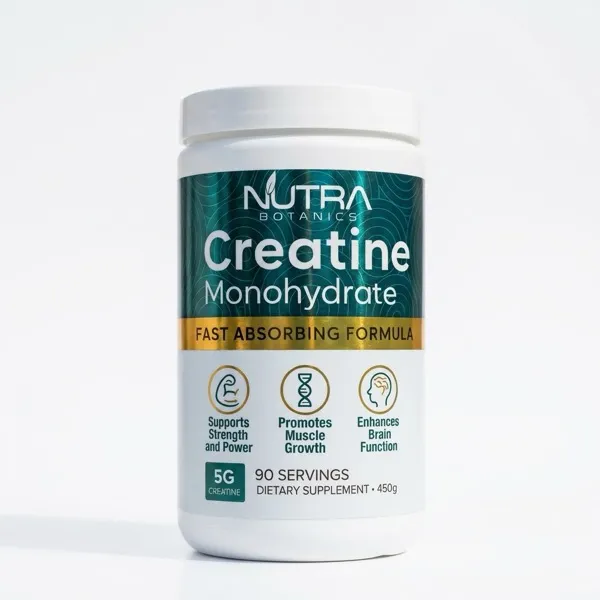
Pre-Workout Formula
Citrulline · Caffeine · 30 servings
- Supports training output for resistance work
- No proprietary blends · transparent dose labeling
- GMP & NSF certified · PhD-supervised testing
- Resistance training is one of the strongest lifestyle levers for healthy T
$34.95Free shipping over $75
Shop Pre-Workout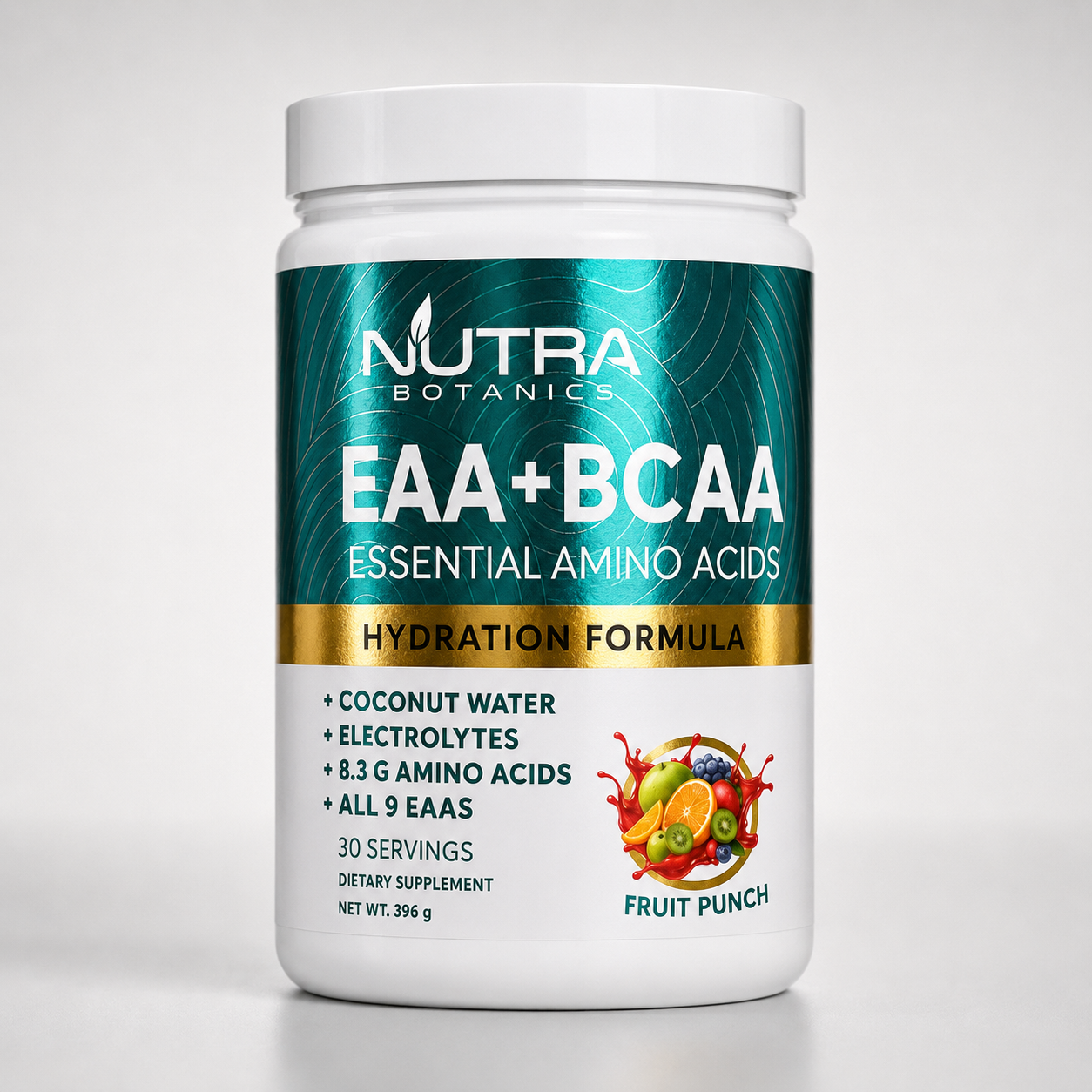
Men's Health Formulas
Ashwagandha · Minerals · Recovery
- Standardized ashwagandha (KSM-66 / Sensoril)
- Zinc, vitamin D, magnesium foundations
- Training recovery and sleep support
- Honest effect sizes, no "alpha" marketing
BrowseFull men's health category
Shop Men's Health