

Related reading: Does Collagen Actually Work? (Research Review), 12 Foods That Boost Collagen Production, How Much Collagen Per Day, Marine vs Bovine Collagen.
Does Timing Actually Matter?
Yes, timing matters, but perhaps not as much as you think. The research is clear that hydrolyzed collagen peptides are well-absorbed regardless of when you take them. Studies using radiolabeled collagen peptides show that bioactive dipeptides and tripeptides appear in the bloodstream within 30 minutes of ingestion and reach peak concentrations at one to two hours, whether taken in the morning, afternoon, or evening.
That said, certain factors can influence how efficiently your body absorbs and utilizes those collagen peptides. Stomach acid levels, the presence of other foods, your hormonal state, and what you combine collagen with all play a role. Understanding these factors allows you to optimize your results without overthinking the process.
The Case for Taking Collagen in the Morning
Taking collagen first thing in the morning, ideally 30 to 60 minutes before breakfast, has strong practical and physiological advantages. After an overnight fast of eight to twelve hours, your stomach is empty and acid levels are naturally elevated. This environment is ideal for breaking down collagen peptides quickly and efficiently, allowing for rapid absorption with minimal competition from other proteins or nutrients.
Morning dosing also establishes a consistent habit. Tying your collagen to an existing morning routine, whether that is making coffee, brushing your teeth, or preparing breakfast, makes it far less likely you will forget. Research on supplement adherence consistently shows that habits linked to existing routines have significantly higher long-term compliance rates.
For people focused on skin health, morning collagen provides amino acids that circulate during the hours when your skin is exposed to environmental stressors like UV light and pollution. These amino acids support the repair processes that counteract daily damage.
The Case for Taking Collagen at Night
There is a compelling argument for evening collagen as well. During deep sleep, your body enters its most active repair and regeneration phase. Growth hormone, which peaks during the first few hours of sleep, stimulates collagen synthesis throughout the body. By taking collagen before bed, you ensure that collagen-derived amino acids are available in the bloodstream precisely when your body's repair machinery is running at full capacity.
The glycine in collagen also has documented sleep-promoting properties. Research published in the Journal of Pharmacological Sciences found that 3 grams of glycine before bed improved subjective sleep quality, reduced daytime fatigue, and improved next-day cognitive performance. A standard 10-gram collagen serving provides approximately 3.3 grams of glycine, making it a natural sleep support supplement.
For people focused on joint repair, muscle recovery, or gut healing, nighttime dosing aligns collagen availability with the body's natural repair cycle, potentially enhancing therapeutic outcomes.
With Food or On an Empty Stomach?
Most experts recommend taking collagen on an empty stomach for optimal absorption. When you take collagen alongside a meal, particularly one high in protein, the collagen peptides must compete with other amino acids for absorption through intestinal transporters. This does not eliminate absorption, but it may reduce the bioavailability of collagen-specific peptides like prolyl-hydroxyproline and hydroxyprolyl-glycine that have been shown to accumulate in target tissues.
However, if taking collagen on an empty stomach causes any digestive discomfort, or if you simply cannot fit it into your routine without food, taking it with a meal is absolutely fine. The difference in absorption is modest, and consistent daily intake with meals is far more effective than sporadic empty-stomach dosing.
What Experts Recommend
The plurality of experts favor morning empty-stomach dosing for its combination of absorption efficiency and habit formation. However, the 20 percent who recommend bedtime dosing make a strong case for people whose primary goals are joint repair, muscle recovery, or sleep quality improvement.
| Factor | Morning (Empty Stomach) | Night (Before Bed) | With Meals |
|---|---|---|---|
| Pros | Best absorption, easy habit, supports daytime skin repair | Aligns with growth hormone peak, glycine aids sleep, supports overnight repair | Most convenient, good compliance, no GI discomfort |
| Cons | Requires waiting before eating, may not suit all schedules | Some people forget evening supplements, slightly delayed absorption | Lower absorption due to protein competition |
| Best For | Skin health, general wellness, gut health | Joint repair, muscle recovery, sleep quality | People with sensitive stomachs, busy schedules |
| Absorption Rate | Highest | High | Moderate |
How Your Circadian Rhythm Affects Collagen
Your body does not produce collagen at a constant rate throughout the day. Research has revealed that collagen synthesis follows a circadian pattern, with production rates varying based on your body's internal clock.
Growth hormone, one of the most powerful stimulators of collagen synthesis, peaks during the first two hours of deep sleep, typically between 10 PM and midnight. This surge triggers fibroblasts in the skin, chondrocytes in cartilage, and tenocytes in tendons to ramp up collagen production.
Cortisol, which inhibits collagen synthesis, peaks in the early morning hours around 6-8 AM and declines throughout the day. This means your body's collagen-building capacity naturally increases as the day progresses and reaches its peak during sleep.
However, the practical advantage over morning dosing appears to be modest based on current evidence.
This circadian biology provides theoretical support for evening collagen supplementation, ensuring amino acid availability during the body's peak synthesis window.
What to Take with Collagen to Boost Absorption
What you combine with collagen can significantly impact how well your body uses it. Follow these evidence-based tips to get the most from every serving:
Add Vitamin C: Vitamin C is a required cofactor for collagen synthesis. Without adequate vitamin C, your body cannot properly cross-link collagen fibers, regardless of how much collagen you consume. Studies show that vitamin C can increase collagen synthesis by up to eight times. Squeeze lemon juice into your collagen drink, or take a vitamin C supplement alongside your collagen.
Avoid Calcium at the Same Time: High-dose calcium supplements can compete with collagen peptides for absorption. If you take calcium, separate it from your collagen dose by at least two hours for optimal results.
Stay Hydrated: Collagen requires water to form its characteristic triple-helix structure. Drink your collagen with at least 8 ounces of water to support proper hydration of collagen fibers in your tissues.
Consider Hyaluronic Acid: Hyaluronic acid works synergistically with collagen, particularly for skin hydration and joint lubrication. Many premium collagen formulas include this complementary ingredient.
"The timing of collagen peptide ingestion relative to meals, exercise, and sleep may modulate bioavailability and tissue-specific accumulation. However, daily consistency of intake remains the strongest predictor of clinical outcomes across skin, joint, and gut health endpoints."
Nutrients, 2025 Systematic ReviewYour Ideal Morning vs Evening Routine
Whether you choose morning or evening, having a structured routine ensures consistency. Here are two optimized protocols based on the latest research.
Ideal Morning Collagen Routine
Ideal Evening Collagen Routine

The Bottom Line
Both morning and evening collagen supplementation are effective. The best time to take collagen is the time you will actually do it consistently. If you are an early riser with a predictable morning routine, taking collagen on an empty stomach before breakfast gives you a slight absorption edge and excellent habit reinforcement. If you are someone who struggles with morning routines but winds down predictably each evening, nighttime dosing aligns beautifully with your body's natural repair cycle and the sleep-promoting benefits of glycine.
What genuinely matters is that you take your collagen every single day, at the same time, for at least eight to twelve weeks. The clinical benefits of collagen, whether for skin, joints, gut, or general wellness, are cumulative and require sustained daily intake to materialize. A perfect timing strategy that you follow inconsistently will always lose to a good-enough strategy that you follow religiously.
*These statements have not been evaluated by the Food and Drug Administration. This product is not intended to diagnose, treat, cure, or prevent any disease. Individual results may vary.
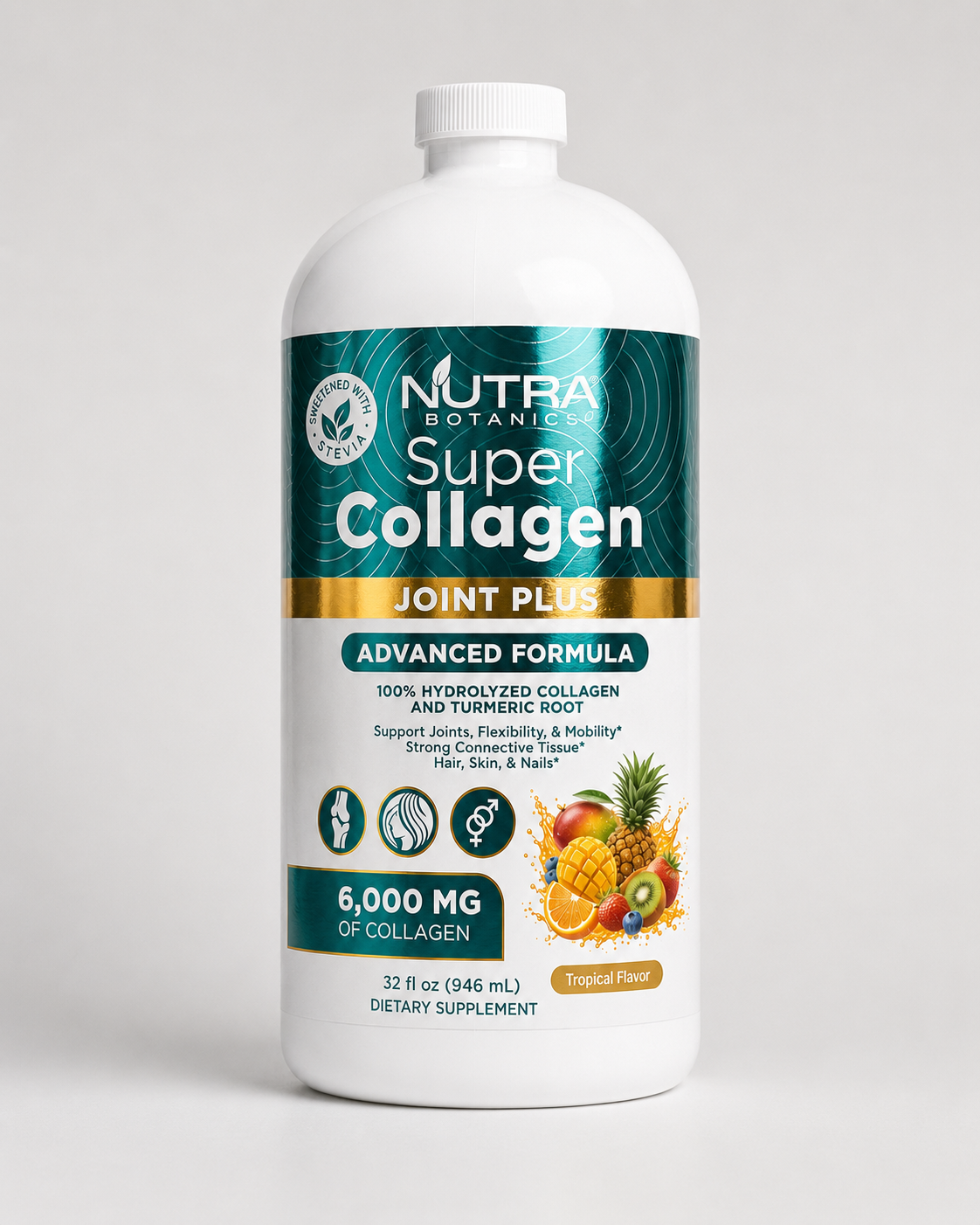
The best time to take collagen depends on your goals and lifestyle. For maximum absorption, take it on an empty stomach 30-60 minutes before food. Morning works best for skin health and habit formation. Evening aligns with your body's peak repair cycle and offers glycine's sleep benefits. Always pair collagen with vitamin C and separate it from calcium supplements. Above all, consistency trumps timing: daily intake at any time beats sporadic perfect-timing doses.
Start Your Collagen Routine Today
Whether you choose morning or night, our premium liquid collagen makes daily supplementation effortless. Third-party tested, GMP-certified, and formulated with research-informed ingredients.
Shop CollagenFrequently Asked Questions
Does it matter what time of day I take collagen?
Should I take collagen with food or on an empty stomach?
Is collagen better pre- or post-workout for joints?
Can I take collagen at night before bed?
How long before I see results from consistent daily use?
Does the timing rule change if I take collagen twice a day?
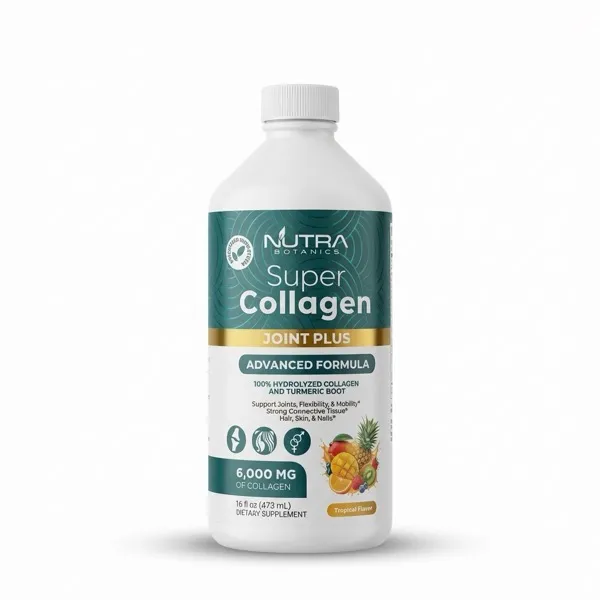
Super Collagen Liquid
Hydrolyzed Peptides · 30 servings
- 6,000mg hydrolyzed collagen peptides per serving
- Liquid format for maximum bioavailability
- Supports hair, nails, skin, and joints
- GMP & NSF certified · PhD-supervised testing
$39.95Free shipping over $75
Shop Super Collagen
Explore All Collagen Products
Browse the Nutra Botanics collagen range
- Multiple formats: liquid peptides, powders, capsules
- Compare serving sizes, sources, and stack partners
- Find the right format for your routine
- GMP & NSF certified · PhD-supervised testing
Shop the rangeSubscribe & save 20%
Browse Collagen