If you've decided to take creatine, the practical questions are dose, timing, loading, and stacking. This guide walks through the standard 5g/day maintenance dose, when (or whether) a 5–7 day loading phase makes sense, why monohydrate beats fancier forms on cost-per-effect, how to time it around training, what to stack it with (and what not to), and the small set of side effects worth knowing.
The companion articles linked throughout go deeper on specific protocols, populations, and questions. Use this pillar as the map; use the linked pieces when you need detail.
Key Takeaways
- Creatine is a naturally occurring compound stored primarily in skeletal muscle, where it fuels short, high-intensity efforts via the phosphocreatine/ATP system.
- Creatine monohydrate is the most researched, most affordable, and most effective form — newer forms like HCL and ethyl ester do not outperform it in head-to-head studies.
- A standard dose of 3–5g per day reaches full muscle saturation in 3–4 weeks without loading. A 5–7 day loading phase speeds saturation but is optional.
- Research supports benefits for strength, lean mass, working memory, fatigue resistance, bone density (with resistance training), and healthy aging.
- Creatine has one of the strongest long-term safety profiles of any supplement. Myths about hair loss, kidney damage, and bloating are not supported by the bulk of human research.
Start here: Creatine for Beginners, How to Take Creatine, Monohydrate vs HCL, Loading Phase Explained.
Research-Supported Benefits
Creatine’s evidence base spans several distinct domains. Here’s what the research supports, framed at the appropriate confidence level.
Strength and lean mass
The most replicated finding. Meta-analyses consistently show that creatine supplementation combined with resistance training produces greater gains in strength and lean body mass than resistance training alone. The effect is reliable across age groups, both sexes, and novice-to-advanced training backgrounds. Magnitude: roughly 5–15% greater strength gains and 1–2 kg more lean mass over 4–12 weeks of training.
Power output and repeated-effort capacity
Creatine improves performance in efforts lasting up to about 30 seconds — sprints, jumps, heavy sets, interval work. The benefit decreases as effort duration extends beyond the phosphocreatine system’s capacity (roughly 10 seconds of all-out effort), though creatine for endurance athletes still has indirect upside through repeated-interval recovery and resistance-training quality.
Cognitive function
Multiple RCTs (Rae et al. 2003, Proc Biol Sci) show improvements in working memory, reasoning, and processing speed with creatine supplementation. Effects are most pronounced under cognitive load (sleep deprivation, demanding mental tasks) and in populations with lower baseline creatine (vegetarians, older adults). See our companion piece on creatine and brain health for the specific study landscape.
Bone density (with resistance training)
Creatine paired with resistance training has shown small but consistent improvements in bone mineral density markers in older adults, particularly postmenopausal women. Creatine alone — without training — does not appear to drive this effect. The likely mechanism is improved training quality, which drives the mechanical loading that stimulates bone adaptation. For more on the post-40 creatine benefits for women — including lean-mass preservation through perimenopause — see our dedicated breakdown.
Healthy aging and sarcopenia support
As adults age, muscle mass declines and recovery slows. Creatine has shown particular relevance in this population: improving lean mass preservation, grip strength, and functional movement when combined with resistance training. See creatine over 50 for a deeper look at the aging-specific evidence.
Mood and mental fatigue
Emerging research suggests creatine may support mood regulation, particularly as an adjunct to antidepressant therapy. This is an active area of study, not settled science. We frame it as “promising, preliminary” rather than established.
Forms of Creatine Compared
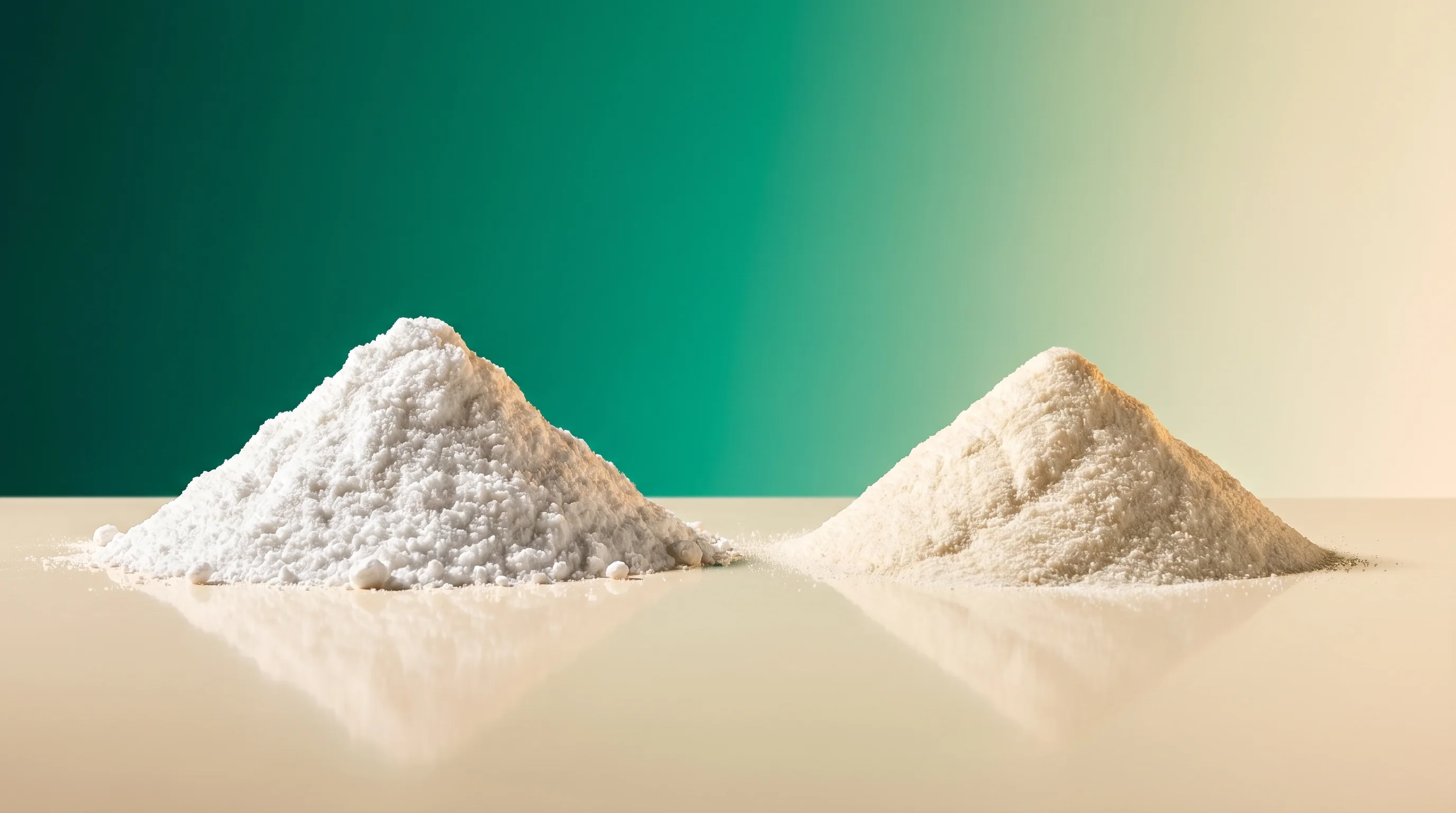
The supplement industry has introduced dozens of creatine variants over the years — creatine HCL, ethyl ester, buffered creatine (Kre-Alkalyn), magnesium chelate, citrate, malate, nitrate, liquid creatine. Each has been marketed with claims of superior absorption, fewer side effects, or better results. The research, taken as a whole, does not support these claims.
Creatine monohydrate remains the reference standard because:
- It has the most extensive safety and efficacy research (Kreider et al. 2017, ISSN position stand) — hundreds of RCTs over three decades.
- Head-to-head studies against alternative forms (HCL, ethyl ester, buffered) consistently show equivalent or superior outcomes for monohydrate.
- It is the cheapest form per effective dose — often by a factor of 2–4x.
- Micronized monohydrate mixes cleanly in water or any liquid, addressing the grittiness complaint that drove interest in alternative forms.
The alternative forms are not dangerous — they are simply unnecessary. Paying a premium for HCL, ethyl ester, or “advanced” blends does not produce better outcomes. See creatine monohydrate vs HCL for the detailed head-to-head breakdown.
How to Take Creatine: Dose & Timing
Creatine protocol is simpler than most supplements. The two decisions are: whether to load and when to take your daily dose.
Creatine Standard Protocol
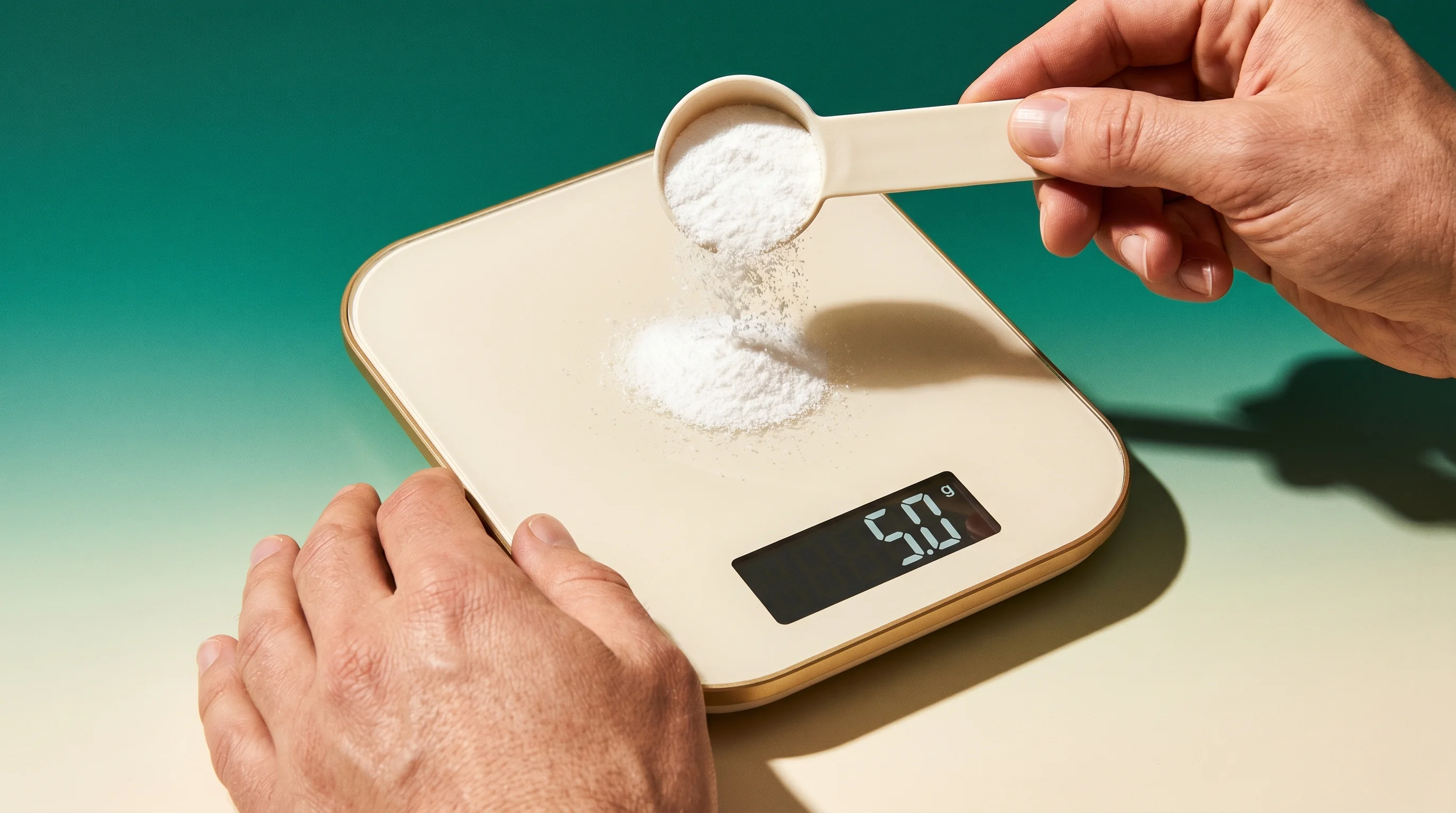
Daily dose: 3–5g of creatine monohydrate, taken daily. Most adults do well at 5g.
Loading phase (optional): 20g/day split into 4 servings for 5–7 days, then drop to the standard 3–5g daily dose. Reaches muscle saturation roughly 2–3 weeks faster than skipping loading.
Non-loading approach: 3–5g daily from day one. Reaches full saturation in 3–4 weeks. Same endpoint as loading, just slower to get there.
Timing: Any time of day. Consistency matters more than precise timing. Some evidence suggests post-workout on training days may offer a small edge.
With food: Taking creatine with a meal containing carbs and protein may slightly improve uptake. Not essential, but a nice-to-have.
Hydration: Drink adequate water. Creatine pulls water into muscle cells; mild dehydration reduces the benefit.
Cycling off: Not necessary. Long-term daily use is safe and effective. Cycling provides no documented benefit.
For the deeper dives: how to take creatine walks through the protocol in full; when to take creatine covers the timing debate; loading phase explained walks through the tradeoffs on whether to load at all.
Timeline: What to Expect
Creatine is not an acute stimulant. You will not feel it kick in the first day or the first week. Here’s the realistic creatine results timeline:
- Days 1–7: With loading, muscle creatine stores rise noticeably. A mild 1–3 lb increase in body weight is normal — this is water inside muscle cells, not fat.
- Weeks 2–4: Muscle saturation reaches ~90%+ whether loading or not. Training volume and output begin to reflect the change — often an extra rep or two on heavy sets, better recovery between sets.
- Weeks 4–8: Strength and lean mass gains relative to placebo controls typically become statistically measurable in research settings.
- Months 3–6+: Continued gains compound with sustained training. This is where the aesthetic and performance differences become visible outside a lab.
See how long creatine takes to work for a full breakdown of what to expect at each stage.
Safety & Common Concerns
Creatine has one of the strongest long-term safety profiles of any supplement on the market. Studies spanning up to 5 years of daily use show no adverse effects on kidney function, liver function, or hormonal status in healthy adults. The International Society of Sports Nutrition position statement classifies creatine monohydrate as “the most effective ergogenic nutritional supplement currently available” with an established safety profile.
That said, several common concerns come up repeatedly. Here’s where the evidence sits:
Does creatine cause hair loss?
This concern traces to a single 2009 study in rugby players that found a modest increase in DHT (a hormone associated with male-pattern baldness) during loading. That finding has not been replicated in subsequent research, and the original study did not actually measure hair loss. The balance of evidence does not support creatine as a cause of hair loss in humans — the full creatine and hair loss research walks through every relevant trial and what they actually measured. See does creatine cause hair loss for the full literature walkthrough.
Does creatine cause kidney damage?
Not in healthy individuals. Multiple long-term studies in athletes and older adults have found no negative effect on kidney markers. Creatine can cause elevated serum creatinine readings on blood tests, but this is a measurement artifact (creatinine is a breakdown product of creatine), not kidney damage. Individuals with pre-existing kidney disease should consult their physician before supplementing.
Does creatine cause bloating or water retention?
Creatine does draw water into muscle cells, which produces a small initial weight increase of 1–3 lbs in the first week. This is intramuscular water, not subcutaneous water. It does not make you “look bloated” — it tends to produce the opposite visual effect over time as muscle volume increases. See creatine and weight gain for the full breakdown.
Is creatine a steroid?
No. Creatine is an amino-acid-derived compound that occurs naturally in meat and is synthesized by your own body. It is not a hormone, does not affect testosterone, and is not on any anti-doping prohibited list.
Who Benefits Most
Creatine is effective across a wide range of populations, but the magnitude of benefit varies. These groups tend to see the largest effect:
Greater gains in strength, power, and lean mass under resistance training.
Lower baseline creatine stores — supplementation produces larger effects than in omnivores.
Roughly 70–80% less intramuscular creatine than men on average; strong responsiveness to supplementation.
Muscle mass preservation, functional strength, and cognitive support as baseline creatine declines with age.
Working memory and mental-fatigue resistance benefits, especially under sleep deprivation.
Repeated-sprint performance and recovery between high-intensity efforts.
For population-specific guides: creatine for women, creatine for beginners, creatine over 50, creatine for endurance athletes, creatine for cognitive performance.
Choosing a Creatine Supplement
Creatine is a commodity ingredient. The molecule itself is identical regardless of brand. What varies is purity, particle size, and what else is in the product. A good creatine meets four criteria:
- Monohydrate. Not HCL, not ethyl ester, not “proprietary blend.” Pure creatine monohydrate is the reference standard for a reason.
- Micronized. Smaller particle size mixes cleanly in liquid and reduces the chalky mouthfeel that was common in earlier creatine products.
- Third-party tested. Look for products tested for heavy metals and contaminants by an independent lab. GMP-certified manufacturing is the baseline.
- Unflavored and additive-free. No need for sweeteners, colors, or “performance enhancers” mixed into your creatine. Add it to your own drink.
Price per effective dose is a legitimate filter. At 5g per day, a 300g tub delivers 60 servings. Expect to pay roughly $0.40–$0.80 per serving for a quality product. If you’re paying significantly more, you’re paying for branding, not for better creatine.
Frequently Asked Questions
Do I need to take creatine forever, or can I stop?
You can stop at any time. If you stop supplementing, your muscle creatine stores will gradually return to baseline over roughly 4–6 weeks, and the performance and cognitive benefits fade over that same window. There is no withdrawal, no rebound, and no health consequence to stopping. Most people who start creatine continue because the benefits persist only with ongoing use.
Is loading necessary, or a marketing invention?
Loading is legitimate but optional. A 5–7 day loading phase at 20g/day reaches full muscle saturation about 2–3 weeks faster than a non-loading approach. If you want the benefits sooner, load. If you don’t mind waiting a few extra weeks and prefer to avoid the GI adjustment that some people experience at 20g/day, skip loading and take 3–5g/day from the start. Same endpoint either way.
Can I take creatine on rest days?
Yes, and you should. The goal is to keep muscle creatine stores saturated. Stores stay saturated through consistent daily intake, regardless of whether you trained that day. Skipping rest-day doses slows your saturation and provides no benefit.
Does creatine work for endurance athletes?
Creatine’s direct performance benefit is largest for efforts under 30 seconds. Endurance athletes may still benefit indirectly: stronger resistance-training sessions (which most endurance athletes include in training) drive better force production, and creatine supports recovery between high-intensity intervals. It is not going to lower your marathon time on its own. See creatine for endurance for the detailed walkthrough.
Can I mix creatine with coffee or protein?
Yes to both. Earlier concerns about caffeine blunting creatine’s effect came from a single 1996 study that has not replicated under normal dosing conditions. Mixing creatine with your protein shake, coffee, or any other daily beverage is fine. Consistency of intake matters more than what it’s mixed with.
Is creatine safe for teenagers?
Research in adolescent athletes has found creatine to be safe at standard doses, but the population is smaller and the research base thinner than in adults. The ISSN position statement notes no evidence of harm in adolescents when used responsibly. Under-18 use is a decision that should include a parent and ideally the athlete’s physician. Most sports-medicine practitioners are comfortable with it for serious adolescent athletes.
What’s the difference between creatine and protein?
Completely different supplements for different jobs. Protein provides amino-acid building blocks for tissue repair and growth. Creatine provides an energy-system substrate that lets your muscles produce more force during short, intense efforts. They complement each other and are commonly stacked. See creatine vs protein for the detailed comparison.
Should I take creatine if I don’t lift weights?
It depends on what you want. Creatine’s largest benefits come from its interaction with resistance training. Without training, the cognitive benefits (working memory, mental fatigue resistance) still apply, and in older adults the muscle-preservation effect is still meaningful. But the strength, power, and aesthetic effects that most people associate with creatine require training to unlock.
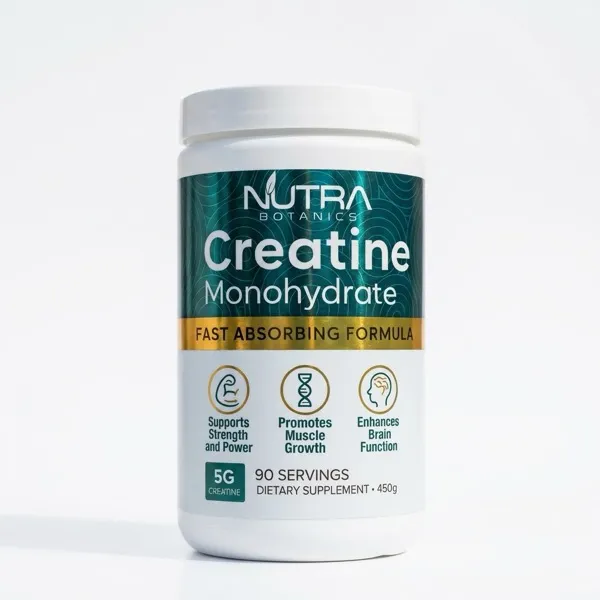
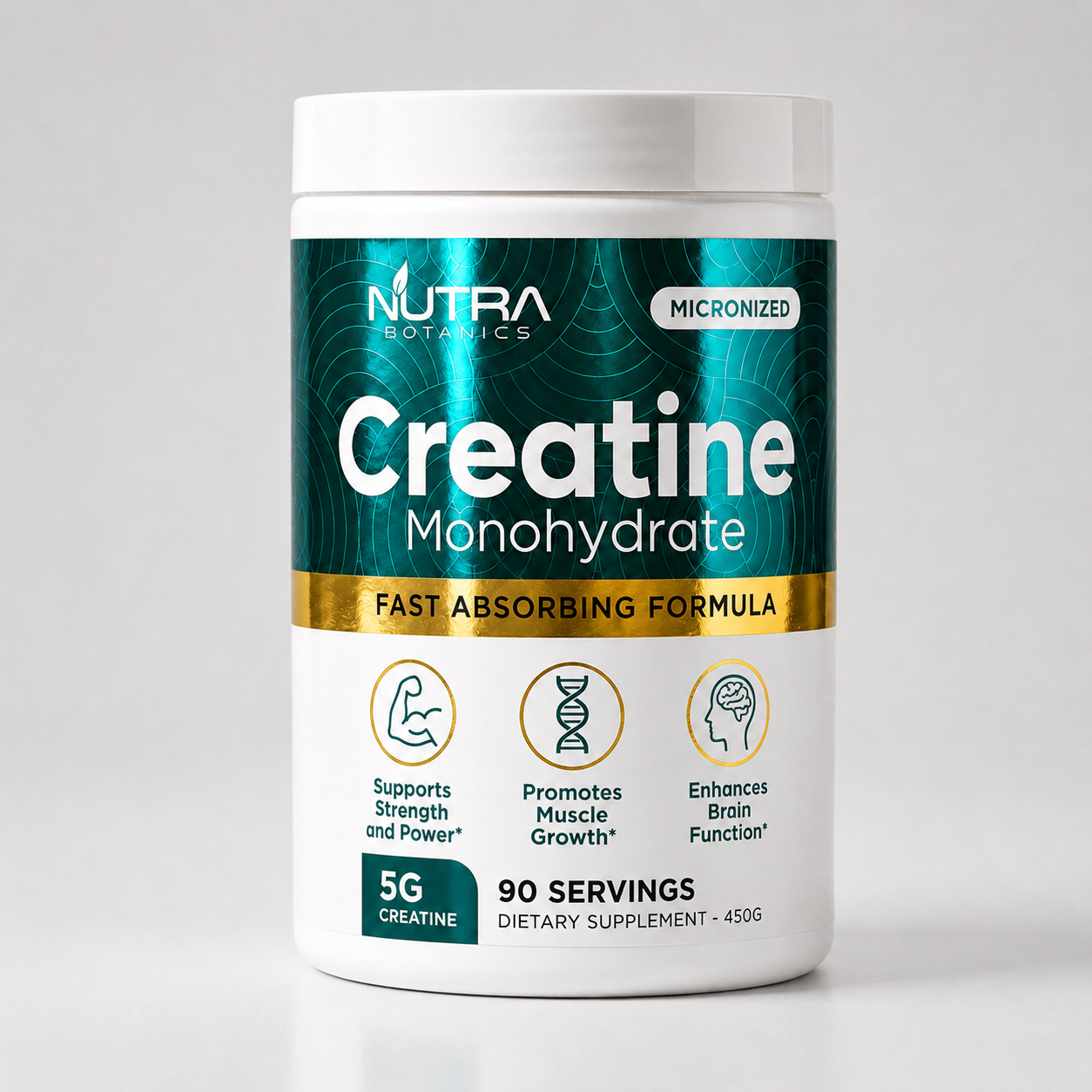
Creatine Monohydrate
Micronized · 60 servings
- 5g pure micronized monohydrate per serving
- Unflavored · mixes clean in any liquid
- GMP & NSF certified · PhD-supervised testing
- No fillers, stimulants, or artificial additives
$29.95Free shipping over $75
Shop Creatine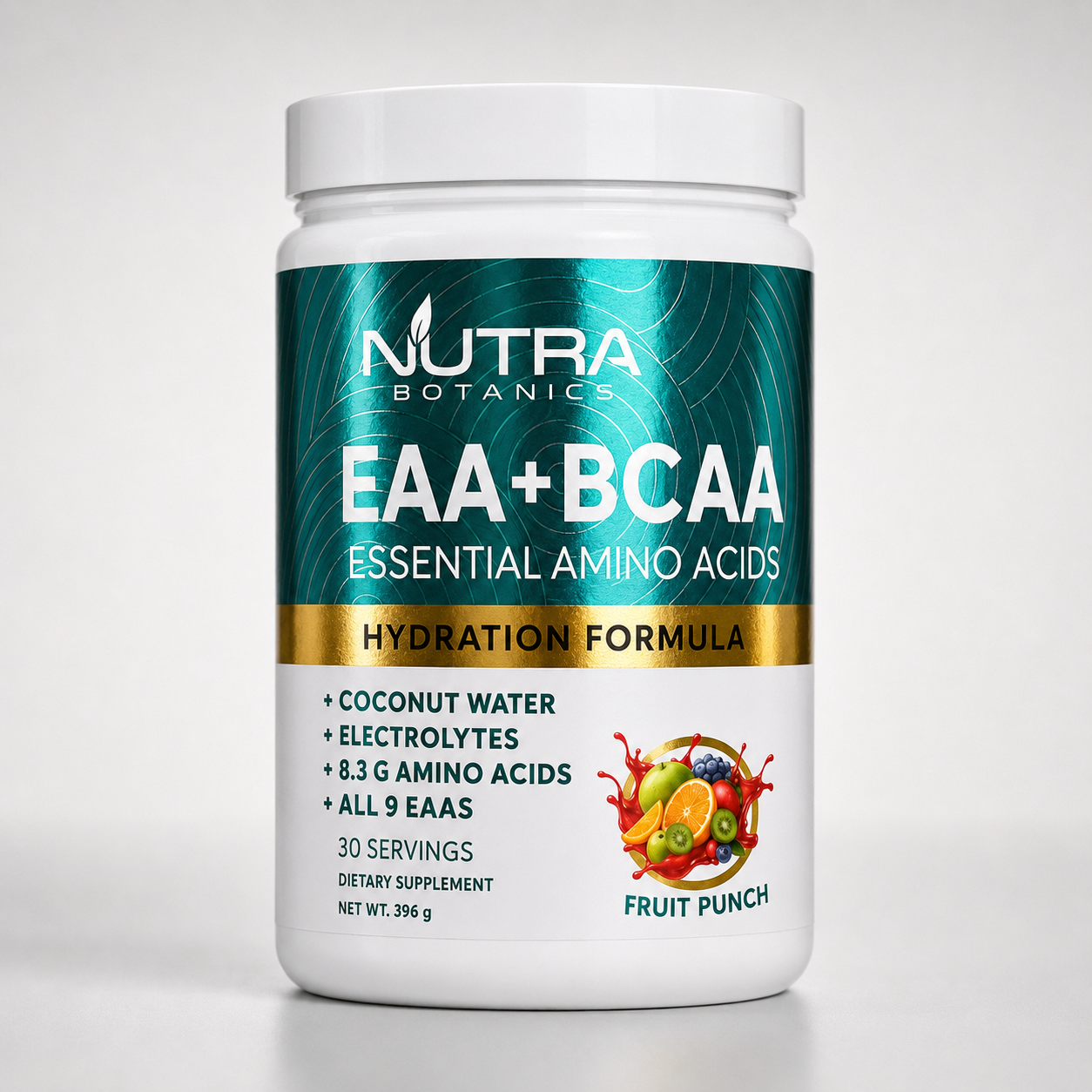
EAA Complex
Recovery · 30 servings
- All 9 essential amino acids for muscle repair
- Electrolytes for sustained hydration
- Zero sugar · light citrus flavor
- Pairs with creatine for optimal training support
$34.95Subscribe & save 20%
Shop EAA ComplexCreatine is the foundation, but rarely used alone. See our complete muscle-building stack for how creatine pairs with EAA, BCAA, and recovery support.